Great Migration in Tanzania: When and Where to Go
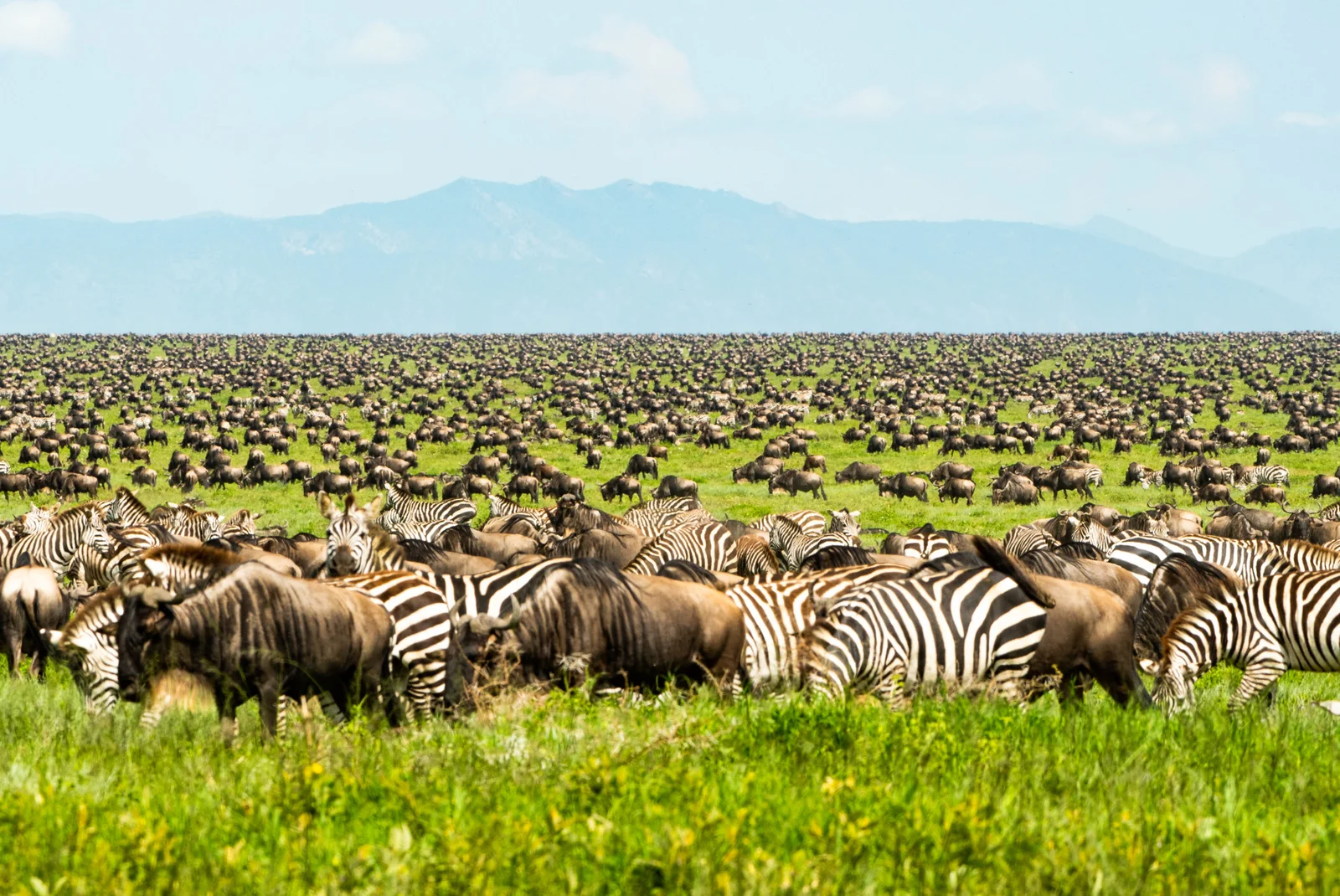
The Great Migration is one of nature's most spectacular wildlife events, involving over 1.5 million wildebeest, 200,000 zebras, and thousands of gazelles moving across the Serengeti ecosystem in search of fresh grazing and water. This continuous circular journey covers approximately 1,000 kilometers (620 miles) annually and involves dramatic river crossings, predator-prey interactions, and the miracle of new life during calving season. Understanding the migration's timing and patterns helps you choose the best time and location for your safari experience.
What Is the Great Migration?
The Great Migration is not a single event but a year-round cycle of movement driven by rainfall patterns and grass growth. The herds follow ancient routes through the Serengeti ecosystem, which includes Serengeti National Park, the Ngorongoro Conservation Area, and parts of Kenya's Maasai Mara. This migration is the largest overland wildlife movement remaining on Earth, with the animals covering vast distances in their perpetual search for food and water.
The migration is triggered by the rains, though the exact timing varies each year based on rainfall patterns. The wildebeest, zebras, and gazelles move in loosely defined groups, with the main herds following similar routes annually but with variations in timing and specific locations. This unpredictability is part of what makes witnessing the migration so compelling and why guarantees about specific dates or locations cannot be made.
The Annual Migration Cycle
January-March: Calving Season in the Southern Serengeti
During the first quarter of the year, the migration concentrates in the southern Serengeti and Ndutu area, where the short-grass plains provide nutrient-rich grazing for pregnant wildebeest. This is calving season, when approximately 8,000 wildebeest are born daily over a period of several weeks. The newborns can stand within minutes and run within hours, a necessary adaptation to survive in predator-rich environments.
The calving season creates dramatic predator-prey interactions as lions, cheetahs, hyenas, and leopards take advantage of vulnerable newborns. While these scenes can be intense, they represent natural ecological processes essential for the migration's continuation. The southern plains during this period offer incredible wildlife viewing opportunities, with thousands of animals spread across the green landscape.
April-May: The Western Movement
As the short rains end and the long rains begin, the herds start moving westward and northward. The migration spreads out across the central and western Serengeti, with different groups moving at different paces. This transitional period sees the herds crossing the Seronera region and heading toward the western corridor. The landscape greens up with the rains, providing fresh grazing along the migration routes.
During this period, the migration is more dispersed, making it challenging to locate the main herds. However, the western Serengeti offers excellent game viewing as the herds pass through, with opportunities to witness predator activity along the migration corridors. The Grumeti River becomes a focal point as the herds approach.
June-July: The Grumeti River Crossings
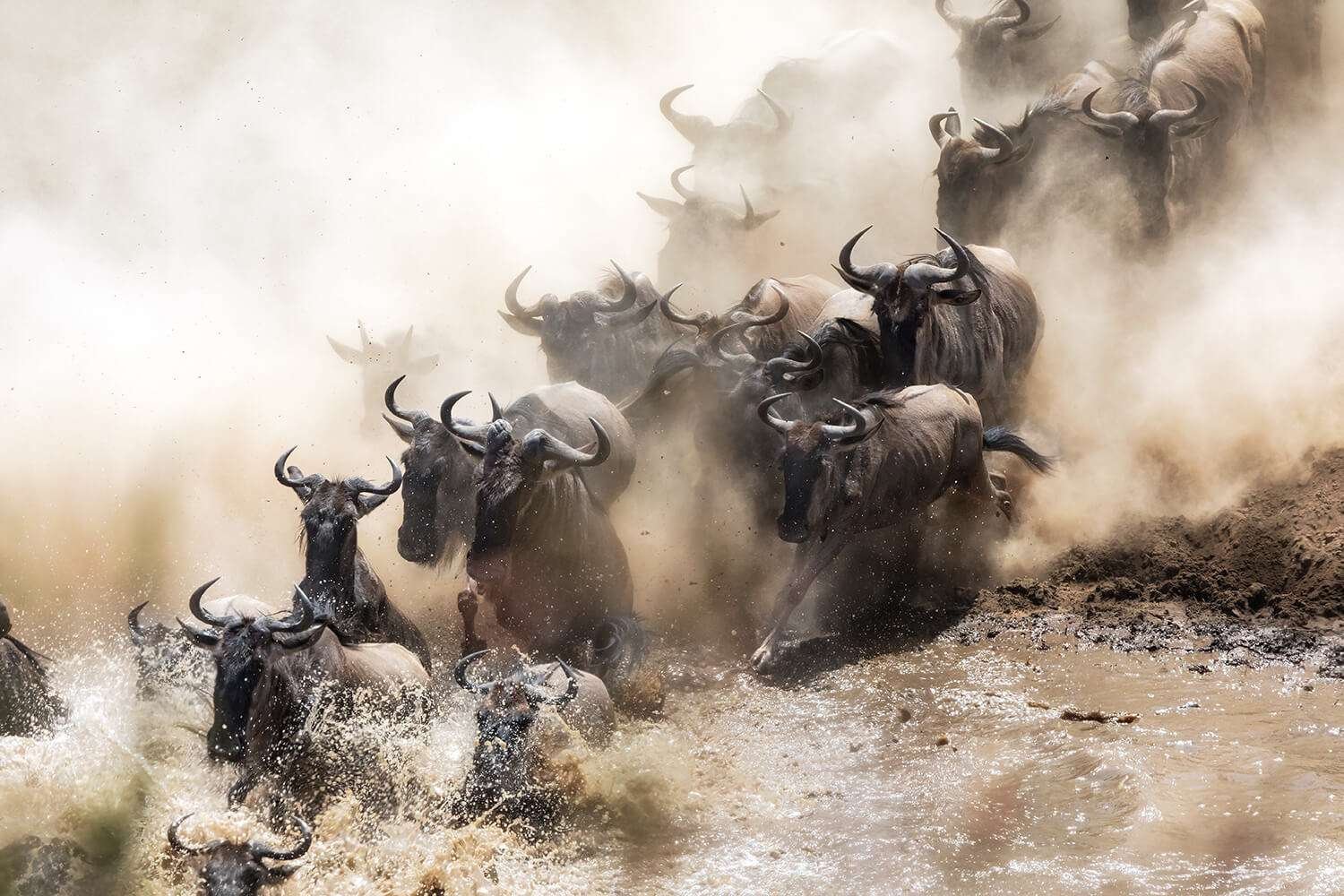
The Grumeti River crossings represent one of the migration's most dramatic events. As the herds attempt to cross the river, they face strong currents, crocodiles, and steep banks. The crossings can be chaotic, with thousands of animals bunching up at the river's edge before making their way across. Witnessing a major Grumeti crossing is a bucket-list experience for many safari travelers.
The timing of the Grumeti crossings varies significantly each year, depending on when the main herds arrive at the river and the conditions they encounter. Some years see spectacular crossings, while others have more subdued events. The western Serengeti from June to July provides the best opportunities to witness these crossings, though patience and flexibility are required.
August-October: The Mara River and Northern Serengeti
After crossing the Grumeti, the herds continue northward toward the northern Serengeti and the Mara River. The Mara River crossings, which occur from August to October, are perhaps the migration's most famous spectacle. The river forms the border between Tanzania and Kenya, and the crossings involve the herds navigating strong currents, steep banks, and large crocodile populations.
The northern Serengeti during this period offers incredible game viewing, with the main herds concentrated in the area between the Mara River and the park's northern boundary. This is also prime time for predator activity, as lions, leopards, and hyenas follow the migration. The landscape is dry and golden, providing excellent visibility and photography conditions.
November-December: The Return South
As the short rains begin in November, the herds start their return journey southward. The migration moves through the eastern Serengeti, with different groups taking various routes. By December, the main herds are concentrated in the southern Serengeti and Ndutu area again, preparing for the next calving season.
This transitional period offers good wildlife viewing as the herds move through the eastern Serengeti. The landscape greens up with the rains, providing fresh grazing and scenic backdrops. Predator activity remains high as the herds are more dispersed during their southward movement.
Understanding Seasonal Movement
The migration's movement follows a roughly clockwise pattern through the Serengeti ecosystem, driven by the search for water and fresh grazing. The southern short-grass plains provide nutrient-rich grass during the calving season, while the western and northern areas offer different forage types throughout the year. The migration is not a single mass movement but rather a continuous flow of different groups moving at different paces.
Several factors influence the migration's timing and routes each year. Rainfall patterns are the primary driver, with the herds following the rains to fresh grass growth. Other factors include grass quality, water availability, and predator pressure. These variables mean that while the general pattern remains consistent, the specific timing and locations vary annually.
Wildlife Behavior During Migration
The migration creates unique opportunities to observe wildlife behavior rarely seen elsewhere. During calving season, pregnant wildebeest choose open areas with good visibility to give birth, reducing the risk of predation. The newborns' ability to stand and run within hours is essential for survival in this predator-rich environment.
Predator behavior intensifies during the migration, with lions, cheetahs, hyenas, and leopards following the herds to take advantage of vulnerable prey. Cheetahs particularly target young or weak animals during the calving season. Lions often ambush animals at river crossings, where the herds are concentrated and vulnerable.
The river crossings demonstrate remarkable animal behavior, with the herds gathering courage to cross dangerous waters. The decision to cross appears to be collective, with the first animals testing the water before the main herd follows. This behavior represents an ancient survival strategy that has allowed the migration to persist for thousands of years.
Photography During the Great Migration
The migration offers incredible photography opportunities, from wide-angle landscapes showing thousands of animals to intimate predator-prey interactions. During calving season, the southern plains provide opportunities to photograph newborns taking their first steps. The river crossings offer dramatic action shots, though these moments require patience and cannot be guaranteed.
The dry season (June-October) provides excellent lighting conditions with golden grasses and clear skies. The green season (November-May) offers lush backdrops and softer light. Each season has photographic advantages, and experienced photographers often plan trips around specific migration events they hope to capture.
Vehicle positioning during river crossings is crucial for good photography. Experienced guides know the best vantage points and can position vehicles for optimal viewing while maintaining safe distances from the action. The most dramatic crossings often involve multiple vehicles, so patience and flexibility are essential.
Planning Your Migration Safari
Successfully witnessing migration highlights requires careful planning and realistic expectations. The migration is a natural event that cannot be controlled or guaranteed. While general timing and location patterns exist, the exact dates and specific locations vary each year based on environmental conditions.
Choosing the right time of year depends on which migration event interests you most. For calving season, visit January-March in the southern Serengeti. For Grumeti crossings, plan June-July in the western Serengeti. For Mara River crossings, aim for August-October in the northern Serengeti. For the return south, visit November-December in the eastern Serengeti.
Flexibility is key when planning a migration safari. Weather patterns can shift the timing of key events by weeks, so building buffer days into your itinerary increases your chances of witnessing highlights. Working with experienced operators who monitor migration movements helps position you in the best areas during your visit.
What Cannot Be Guaranteed
While safari operators do their best to position travelers for migration highlights, several aspects cannot be guaranteed. The exact timing of river crossings depends on rainfall patterns and animal behavior that cannot be predicted with certainty. The specific location of the main herds at any given time varies based on environmental conditions. Even during peak migration periods, some crossings may be subdued while others are spectacular.
Weather conditions can also affect wildlife viewing, with heavy rains sometimes limiting visibility or making roads impassable. Predator activity, while heightened during migration, cannot be guaranteed at specific times or locations. These uncertainties are part of what makes safari travel compelling and why experienced travelers return multiple times to witness different aspects of this remarkable natural phenomenon.
Combining Migration Viewing with Other Parks
The Serengeti is the primary destination for migration viewing, but combining it with other parks adds diversity to your safari experience. The Ngorongoro Crater offers year-round wildlife viewing in a dramatic geological setting. Tarangire National Park provides excellent elephant concentrations during the dry season. Lake Manyara offers unique tree-climbing lions and bird watching.
A combined itinerary allows you to experience the migration's vastness alongside the concentrated wildlife of the crater and the unique habitats of other parks. This variety provides a comprehensive understanding of Tanzania's diverse ecosystems and wildlife. The Kili Altitude Adventures team can help design itineraries that combine migration viewing with other highlights based on your interests and schedule.
The Great Migration's Ecological Significance
The Great Migration is more than a tourist attraction; it is a vital ecological process that sustains the Serengeti ecosystem. The movement of millions of animals across the landscape fertilizes grasslands, disperses seeds, and supports predator populations. The calving season provides a pulse of food for predators, helping maintain balanced predator-prey relationships.
The migration also supports local communities through tourism revenue and cultural connections. The Maasai people have coexisted with the migration for centuries, developing cultural practices and knowledge systems that reflect this relationship. Understanding the migration's ecological and cultural significance adds depth to your safari experience.
Climate Change and the Migration
Climate change poses potential threats to the Great Migration's future. Changing rainfall patterns could affect the timing and routes of the migration, potentially disrupting the ecological processes that have sustained it for millennia. Conservation efforts aim to protect migration corridors and ensure the herds can continue their ancient journey.
Visiting the migration responsibly helps support conservation through tourism revenue. Choosing operators committed to sustainable practices and respecting park regulations contributes to the long-term protection of this natural wonder. Your safari experience becomes part of a larger effort to preserve the migration for future generations.
Frequently Asked Questions
What exactly is the Great Migration?
The Great Migration is the annual movement of over 1.5 million wildebeest, 200,000 zebras, and thousands of gazelles across the Serengeti ecosystem in search of fresh grazing and water. This continuous circular journey covers approximately 1,000 kilometers annually and involves dramatic events like calving season, predator-prey interactions, and river crossings. The migration is driven by rainfall patterns and grass growth, with the herds following ancient routes through Tanzania and Kenya.
When is the best time to see the Great Migration?
The migration happens year-round, but different periods offer different experiences. January-March is calving season in the southern Serengeti. June-July brings Grumeti River crossings in the western Serengeti. August-October offers Mara River crossings in the northern Serengeti. November-December sees the return south through the eastern Serengeti. The "best" time depends on what you want to experience, though all periods offer unique wildlife viewing opportunities.
Can I guarantee seeing a river crossing?
No, river crossings cannot be guaranteed. The timing and intensity of crossings depend on rainfall patterns, animal behavior, and environmental conditions that vary annually. While experienced guides monitor migration movements and position travelers for the best opportunities, nature ultimately determines when and where crossings occur. This unpredictability is part of what makes witnessing a crossing so special when it happens.
How far in advance should I book a migration safari?
Booking timelines depend on your travel dates and preferences. For peak migration periods (July-October), book 6-12 months in advance to secure preferred lodges and guide availability. Green season travel can often be booked 3-6 months ahead. Last-minute bookings are sometimes possible but limit your choices. Early booking ensures better rates, more accommodation options, and better positioning for migration viewing.
Is the migration the same every year?
The general pattern of the migration remains consistent, with the herds following roughly the same routes annually. However, the specific timing, locations, and intensity of events vary each year based on rainfall patterns, grass growth, and other environmental factors. Some years see spectacular river crossings while others are more subdued. This natural variation is part of what makes each migration safari unique.
Do I need to be in the Serengeti to see the migration?
The majority of the migration occurs within Serengeti National Park, making it the primary destination for migration viewing. The Ngorongoro Conservation Area borders the Serengeti, and some migration herds pass through the northern part of the conservation area. Kenya's Maasai Mara hosts part of the migration from August to October. However, the Serengeti offers the most comprehensive migration experience throughout the year.
What wildlife besides wildebeest participate in the migration?
While wildebeest are the most numerous participants, zebras and various gazelle species also migrate with the herds. The migration also supports large predator populations including lions, cheetahs, hyenas, leopards, and crocodiles. Birds of prey follow the migration to feed on carcasses and vulnerable young animals. The migration creates a dynamic ecosystem where numerous species interact in complex predator-prey relationships.
How does the migration affect safari pricing?
Safari pricing follows seasonal demand patterns linked to migration events. Peak migration periods (July-October) command the highest rates due to high demand and excellent wildlife viewing. Green season months (November-May) typically offer lower rates and special promotions. The specific pricing at any lodge or camp depends on its location relative to current migration activity. Booking well in advance for peak migration periods often secures better rates than last-minute bookings. Contact us for current pricing and availability.