How Many Days Do You Need for a Tanzania Safari?
Planning a Tanzania safari is one of the most exciting travel decisions you will ever make. The country offers some of the most spectacular wildlife experiences on the planet, from the vast plains of the Serengeti to the otherworldly Ngorongoro Crater. But one question comes up again and again: how many days do you actually need?
The answer depends on your budget, your schedule, the wildlife you want to see, and the experience you are looking for. A short safari can still deliver incredible moments, but a longer trip gives you depth, variety, and a much better chance of witnessing dramatic wildlife events. This guide breaks down exactly what each safari length offers so you can make the right choice.
Two-Day Safari: A Taste of the Wild
A two-day safari is the shortest option available and works best for travelers with very limited time or those combining a safari with other activities like a Kilimanjaro climb or a Zanzibar beach extension. The most common two-day itinerary covers Tarangire National Park and the Ngorongoro Crater, both accessible from Arusha.
On day one, you drive to Tarangire, spend the afternoon on a game drive, and overnight at a camp or lodge near the park. On day two, you descend into the Ngorongoro Crater for a half-day game drive before returning to Arusha. The driving distances are manageable, and you get two very different ecosystems in a short window.
The main limitation is time. Two days means you are rushing. You will not have time to explore deeper areas of any park, and you will spend a significant portion of your trip in transit. Still, for travelers on a tight schedule, a two-day safari delivers a genuine taste of Tanzanian wildlife.
Three-Day Safari: The Sweet Spot for Short Trips
A three-day safari is the minimum I recommend for most first-time visitors. It gives you enough time to visit two parks properly without feeling rushed. The most popular three-day itinerary includes Tarangire and Ngorongoro, with overnight stays that allow for full afternoon and morning game drives.
Day one typically involves driving from Arusha to Tarangire, stopping at Maasai villages along the way. You spend the afternoon on a game drive and overnight at a lodge inside or near the park. Day two takes you to the Ngorongoro Conservation Area, with a game drive on the crater floor. Day three includes an early morning game drive before the long drive back to Arusha.
Three days gives you enough time to see elephants, lions, buffalo, and potentially leopards and rhinos. You also get the chance to experience different landscapes, from Tarangire's baobab-studded plains to Ngorongoro's dramatic crater walls. This length works well for travelers who want a meaningful safari experience without committing to a full week.
Four-Day Safari: Adding the Serengeti
A four-day safari opens up the possibility of adding the Serengeti to your itinerary, which is a game-changer. The Serengeti is Tanzania's largest and most famous park, home to the Great Migration and the largest concentration of predators in Africa. Adding even one night in the Serengeti dramatically elevates your safari experience.
A typical four-day itinerary might include Tarangire, Ngorongoro, and two nights in the Serengeti. On day one, you visit Tarangire. Day two takes you to Ngorongoro for a crater game drive. Days three and four are spent in the Serengeti, with full-day game drives that allow you to explore different areas of this enormous park.
The Serengeti alone is roughly the size of Northern Ireland, so two nights is the minimum to appreciate its scale and diversity. You will likely visit the Seronera area, known for its resident big cat population, or if you travel during the migration season, you may witness river crossings that are among the most dramatic wildlife spectacles on Earth.
Five-Day Safari: The Balanced Experience
A five-day safari is where most experienced safari travelers land. It gives you enough time to visit three parks thoroughly, with proper game drives at each location. You are not rushing from one park to the next, and you have time to sit and observe animal behavior rather than constantly moving.
A five-day itinerary might include Tarangire, Lake Manyara, Ngorongoro, and two nights in the Serengeti. Alternatively, you could spend three nights in the Serengeti and one each in Ngorongoro and Tarangire. The extra day compared to a four-day safari makes a noticeable difference in terms of relaxation and the quality of your wildlife encounters.
Five days also allows for more flexibility. If the weather is bad on one day, you have buffer time. If you find a pride of lions and want to spend three hours watching them, you can do that without worrying about missing your next reservation. This length works well for families, photographers, and anyone who wants a thorough introduction to Tanzania's wildlife.
Six-Day Safari: The Comprehensive Trip
A six-day safari gives you the freedom to explore Tanzania's northern circuit at a comfortable pace. You can visit Tarangire, Lake Manyara, Ngorongoro, and spend three nights in the Serengeti, covering different regions of the park. This length is ideal for wildlife enthusiasts who want to maximize their chances of seeing specific species or behaviors.
With six days, you can also include lesser-visited areas like the Western Corridor of the Serengeti, where you might encounter fewer vehicles and more intimate wildlife encounters. You can also spend more time in Ngorongoro, perhaps including a walking safari on the crater rim or a visit to a Maasai boma.
Six days is also a good length for photographers. The extra time means you can position yourself for golden hour shots, wait for the right light, and experiment with different compositions without feeling pressed for time. Many professional wildlife photographers consider six days the ideal length for a northern Tanzania safari.
Seven-Day Safari: The Full Northern Circuit
A seven-day safari allows you to cover the entire northern circuit comfortably. You can include Tarangire, Lake Manyara, Ngorongoro, the Serengeti, and even a visit to Lake Natron or Ol Doinyo Lengai. This is the length that gives you the most complete picture of Tanzania's wildlife and landscapes.
With seven days, you can spend three or four nights in the Serengeti, covering multiple areas of the park. You can witness the sunrise over the plains, spend an entire day following a cheetah coalition, or watch a herd of elephants at a waterhole as the light changes throughout the afternoon. The Serengeti reveals its true character when you have time to slow down and observe.
Seven days is also the best length for travelers who want to combine a safari with cultural experiences. You can spend a morning visiting a Hadzabe or Datoga community near Lake Eyasi, learning about their traditional lifestyles before heading back into the bush. This combination of wildlife and culture makes for a rich and memorable trip.
Eight-Day Safari and Longer: The Deep Dive
Eight or more days is for the serious wildlife enthusiast or the first-time visitor who wants to do Tanzania properly. At this length, you can cover the northern circuit, the western Serengeti, and potentially even fly to the southern parks like Ruaha or Selous (now Nyerere National Park). The variety of ecosystems and wildlife you encounter on a longer safari is unmatched.
An eight-day itinerary might include three nights in the Serengeti, two in Ngorongoro, one in Tarangire, and one in Lake Manyara, with a day for cultural activities in Arusha. Longer safaris also allow for more specialized experiences, like walking safaris, night drives, or hot air balloon rides over the Serengeti.
The main consideration with longer safaris is cost. More days means more park fees, more accommodation, and more fuel. But the value in terms of experience is significant. Many travelers who do a shorter safari find themselves wishing they had more time, while those who do a longer trip rarely regret the investment.
How Travel Time Affects Your Safari Experience
One factor that many first-time visitors underestimate is travel time between parks. Tanzania is a large country, and the distances between major parks are significant. The drive from Arusha to the Serengeti takes approximately eight hours, while the drive from Arusha to Tarangire takes about two hours.
This means that on a shorter safari, you spend a higher proportion of your time in transit rather than on game drives. On a two-day safari, you might spend 40% of your time driving between locations. On a seven-day safari, that figure drops to around 20%, giving you much more time in the parks where the wildlife actually is.
Internal flights can help reduce travel time, particularly for reaching the Serengeti. Several airlines operate daily flights between Arusha and various airstrips in the Serengeti, cutting the journey from eight hours to about one hour. However, flights add to the cost and are subject to weather delays, so they are not always the best option for every traveler.
Example Itineraries by Duration
Three-Day Itinerary: Tarangire + Ngorongoro
Day 1: Depart Arusha after breakfast. Drive to Tarangire National Park (approximately 2 hours). Afternoon game drive focusing on elephants, baobab trees, and birdlife. Overnight at a lodge inside or near the park.
Day 2: Morning game drive in Tarangire, then drive to the Ngorongoro Conservation Area (approximately 3 hours). Afternoon descent into the crater for a game drive. Overnight at a lodge on the crater rim.
Day 3: Early morning game drive on the crater floor, watching for the Big Five. Late morning ascent and drive back to Arusha (approximately 3 hours), arriving by late afternoon.
Five-Day Itinerary: Tarangire + Serengeti + Ngorongoro
Day 1: Depart Arusha and drive to Tarangire National Park. Afternoon game drive exploring the Tarangire River area, known for its enormous elephant herds. Overnight at a lodge in Tarangire.
Day 2: Early morning game drive in Tarangire, then drive to the Serengeti via the Ngorongoro Conservation Area. The drive takes approximately six hours but passes through stunning scenery. Overnight at a camp in the Serengeti.
Day 3: Full day game drive in the Serengeti. Explore the Seronera Valley, known for its resident lion prides, leopard population, and cheetah sightings. Overnight at the same camp.
Day 4: Morning game drive in the Serengeti, then drive to the Ngorongoro Conservation Area. Afternoon at leisure or optional visit to a Maasai boma. Overnight at a lodge on the crater rim.
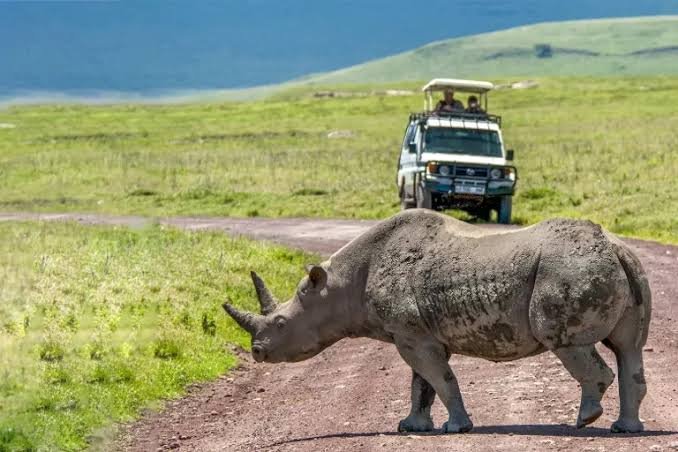
Day 5: Early morning descent into the Ngorongoro Crater for a half-day game drive. Look for black rhinos, lions, and flamingos on the lake. Ascend and drive back to Arusha by late afternoon.
Seven-Day Itinerary: The Complete Northern Circuit
Day 1: Arusha to Tarangire National Park. Afternoon game drive. Overnight in Tarangire.
Day 2: Morning game drive in Tarangire, then drive to Lake Manyara National Park. Afternoon game drive along the lake. Overnight near Lake Manyara.
Day 3: Morning at Lake Manyara, then drive to the Ngorongoro Conservation Area. Afternoon descent into the crater. Overnight on the crater rim.
Day 4: Early morning game drive in the crater, then drive to the Serengeti. Afternoon game drive in the Serengeti. Overnight in the Serengeti.
Day 5: Full day game drive in the Serengeti. Visit different areas of the park depending on wildlife movement. Overnight in the Serengeti.
Day 6: Morning game drive in the Serengeti, then drive back towards Ngorongoro. Optional walking safari or Maasai village visit. Overnight on the crater rim.
Day 7: Final morning game drive in the crater, then drive back to Arusha. Depart or extend your stay.
Safari Duration Comparison Table
| Duration | Parks Visited | Nights in Serengeti | Game Drive Time | Travel Time | Best For |
|---|---|---|---|---|---|
| 2 Days | 2 | 0 | Low | High proportion | Short trips, budget travelers |
| 3 Days | 2 | 0 | Moderate | Moderate | First-time visitors, time-limited travelers |
| 4 Days | 3 | 1-2 | Good | Balanced | Travelers wanting Serengeti experience |
| 5 Days | 3 | 2 | Very Good | Low proportion | Families, photographers, balanced budget |
| 6 Days | 3-4 | 3 | Excellent | Low proportion | Wildlife enthusiasts, serious photographers |
| 7 Days | 4-5 | 3-4 | Excellent | Lowest proportion | Comprehensive experience, cultural travelers |
| 8+ Days | 5+ | 4+ | Maximum | Minimal proportion | Deep exploration, repeat visitors |
Budget Considerations by Duration
Safari costs increase roughly linearly with duration, but the value per day often improves on longer trips. Here is a general breakdown of what to expect per person for a mid-range safari, including accommodation, park fees, meals, and transportation:
- 2-Day Safari: $600–$900 per person
- 3-Day Safari: $900–$1,400 per person
- 5-Day Safari: $1,500–$2,500 per person
- 7-Day Safari: $2,200–$3,800 per person
- 10-Day Safari: $3,500–$6,000+ per person
These prices vary significantly based on the level of accommodation, the number of travelers sharing a vehicle, and whether you choose luxury lodges or tented camps. Budget travelers can reduce costs by joining group safaris and choosing camping options, while luxury travelers can expect to pay significantly more for exclusive lodges and private guides.
Choosing the Right Duration for Your Trip
The right safari length depends on several personal factors. If this is your first time in Africa and you have the budget, I recommend at least five days. The extra time allows you to settle into the rhythm of safari life, where early mornings and slow afternoons are part of the experience. Rushing through a two-day safari can feel exhausting rather than relaxing.
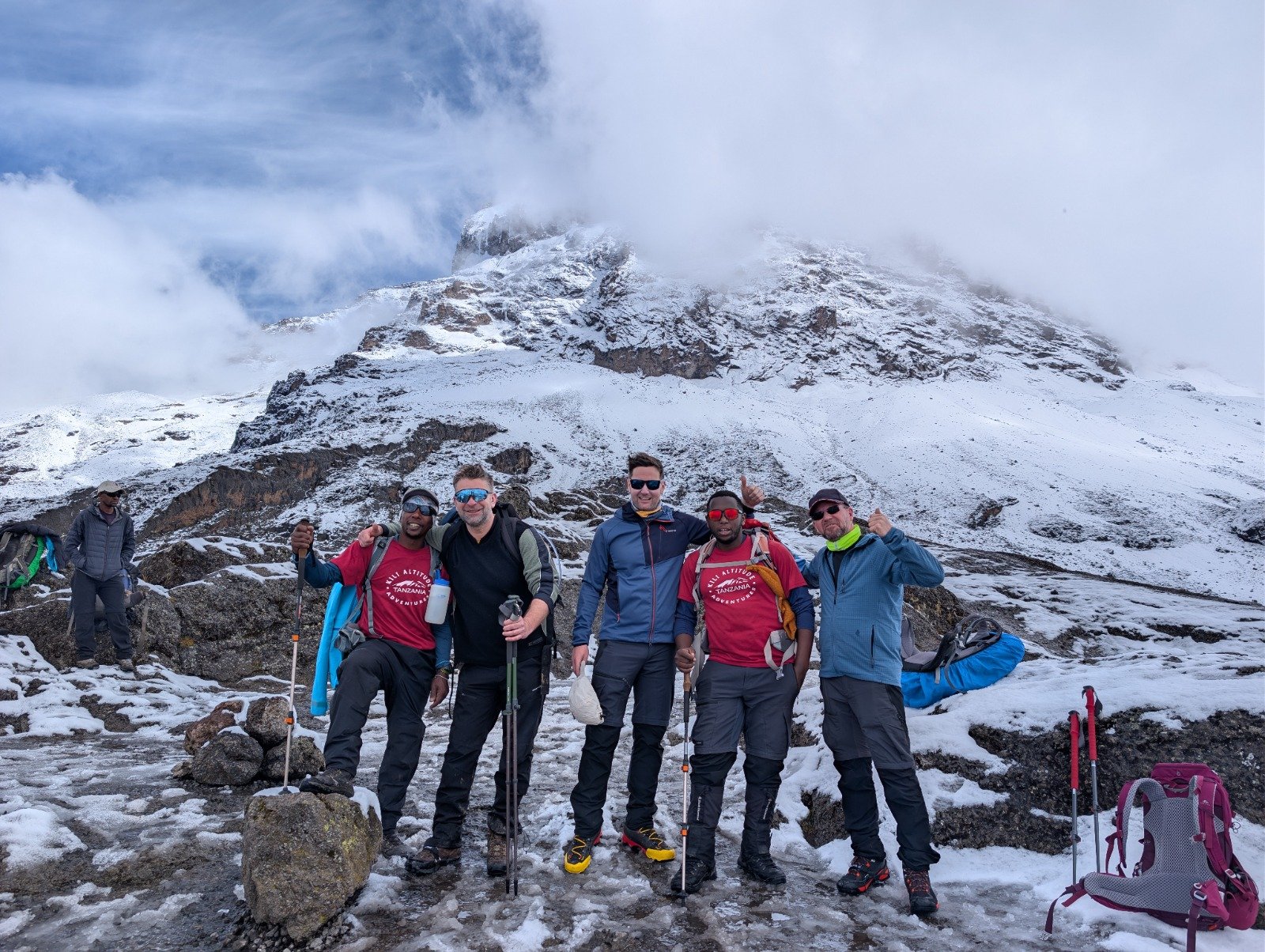
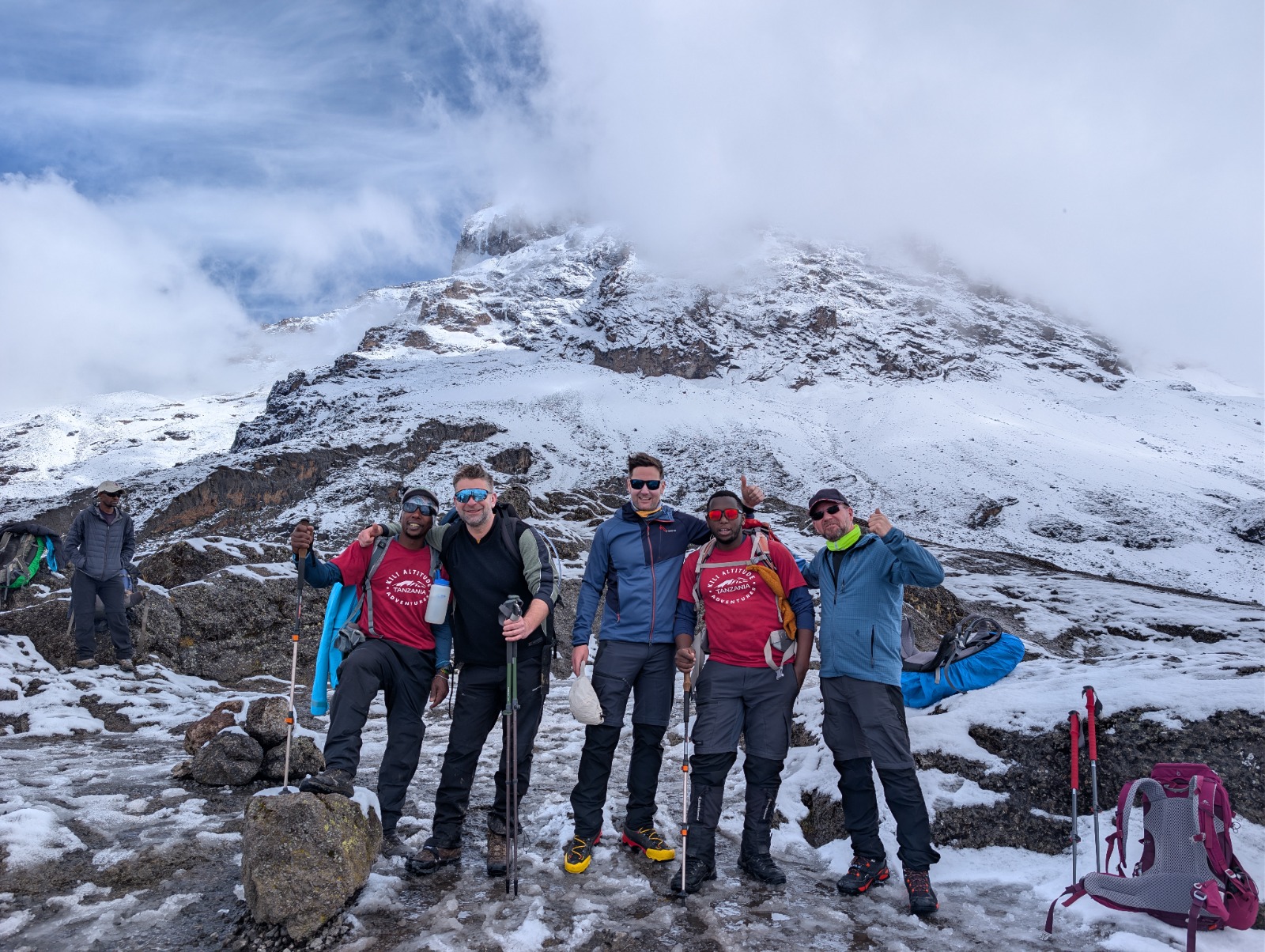
If you are combining your safari with other activities like a Kilimanjaro climb, a Zanzibar beach stay, or a cultural tour of the Usambara Mountains, a three or four-day safari fits well into a larger itinerary. The key is to be realistic about what you can fit into your overall trip without feeling overcommitted.
For wildlife photographers, I strongly recommend at least six days. Photography requires patience, and the best shots often come when you are willing to wait for the right moment. A shorter safari puts you under pressure to capture everything quickly, which rarely produces the best results.
Families with children should also consider a longer safari. Children adapt to the safari routine at different speeds, and having extra days means you can take rest days if needed. A five or six-day safari gives families the flexibility to adjust their schedule based on how the children are coping with the early mornings and long drives.
The Verdict: How Many Days Do You Actually Need?
For most travelers, three to five days is the ideal range for a first safari in Tanzania. Three days gives you a solid introduction to the country's wildlife and landscapes. Five days gives you depth and variety without breaking the bank. Anything shorter is a compromise, and anything longer is a luxury that is worth the investment if your budget and schedule allow.
Whatever duration you choose, the most important thing is to work with an experienced operator who knows the parks well. A well-planned three-day safari can be more rewarding than a poorly planned seven-day trip. At Kili Altitude Adventures, we help travelers choose the right safari length based on their interests, budget, and available time.
Remember that the best safari is the one that works for you. Do not feel pressured to do a longer trip than you can afford or enjoy. Even a short safari in Tanzania can be a life-changing experience. The key is to start planning, set realistic expectations, and prepare for an adventure you will never forget.
Frequently Asked Questions
Can I do a Tanzania safari in just two days?
Yes, a two-day safari is possible, typically visiting Tarangire National Park and the Ngorongoro Crater. While you will not have time for the Serengeti, you will still see elephants, lions, and stunning landscapes. Two-day safaris work best for travelers who are short on time or combining safari with other activities like a Kilimanjaro climb or Zanzibar extension.
What is the minimum number of days recommended for a first safari?
Three days is the minimum I recommend for first-time visitors. This gives you enough time to visit two different parks properly and experience the variety of Tanzania's wildlife and landscapes. A two-day safari can feel rushed, especially for first-timers who are still adjusting to the early mornings and long game drives.
How many days do I need to see the Great Migration?
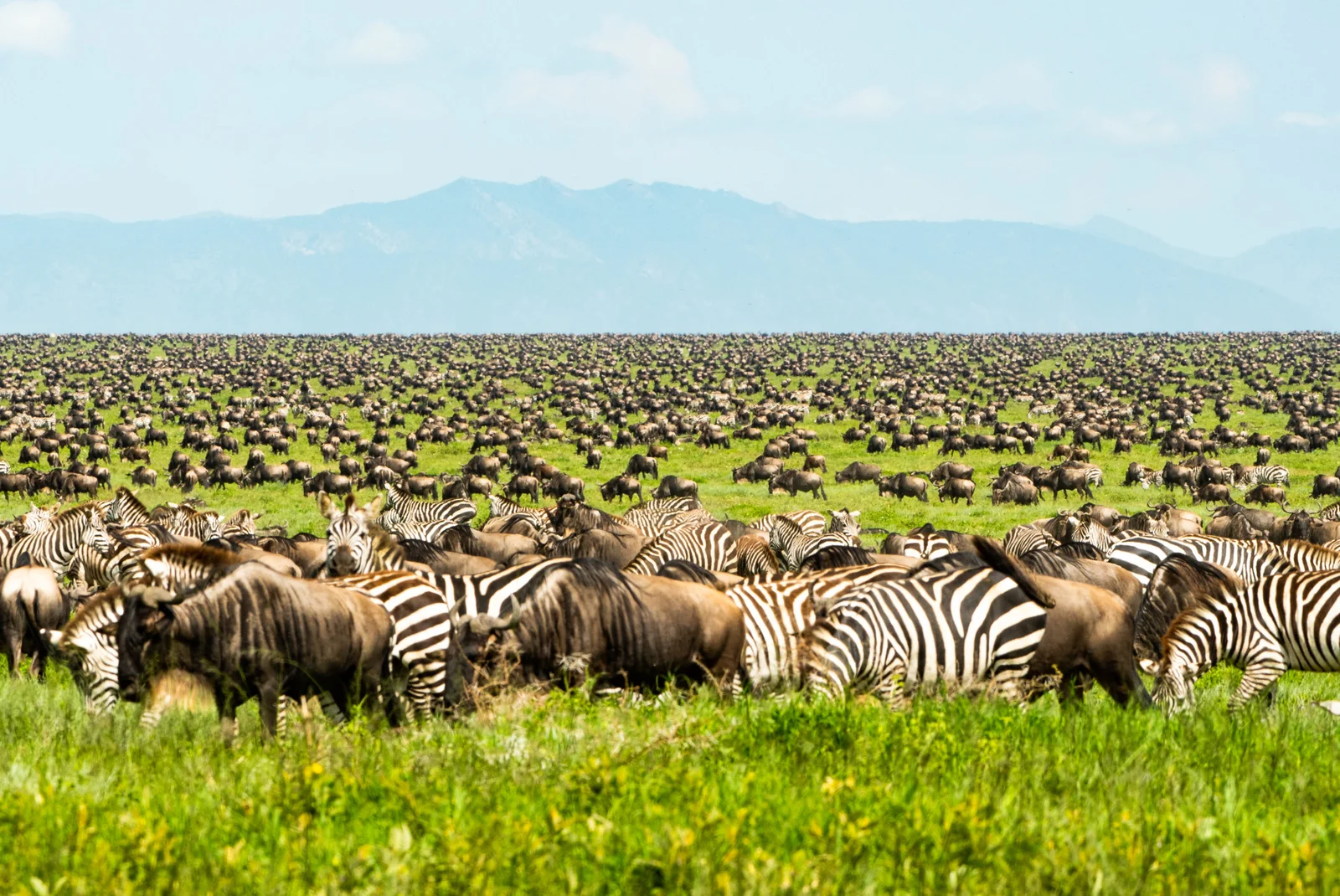
To see the Great Migration, you need at least three to four days in the Serengeti, depending on the time of year. During the calving season (January to March), herds are concentrated in the southern Serengeti. During the river crossings (July to October), herds move through the northern and western Serengeti. The migration is unpredictable, so extra time increases your chances of witnessing dramatic events.
Is it worth adding internal flights to save travel time?
Internal flights can reduce travel time from Arusha to the Serengeti from eight hours to about one hour. This is worth considering for shorter safaris where you want to maximize time in the parks. However, flights add to the cost and are subject to weather delays. For safaris of five days or longer, driving through the Ngorongoro Conservation Area is often more cost-effective and offers beautiful scenery along the way.
How does safari duration affect the total cost?
Safari costs increase roughly linearly with duration. A two-day safari might cost $600–$900 per person, while a seven-day safari can cost $2,200–$3,800 per person. The main cost drivers are accommodation, park fees (which are charged per day), fuel, and guide fees. Longer safaris often offer better value per day, as fixed costs like vehicle rental and guide fees are spread across more days.
Can I customize my safari itinerary to include specific wildlife?
Yes, experienced operators can customize your itinerary based on your wildlife interests. If you are particularly interested in cheetahs, for example, we might spend more time in the Serengeti's central plains. If you want to see rhinos, we might focus on the Ngorongoro Crater. Let us know your priorities when booking, and we will design an itinerary that maximizes your chances of seeing your target species.
What happens if I have bad weather during my safari?
Weather can affect visibility and road conditions, but game drives usually continue in light rain. Heavy rain can make some roads impassable, particularly in the Serengeti during the wet season. Having extra days in your itinerary provides a buffer against weather disruptions. A five-day safari has more flexibility to adjust the schedule compared to a three-day trip where every day counts.
Should I spend more days in fewer parks or visit many parks briefly?
For most travelers, spending more days in fewer parks is the better approach. The Serengeti alone is enormous, and two to three nights there will reveal more wildlife than rushing through four parks in the same timeframe. Depth is generally more rewarding than breadth on safari, especially for wildlife photography and observation. A good rule of thumb is to spend at least two nights in each park you visit.