Tanzania Safari Parks Explained: Serengeti, Ngorongoro, Tarangire, Lake Manyara and Arusha
Tanzania is home to some of Africa's most iconic safari destinations, each offering unique landscapes, wildlife, and experiences. Understanding the distinct characteristics of each park helps you choose the right combination for your travel interests and schedule. This guide covers five key destinations in northern Tanzania: the Serengeti, Ngorongoro Crater, Tarangire, Lake Manyara, and Arusha National Park. Rather than ranking these parks, we will explore what makes each one special and who might enjoy it most.
Serengeti National Park
Location and Landscape: The Serengeti ecosystem covers approximately 14,750 square kilometers (5,700 square miles) of northern Tanzania, stretching from the southern short-grass plains to the northern woodlands near the Kenya border. The landscape varies dramatically across this vast area, from the open savanna plains of the south to the granite kopjes and riverine forests of the central region, and the wooded hills of the west and north. This diversity supports an incredible range of wildlife and creates ever-changing scenery as you explore different areas.
Wildlife: The Serengeti supports one of the densest and most diverse wildlife populations in Africa. Over 70 large mammal species inhabit the park, including the Big Five (lion, leopard, elephant, buffalo, and rhinoceros). The park is particularly famous for its predator population, with some of the largest lion prides in Africa. Cheetahs thrive on the open plains, while leopards are frequently spotted near riverine forests and kopjes. The Serengeti also hosts over 500 bird species, making it a paradise for bird watchers.
Main Attractions: The Great Migration is the Serengeti's most famous phenomenon, with over 1.5 million wildebeest, 200,000 zebras, and thousands of gazelles moving across the landscape throughout the year. Witnessing the river crossings at the Grumeti or Mara Rivers is a bucket-list experience for many travelers. The central Seronera area offers excellent year-round game viewing with high concentrations of predators. The southern plains provide front-row seats to calving season from January to March.
Game-Drive Experience: Serengeti game drives offer variety and flexibility that few destinations can match. You can spend full days exploring different areas, from the southern plains to the central Seronera region to the western corridor. The larger area allows for longer drives with fewer vehicles, more diverse landscapes, and opportunities to witness natural behaviors. Morning and afternoon game drives are standard, with some lodges offering full-day drives with picnic lunches.
Best Travel Periods: The Serengeti offers excellent wildlife viewing year-round, but different areas are optimal at different times. The southern plains are best from January to March for calving season. The central Seronera region provides consistent predator viewing throughout the year. The western corridor is excellent from June to October for Grumeti River crossings. The northern areas shine from July to October for Mara River crossings. Visit our Serengeti page for seasonal details.
Suggested Duration: A minimum of 3 days in the Serengeti allows you to appreciate its diversity and increase your chances of witnessing migration highlights. Four to five days provides a more comprehensive experience with time to explore different areas. Shorter visits can be rewarding but limit your exposure to the park's full scope.
Type of Traveler: The Serengeti appeals to travelers seeking vast wilderness, diverse landscapes, and the possibility of witnessing dramatic wildlife events. It suits photographers, wildlife enthusiasts, and those who appreciate open spaces. The longer game drives and remote areas work well for travelers with patience and an interest in natural behaviors. Families with older children or teenagers often enjoy the Serengeti's variety and scale.
Ngorongoro Crater
Location and Landscape: The Ngorongoro Crater is a collapsed volcanic caldera measuring roughly 19 kilometers (12 miles) across and 600 meters (2,000 feet) deep, located within the Ngorongoro Conservation Area. This enclosed basin creates a unique self-contained ecosystem where wildlife has been isolated for thousands of years. The crater floor covers about 260 square kilometers (100 square miles), with grasslands, lakes, and forests supporting a remarkable density of animals. The crater walls provide dramatic backdrops and frame wildlife viewing opportunities.
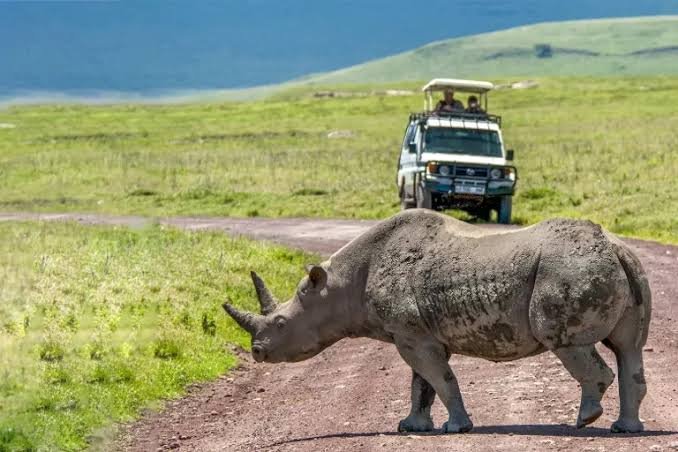
Wildlife: The crater boasts one of the highest concentrations of wildlife in Africa, with approximately 25,000 large animals living within the crater walls. Lions are particularly abundant, with several prides resident on the crater floor. Elephants, buffalo, hippos, and numerous antelope species are regularly seen. The crater is also home to one of the last viable populations of black rhinoceros in Tanzania. Over 500 bird species have been recorded, including flamingos that gather on the soda lakes.
Main Attractions: The crater's concentrated wildlife allows for exceptional game viewing in a compact area. You can see a wide variety of species during a single game drive, including opportunities to spot all Big Five animals. The soda lakes attract flocks of flamingos, creating spectacular pink shores. The crater floor offers open grasslands ideal for predator viewing, while the forested rim provides habitat for leopards and elephants.
Game-Drive Experience: Game drives in the Ngorongoro Crater follow a specific route along the crater floor, with vehicles often converging at popular wildlife sightings. The crater's enclosed nature means you will spend most of your time on the flat crater floor, with stunning views of the surrounding walls. A typical game drive lasts 4-5 hours, as the crater's compact size means you can see most of its highlights in a single outing. The descent and ascent of the crater rim are experiences in themselves, with breathtaking views at every turn.
Best Travel Periods: The crater offers consistent game viewing year-round due to its enclosed ecosystem. The dry season (June-October) provides easier spotting as vegetation thins and animals concentrate at water sources. The green season (November-May) brings lush scenery, migratory birds, and fewer visitors. Early morning game drives can be misty during the green season, adding atmospheric conditions for photography. Check our Ngorongoro guide for seasonal details.
Suggested Duration: Most visitors spend 1-2 days experiencing the crater. A typical itinerary includes one night at a crater rim lodge with two game drives (afternoon arrival drive and next morning descent) or two nights for a more relaxed pace with additional time for photography and exploration.
Type of Traveler: The Ngorongoro Crater suits travelers who appreciate concentrated wildlife viewing in a dramatic geological setting. It works well for families with children due to shorter game drives and frequent animal sightings. Photographers appreciate the crater walls as backdrops and the opportunities for close-range wildlife portraits. The crater is also ideal for travelers with limited time who want a comprehensive safari experience in a compact area.
Tarangire National Park
Location and Landscape: Tarangire National Park covers approximately 2,850 square kilometers (1,100 square kilometers) in northern Tanzania, located southeast of Arusha. The park is characterized by the Tarangire River, which flows through its center, and vast baobab-studded landscapes. During the dry season, the river becomes the primary water source for wildlife in the region, drawing large concentrations of animals to its banks. The park also features swamps, granite ridges, and acacia woodlands.
Wildlife: Tarangire is famous for its elephant herds, which can number in the hundreds during the dry season. The park also hosts large populations of buffalo, zebra, wildebeest, and various antelope species including eland, oryx, and gerenuk. Lions are frequently seen, and the park provides good opportunities for leopard sightings in the baobab forests. Tarangire is particularly renowned for bird watching, with over 550 species recorded, including endemic species found nowhere else.
Main Attractions: The massive elephant herds congregating around the Tarangire River during the dry season are the park's signature experience. Seeing hundreds of elephants drinking, bathing, and moving along the river creates unforgettable scenes. The park's baobab forests provide unique photographic backdrops, with these ancient trees towering above the landscape. The Tarangire ecosystem extends beyond the park boundaries, with wildlife corridors connecting to surrounding areas.
Game-Drive Experience: Tarangire game drives follow the river and explore the surrounding areas, including the Silale and Lemiyon swamps. The park's compact size compared to the Serengeti allows for varied experiences in a single day. Morning and afternoon drives offer different lighting conditions and animal activity patterns. The park's varied habitats provide diverse viewing opportunities, from open grasslands to dense baobab forests.
Best Travel Periods: The dry season (June-October) is最佳 for Tarangire, as elephant herds concentrate around the Tarangire River. During these months, you can witness spectacular gatherings of elephants and other wildlife. The green season (November-May) sees elephants disperse across a wider area, but the park remains productive with resident wildlife and migratory birds. The park is often combined with nearby Lake Manyara and the Ngorongoro Conservation Area. Visit our Tarangire page for more information.
Suggested Duration: One to two days in Tarangire provides a solid experience. A single full day allows for comprehensive exploration of the park's main areas, while two days offer more time to explore different habitats and increase your chances of rare sightings. The park is often included as part of a multi-park itinerary combining nearby destinations.
Type of Traveler: Tarangire appeals to travelers interested in elephants, bird watching, and unique baobab landscapes. It works well for photographers seeking distinctive backdrops and wildlife concentrations. The park's proximity to Arusha makes it suitable for shorter trips or as an addition to other northern circuit destinations. Travelers who appreciate large mammal herds and dramatic landscapes find Tarangire particularly rewarding.
Lake Manyara National Park
Location and Landscape: Lake Manyara National Park covers approximately 330 square kilometers (127 square miles) in northern Tanzania, nestled between the Great Rift Valley escarpment and Lake Manyara itself. The park features diverse habitats within its compact area, including groundwater forest, acacia woodland, grassy plains, and the alkaline lake shore. The groundwater forest, fed by springs from the escarpment, creates a lush, shaded environment distinct from typical savanna parks.
Wildlife: Lake Manyara is particularly famous for its tree-climbing lions, which rest in the branches of acacia trees during the heat of the day. While sightings cannot be guaranteed, this unique behavior makes Manyara a worthwhile destination. The park also hosts large elephant herds, buffalo, giraffes, hippos, and numerous antelope species. The lake shore attracts flocks of flamingos and other waterbirds, creating spectacular pink shores during peak seasons.
Main Attractions: The groundwater forest provides a unique safari experience, with dappled sunlight filtering through the canopy and creating atmospheric conditions. Tree-climbing lions are the park's most famous residents, though they can be elusive. The lake shore offers bird watching opportunities with thousands of flamingos and pelicans. The park's compact size allows for diverse experiences in a single day, from forest to grasslands to lake shore.
Game-Drive Experience: Lake Manyara game drives explore the park's varied habitats, from the shaded forest to the open lakeshore. The park's small size means you can experience different environments during a single drive. Morning and afternoon drives offer different lighting and activity patterns. The forest sections provide cool relief during hot days, while the open areas offer good visibility for wildlife viewing.
Best Travel Periods: Lake Manyara is excellent year-round, with different seasons offering distinct experiences. The dry season (June-October) concentrates wildlife near water sources and provides good visibility. The green season (November-May) brings lush vegetation, migratory birds, and fewer visitors. Flamingo numbers fluctuate based on water levels and food availability. The park's proximity to Arusha makes it accessible throughout the year.
Suggested Duration: Half a day to one full day in Lake Manyara provides a solid experience. The park's compact size means you can see most highlights in a single visit. Many travelers include Lake Manyara as part of a multi-park itinerary combining it with Tarangire, the Ngorongoro Conservation Area, and the Serengeti.
Type of Traveler: Lake Manyara suits travelers interested in unique wildlife behavior (tree-climbing lions), bird watching, and diverse habitats in a compact area. It works well for families with children due to shorter drives and varied scenery. The park's proximity to Arusha makes it ideal for travelers with limited time or those combining safari with other activities. Photographers appreciate the atmospheric forest conditions and lake shore birding opportunities.
Arusha National Park
Location and Landscape: Arusha National Park covers approximately 552 square kilometers (213 square miles) in northern Tanzania, located just 30 minutes from Arusha city. Despite its small size, the park encompasses diverse habitats including the Momella Lakes, Ngurdoto Crater, Mount Meru's slopes, and montane forests. The park offers views of Mount Kilimanjaro on clear days and provides a lush, green contrast to the drier savanna parks.
Wildlife: Arusha National Park is home to a variety of wildlife including giraffes, buffalo, zebras, hippos, and numerous antelope species. The park is particularly known for its black and white colobus monkeys, which can be seen in the forest canopy. While the park does not host large predator populations, it provides excellent opportunities for close-range wildlife viewing in beautiful settings. Over 400 bird species have been recorded, making it a productive birding destination.
Main Attractions: The Momella Lakes offer scenic beauty and bird watching, with flamingos and other waterbirds gathering on the alkaline waters. The Ngurdoto Crater, a smaller volcanic caldera, provides dramatic views and forest hiking opportunities. Mount Meru, Africa's fifth-highest peak, offers climbing opportunities for experienced hikers. The park's proximity to Arusha makes it easily accessible for day trips or as an addition to longer itineraries.
Game-Drive Experience: Arusha National Park offers a different experience from larger savanna parks. Game drives explore the lakeshores, forest areas, and grasslands, with giraffes often being the highlight. Walking safaris are permitted in the park, providing opportunities to explore the forest and learn about smaller organisms often overlooked during vehicle-based safaris. The park's compact size allows for diverse experiences in a short time.
Best Travel Periods: Arusha National Park is accessible year-round, with different seasons offering distinct experiences. The dry season (June-October) provides good visibility and easier trail conditions. The green season (November-May) brings lush vegetation, migratory birds, and flowing streams. The park's proximity to Arusha means it can be visited regardless of conditions in more remote parks.
Suggested Duration: Half a day to one full day in Arusha National Park provides a solid experience. The park's small size means you can explore its highlights in a single visit. Many travelers include it as an addition to their safari itinerary, either before heading to more remote parks or on their final day before departure.
Type of Traveler: Arusha National Park suits travelers interested in walking safaris, bird watching, and scenic beauty without the crowds of larger parks. It works well for families with children who may not have the patience for longer game drives. The park's proximity to Arusha makes it ideal for travelers with limited time or those seeking a gentle introduction to Tanzania's wildlife. Hikers appreciate the Mount Meru climbing opportunities.
Combining Parks in Your Itinerary
Most Tanzania safari itineraries combine multiple parks to provide a comprehensive wildlife experience. The northern circuit typically includes the Serengeti, Ngorongoro, Tarangire, and Lake Manyara, with Arusha serving as the gateway. The order and duration of visits depend on your interests, schedule, and budget.
A classic 7-day itinerary might include Arusha National Park on arrival, Tarangire and Lake Manyara on days 2-3, the Ngorongoro Crater on day 4, and the Serengeti on days 5-7. This progression moves from smaller parks to the vast Serengeti, building anticipation and variety throughout the trip.
Shorter itineraries can focus on specific parks based on your priorities. A 3-day trip might include the Ngorongoro Crater and Serengeti for concentrated wildlife viewing. A 4-day trip could add Tarangire for elephant experiences. The key is matching your itinerary with your interests while allowing sufficient time at each destination.
Park Fees and Regulations
Each park has its own fee structure and regulations that affect planning and budgeting. Park fees are typically per person per day, with additional vehicle fees. Some parks have specific rules about game drive hours, off-road driving, and walking activities. Understanding these regulations helps you plan realistic itineraries and budget accurately.
Most parks require guides for walking activities, and some restrict certain areas to guided walks only. Photography regulations vary, with some parks requiring permits for commercial photography. Your safari operator will handle most permit requirements, but understanding basic regulations helps you plan activities and set expectations.
Frequently Asked Questions
Which park has the best wildlife viewing?
Each park offers different strengths in wildlife viewing. The Ngorongoro Crater provides the highest density of animals in a compact area, making it excellent for comprehensive game drives. The Serengeti offers the most diverse wildlife experience with the Great Migration and vast landscapes. Tarangire excels for elephant concentrations and bird watching. Lake Manyara is famous for tree-climbing lions. Arusha National Park provides intimate encounters in scenic settings. The "best" park depends on your specific interests and what you hope to experience.
How many parks should I visit on my safari?
The number of parks depends on your trip length, interests, and budget. A 3-day safari might focus on 2 parks, while a 7-day trip could include 4-5 parks. Most northern circuit itineraries include the Serengeti, Ngorongoro, Tarangire, and Lake Manyara, with Arusha as the gateway. Adding more parks increases variety but reduces time at each destination. Your safari operator can help design an itinerary that balances variety with depth based on your priorities.
Can I visit all five parks in one trip?
Visiting all five parks is possible but requires sufficient time, typically 10-14 days. A comprehensive itinerary might include Arusha National Park on arrival, then Tarangire, Lake Manyara, Ngorongoro Crater, and Serengeti in sequence. This progression provides diverse experiences but involves significant travel between parks. Shorter trips should prioritize parks based on your interests rather than trying to see everything. Contact Kili Altitude Adventures for customized itineraries.
Which park is best for families with children?
All parks can work for families, but some are more child-friendly than others. The Ngorongoro Crater offers shorter drives with frequent animal sightings, keeping younger travelers engaged. Lake Manyara provides diverse scenery and tree-climbing lions that fascinate children. Arusha National Park allows walking safaris suitable for older children. The Serengeti's longer drives work better for teenagers with more patience. Consider your children's ages and attention spans when choosing parks.
What is the difference between a national park and a conservation area in Tanzania?
National parks like the Serengeti, Tarangire, and Lake Manyara are strictly protected areas focused on wildlife conservation. Conservation areas like the Ngorongoro Conservation Area allow some human habitation and cultural activities alongside wildlife protection. The Ngorongoro Conservation Area includes Maasai communities living alongside wildlife, creating unique cultural and wildlife experiences. Both offer excellent safari opportunities but with different management approaches and regulations.
Do I need a guide for safari in Tanzania?
Yes, licensed guides are required for game drives in all Tanzanian national parks and conservation areas. Guides provide expertise in wildlife identification, behavior, and park navigation. They know where to find animals, understand animal behavior, and can interpret what you observe. Professional guides also ensure safety and compliance with park regulations. Most safari packages include experienced guides as part of the service.
Which park is closest to Arusha?
Arusha National Park is closest, located just 30 minutes from Arusha city. Lake Manyara is approximately 2 hours away, Tarangire about 2-3 hours, Ngorongoro Crater 3-4 hours, and the Serengeti 5-6 hours by road. Flying to the Serengeti reduces travel time significantly. The proximity of Arusha National Park makes it ideal for day trips or as an addition to longer itineraries without requiring overnight travel.