
We Know Tanzania Because Tanzania Is Home
We Know Tanzania Because Tanzania Is Home
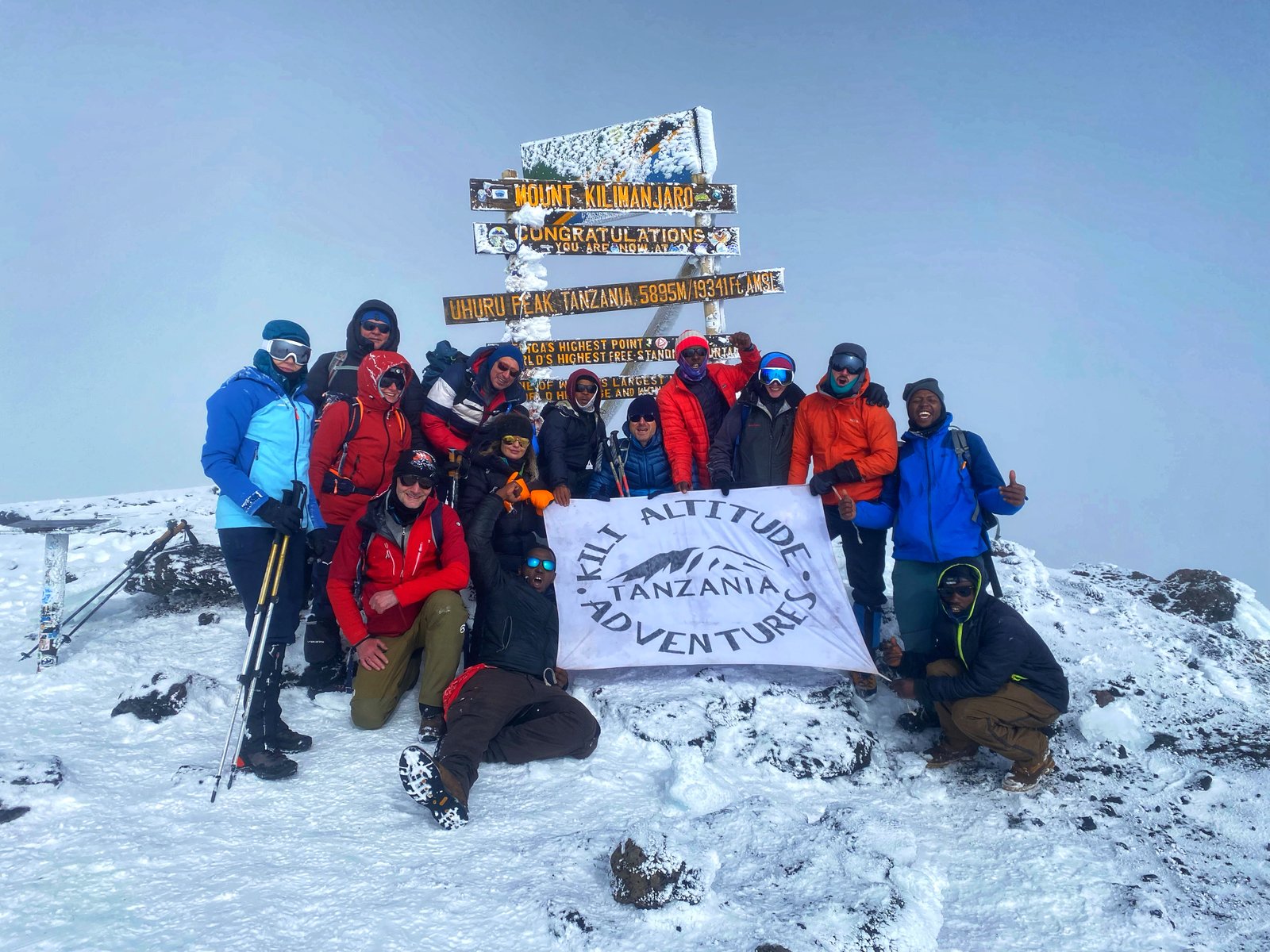
The longest and most scenic route with the highest success rate, circling the entire mountain.
The Northern Circuit is the newest and longest route to the summit of Mount Kilimanjaro, offering an unparalleled 9-day journey that circles the entire mountain from the north. Starting from the western side at Londorossi Gate, the route traverses the Shira Plateau before heading north along the remote and rarely visited northern slopes, providing trekkers with the most comprehensive Kilimanjaro experience available.
What sets the Northern Circuit apart is its exceptional acclimatization profile. The extended 9-day itinerary allows your body to gradually adapt to the increasing altitude through the longest traverse on the mountain, significantly improving your chances of reaching the summit. With a 98% success rate — the highest among all Kilimanjaro routes — this route is perfect for climbers who want the best possible chance of reaching Uhuru Peak.
The northern slopes offer a true wilderness experience with dramatic landscapes, sparse vegetation and panoramic views across the Kenyan plains. You'll traverse remote alpine desert terrain, pass through unique ecological zones, and experience parts of Kilimanjaro that most trekkers never see. The 9-day itinerary strikes the perfect balance between acclimatization and adventure, making it ideal for both first-time high-altitude trekkers and experienced mountaineers seeking the ultimate Kilimanjaro experience.
Arrive at Kilimanjaro International Airport, where our representative will meet you and transfer you to your hotel in Moshi. After check-in, relax and recover from your journey.
Depending on your arrival time, your mountain guide will conduct a pre-trek briefing, review the trekking program, check your equipment, and answer any final questions before the climb.
After breakfast, drive from Moshi to Londorossi Gate on the western side of Mount Kilimanjaro. Complete the necessary park registration and meet the mountain crew before driving to the trailhead.
The trek begins through the beautiful montane rainforest. The trail is relatively gentle, allowing you to gradually settle into the rhythm of trekking. The forest is rich in vegetation, with giant trees, ferns, mosses and occasional wildlife. Depending on conditions, you may hear or see several bird species and possibly colobus or blue monkeys. After several hours of hiking, arrive at Mti Mkubwa Camp, also known as Big Tree Camp.
After breakfast, leave the rainforest behind as the trail climbs toward the Shira Plateau. The vegetation gradually changes from dense forest to open moorland, with giant heather, lobelias and other high-altitude plants appearing along the trail.
As you gain elevation, the views become increasingly expansive. On clear days, you may see Mount Meru and the plains stretching west of Kilimanjaro. Continue toward Shira 1 Camp, located on the western side of the spectacular Shira Plateau. This is an important transition day as your body begins adapting to the increasing altitude.
Today is a relatively gentle trekking day across the magnificent Shira Plateau. The route gradually crosses the open plateau, surrounded by volcanic formations, giant groundsels and wide views toward Kibo Peak.
Because the elevation gain is moderate, the day provides valuable acclimatization before the more demanding northern traverse. Depending on weather and group condition, your guide may arrange a short acclimatization hike in the afternoon before returning to camp. Spend the evening at Shira 2 Camp preparing for the higher elevations ahead.
Today marks the beginning of the true Northern Circuit experience. Leave the Shira Plateau and climb gradually toward the dramatic Lava Tower area, reaching approximately 4,600 m. This is an important acclimatization day following the principle of "climb high, sleep lower."
After gaining significant elevation, continue toward the remote northern side of Kilimanjaro and descend slightly toward Moir Hut. Moir Hut is a remote and less frequently visited camp situated in a valley beneath the northern slopes of Kibo. The quiet surroundings provide an authentic wilderness experience far from the busier southern routes. Your guides will monitor your condition carefully throughout the day.
After breakfast, continue eastward around the northern slopes of Kilimanjaro. The trail passes through a remote and dramatic landscape with sparse vegetation, volcanic rock and sweeping views across the northern plains of Tanzania toward Kenya.
Unlike the more crowded southern routes, this section of the Northern Circuit is peaceful and relatively isolated. The trail involves a series of gradual ascents and descents as you traverse the northern slopes. Continue toward Buffalo Camp, where you will enjoy expansive views of Mawenzi Peak and the surrounding wilderness.
Today continues along the remote northern circuit. The trail crosses a series of valleys and ridges beneath the northern face of Kilimanjaro. The environment is increasingly stark, with sparse vegetation and exposed volcanic terrain.
As you continue eastward, the summit massif gradually becomes more prominent. The trekking pace remains controlled and steady, allowing your body to continue adapting to the high altitude. After several hours, arrive at Third Cave Camp, where you will rest and prepare for the final approach toward the summit zone.
After breakfast, begin the final major ascent of the Northern Circuit. The trail gradually climbs toward the broad Saddle, the high-altitude desert separating the volcanic cones of Mawenzi and Kibo. The landscape becomes increasingly barren and dramatic as you approach the summit massif.
Continue across the upper slopes toward School Hut, located at approximately 4,700-4,800 m. School Hut is the final overnight camp before the summit attempt. Once you arrive, the remainder of the afternoon is dedicated to rest, hydration and preparation. Have an early dinner and organize your summit equipment before getting as much sleep as possible. Your guide will conduct a final health check and summit briefing.
Summit Day — Start Around Midnight. Wake up around midnight for the most demanding part of your Kilimanjaro adventure. After a light snack and hot drink, begin the ascent in darkness using headlamps. The trail climbs steadily over loose volcanic scree toward the crater rim. The pace will be slow and controlled, with regular breaks determined by your guide.
Continue toward Gilman's Point at approximately 5,681 m, located on the crater rim. After reaching the crater rim, continue along the spectacular summit trail toward Stella Point and then across the crater rim toward Uhuru Peak. At 5,895 m, Uhuru Peak is the highest point in Africa. Take time to celebrate your achievement, take photographs and enjoy the extraordinary views when weather conditions permit.
After the summit, begin the long descent. Descend through the alpine desert toward the southern side of the mountain and continue toward Mweka Camp. This is an exceptionally long day, combining the summit ascent with a major descent, so your guide will carefully monitor the group throughout the journey.
After breakfast, begin the final descent through the lush montane rainforest. The environment changes dramatically as you lose altitude, with thicker vegetation, warmer temperatures and increasing oxygen levels.
Continue downhill to Mweka Gate, where you will complete the official park exit procedures. After signing out, you will receive your Kilimanjaro summit certificate and say farewell to your mountain crew. A private vehicle will meet you at the gate and transfer you back to Moshi for a well-earned shower, rest and celebration.
After breakfast, enjoy your final morning in Tanzania before your scheduled transfer to Kilimanjaro International Airport. Depending on your travel plans, you may also extend your journey with a Tanzania safari or Zanzibar beach holiday.
The best time to climb Kilimanjaro via the Northern Circuit is during the dry seasons: January to mid-March and June to October. These months offer the clearest skies and most stable weather conditions. January and February are particularly popular as they tend to be warmer. June through October provides excellent visibility and is ideal for photography. You can climb year-round, but the rainy seasons (April-May and November) may make the trek more challenging with muddy trails.
The Northern Circuit is rated as moderate difficulty. While no technical climbing skills are required, the trek demands good physical fitness and mental determination. The 9-day itinerary provides the best acclimatization profile of all Kilimanjaro routes, which significantly improves your chances of reaching the summit. Daily hiking ranges from 3-7 hours, with the summit day being the most challenging at 12-16 hours. We recommend training for at least 2-3 months before your climb, focusing on cardio, leg strength, and hiking with a loaded backpack.
The 9-day Northern Circuit has an impressive 98% summit success rate, the highest among all Kilimanjaro routes. This high success rate is attributed to the route's exceptional acclimatization profile — the longest itinerary available. The extended duration allows your body to gradually adjust to the altitude through the remote northern traverse, reducing the risk of altitude sickness. The "climb high, sleep low" principle combined with the gradual northern approach is particularly effective for acclimatization.
Essential items include: waterproof hiking boots (well broken-in), layered clothing (base layers, fleece, down jacket), waterproof jacket and pants, warm sleeping bag (rated to -10°C), trekking poles, headlamp with extra batteries, sunscreen and sunglasses, wide-brimmed hat and warm beanie, water bottles or hydration system, and personal first aid kit. Since the Northern Circuit is a 9-day trek, we recommend bringing extra base layers and socks. We provide tents, sleeping mats, dining equipment, and all meals. A detailed packing list will be sent to you after booking confirmation.
Altitude sickness can affect anyone regardless of fitness level, but the 9-day Northern Circuit is designed to minimize this risk. The gradual ascent along the northern slopes and the longest acclimatization profile of any Kilimanjaro route give your body the best possible time to adapt. Our experienced guides monitor your health daily, checking oxygen levels and symptoms. We carry oxygen cylinders and have emergency evacuation protocols. To further reduce risk, we recommend arriving in Tanzania a day early to rest, staying well-hydrated, and following your guide's advice to walk slowly ("pole pole" in Swahili).
We did the 9-day Northern Circuit and it was absolutely incredible. The guides were professional, knowledgeable, and so supportive. They made sure we were safe and comfortable throughout the journey. The northern traverse was remote and beautiful — we barely saw other groups. Summit day was tough but worth every step. The whole team at Kili Altitude went above and beyond!
From the booking process to the summit and back, everything was perfectly organized. The food was surprisingly good for a mountain trek, and the equipment provided was top quality. Our lead guide was amazing - he knew exactly how to pace us for success. 100% recommend!
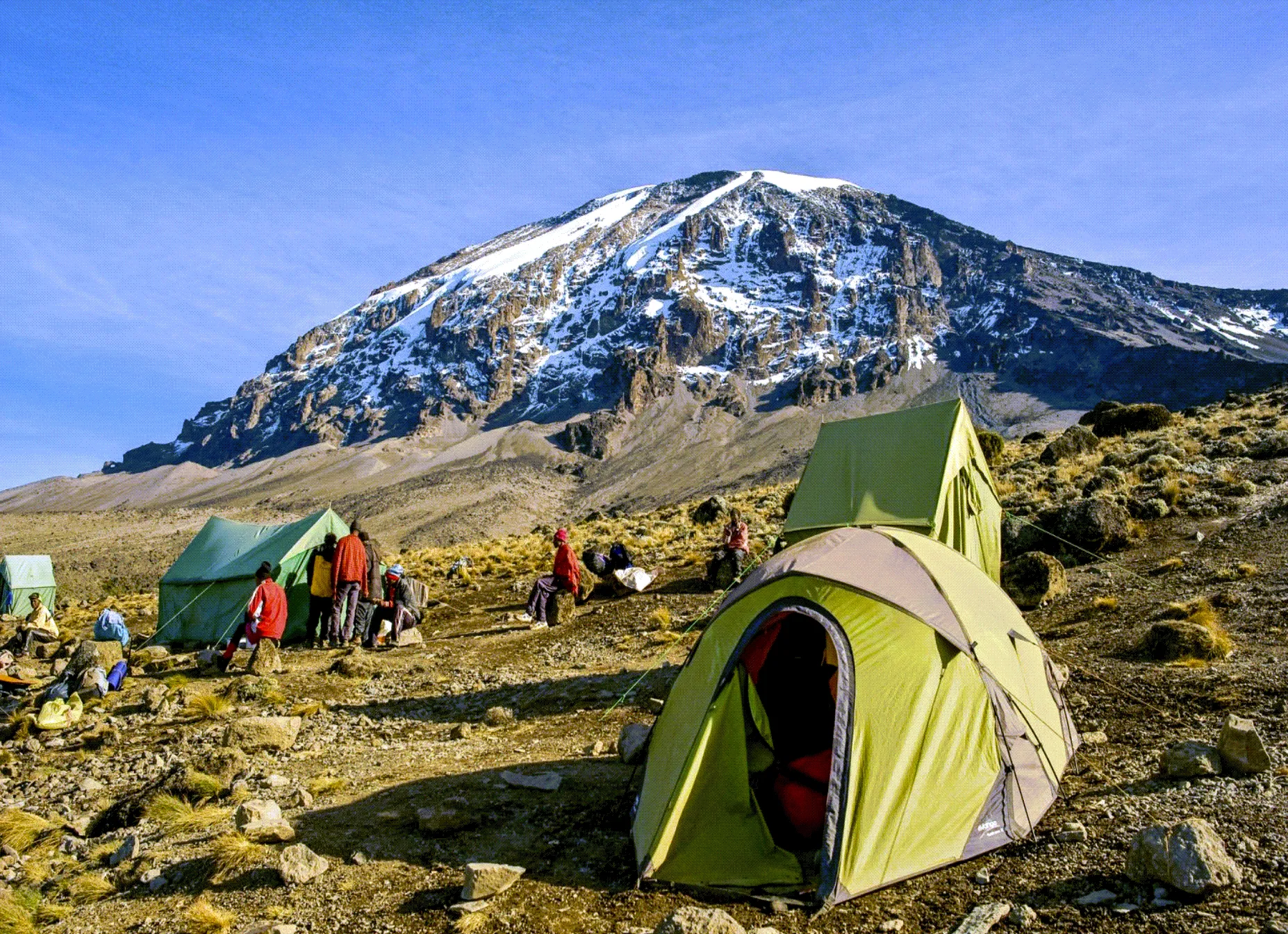
Start planning your climb today. Our experienced team is ready to help you conquer the Roof of Africa safely.