Ngorongoro Crater: Complete Safari Travel Guide
The Ngorongoro Crater is one of the most extraordinary natural wonders on Earth. This massive volcanic caldera, often called the "Eighth Wonder of the World," is home to an unparalleled concentration of wildlife. From the rim, you look down into a self-contained ecosystem where lions hunt zebra on the crater floor, flamingos line the soda lakes, and endangered black rhinos graze in the grasslands. It is one of the few places in Africa where you are virtually guaranteed to see the Big Five in a single day.
This comprehensive guide covers everything you need to know about visiting the Ngorongoro Conservation Area and its famous crater. Whether you are planning a day trip or spending multiple nights, understanding the crater's unique ecosystem, logistics, and wildlife will help you make the most of your visit.
The Ngorongoro Conservation Area
The Ngorongoro Conservation Area (NCA) is a protected area that covers approximately 8,288 square kilometers. It includes the Ngorongoro Crater, the Olduvai Gorge, the Empakaai Crater, and the Olmoti Crater, as well as vast areas of highland forest, grassland, and soda lakes. The NCA was designated a UNESCO World Heritage Site in 1979, recognizing its outstanding natural and cultural values.
What makes the NCA unique among protected areas is that it is a multiple-use area. The Maasai people live within the conservation area alongside wildlife, maintaining their traditional pastoral lifestyle. This coexistence of humans and wildlife is one of the NCA's most remarkable features and adds a cultural dimension to any visit.
The conservation area is managed by the Ngorongoro Conservation Area Authority (NCAA), which is separate from the Tanzania National Parks Authority (TANAPA) that manages other parks in the region. This means park fees and regulations differ from other parks, which is important to understand when planning your visit.
Formation and Geology
The Ngorongoro Crater was formed approximately two to three million years ago when a large volcano erupted and collapsed in on itself. The resulting caldera measures about 19 kilometers across, 610 meters deep, and covers an area of approximately 260 square kilometers. It is the largest inactive, unbroken, and unfilled volcanic caldera in the world.
The crater walls rise steeply from the floor, creating a natural enclosure that has allowed wildlife populations to develop in relative isolation. Over thousands of years, animals within the crater have adapted to the confined environment, creating a unique ecological community that is different from the surrounding areas.
The crater floor is a microcosm of East African habitats. It includes open grasslands, a large soda lake (Lake Magadi), acacia woodland, a swamp, and a lake. This diversity of habitats within such a small area supports an extraordinary range of species, from tiny flamingos to massive elephants.
Landscape and Ecosystem
The Ngorongoro Crater landscape is breathtaking. From the rim, the views stretch across the crater floor to the distant crater walls, with the soda lake shimmering in the center. The descent from the rim to the floor is dramatic, winding through dense forest before opening onto the grasslands below.
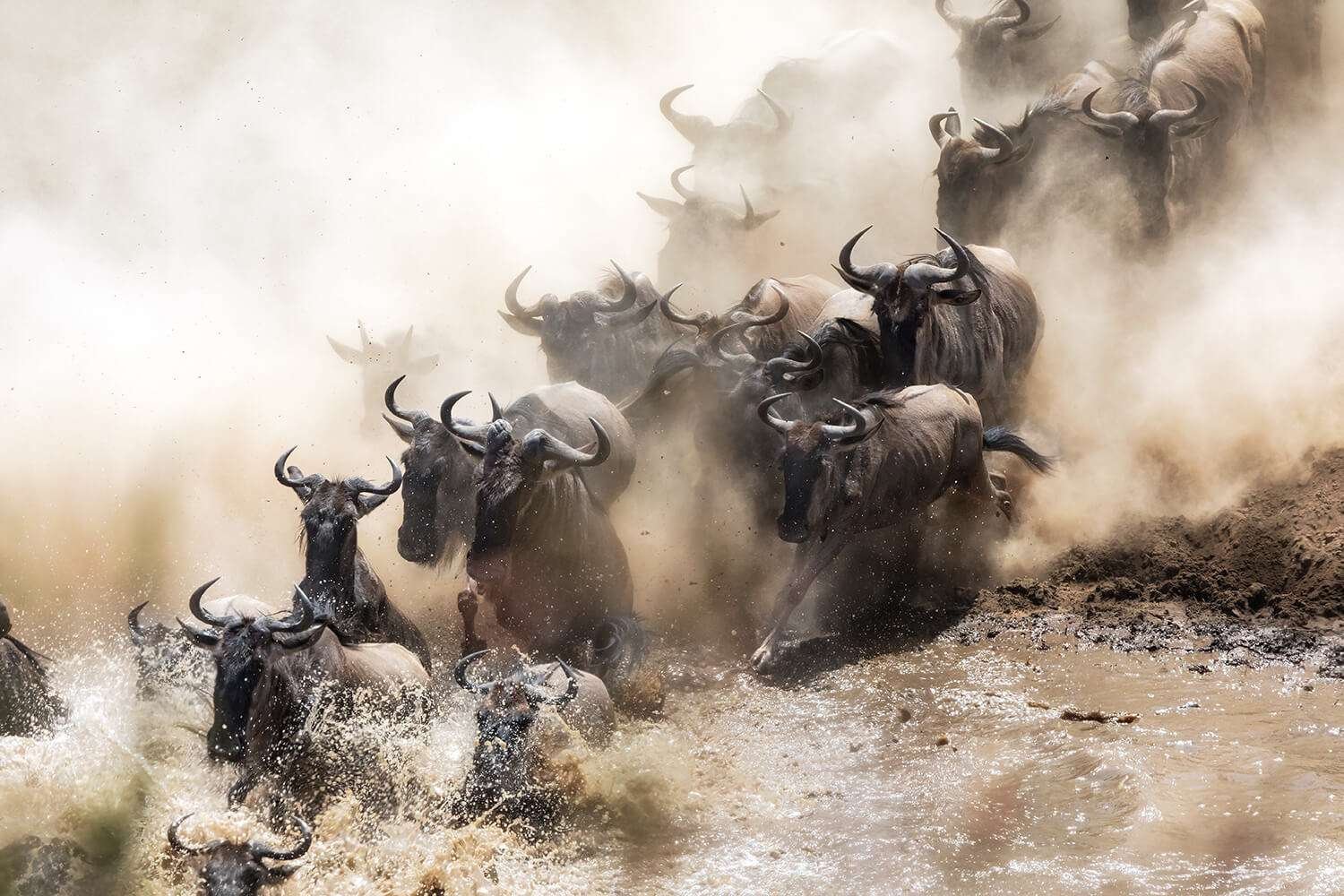
The crater floor is primarily open grassland, which supports large herds of zebra, wildebeest, and buffalo. The central soda lake, Lake Magadi, is often covered with thousands of flamingos, creating a pink carpet that is one of the most iconic images of the crater. The eastern side of the crater features acacia woodland, which provides habitat for leopards, elephants, and a wide range of birds.
The swamp area, known as the Gorigor Swamp, is an important wetland habitat that supports hippos, waterbuck, and various waterbirds. The combination of grassland, lake, swamp, and woodland within such a small area makes the crater one of the most ecologically diverse sites in East Africa.
Wildlife: The Big Five and Beyond
The Ngorongoro Crater is one of the few places in Africa where you can reasonably expect to see all of the Big Five in a single day. Lions, leopards, elephants, buffalo, and both black and white rhinos are all present in the crater. The confined nature of the caldera means animals are concentrated in a relatively small area, making sightings highly likely.
Lions: The crater supports a population of approximately 70 lions. These lions have become accustomed to vehicles and can often be found resting in the open grasslands during the heat of the day. Prides are smaller than in the Serengeti, typically consisting of 5 to 15 individuals, and they are relatively easy to find.
Leopards: Leopards are present but more difficult to spot. They prefer the acacia woodland on the eastern side of the crater and are most active at dawn and dusk. Your guide will scan the trees carefully, as leopards often rest on branches during the day.
Elephants: Elephants in the crater tend to be older bulls, as family groups with young calves tend to avoid the steep crater walls. These tuskers are magnificent to watch, and their large size makes them easy to spot against the open grassland backdrop.
Buffalo: Large herds of buffalo graze on the crater floor, often numbering in the hundreds. These powerful animals are generally calm around vehicles but should be treated with respect. They are most commonly seen in the open grasslands near the center of the crater.
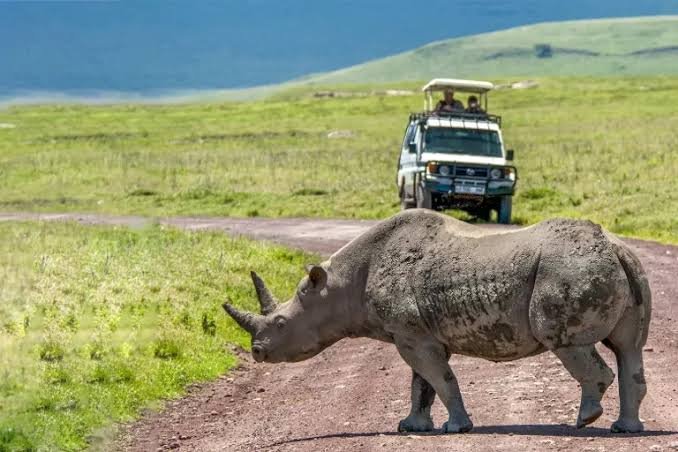
Rhinos: The crater is one of the last refuges for the endangered black rhino in East Africa. The confined nature of the caldera provides protection from poachers, and the population has recovered significantly in recent years. Rhino sightings are not guaranteed due to their elusive nature, but your guide will do everything possible to locate them. The crater also supports a small population of southern white rhinos.
Birdlife in the Crater
The Ngorongoro Crater is a birdwatcher's paradise, with over 500 recorded species. The soda lake attracts large numbers of flamingos, creating one of the most spectacular birdwatching scenes in Africa. Lesser flamingos are the most common, though greater flamingos are also present during certain seasons.
The grasslands support a variety of raptors, including tawny eagles, augur buzzards, and the magnificent Verreaux's eagle. The acacia woodland is home to numerous species of hornbill, woodpecker, and barbet. The swamp area attracts pelicans, storks, and herons in large numbers.
For birdwatchers, the crater offers year-round opportunities. The wet season (November to May) brings migratory species, while the dry season (June to October) concentrates waterbirds around the remaining water sources. A knowledgeable guide is essential for identifying the many species you will encounter.
Game Drives in the Crater
Game drives in the Ngorongoro Crater are unlike those in any other park. The descent from the rim to the crater floor takes about 20 minutes, winding through dense montane forest before emerging onto the grasslands. Once on the floor, you follow designated tracks that allow access to different areas of the crater.
The crater floor game drive typically takes three to four hours, covering the main wildlife areas including the grasslands, the soda lake, and the swamp. Your guide will know the best areas to find specific species and will adjust the route based on the wildlife activity that day. The tracks are well-maintained but can be dusty during the dry season.
A key advantage of crater game drives is the density of wildlife. Unlike the Serengeti, where animals may be spread across vast distances, the crater concentrates everything into a compact area. This means you are likely to encounter multiple species within minutes of starting your game drive. It is common to see lions, buffalo, zebras, and flamingos all within the same hour.
The game drive rules in the crater are strict. Only a limited number of vehicles are allowed on the crater floor at any time, which helps prevent overcrowding. Vehicles must stay on designated tracks, and off-road driving is prohibited. These rules help protect the crater's fragile ecosystem and ensure a quality experience for all visitors.
The Crater Floor: What to Expect
Stepping onto the crater floor is an unforgettable experience. The scale of the caldera becomes apparent as you look up at the steep walls surrounding you. The grasslands stretch in every direction, dotted with herds of grazing animals, while the soda lake glimmers in the distance.
The most common animals you will encounter on the floor include zebra, wildebeest, buffalo, Thomson's gazelles, Grant's gazelles, and eland. Predators include lions, hyenas, and occasionally leopards. The large soda lake is the domain of flamingos, which create a stunning pink shoreline when viewed from the car.
The acacia woodland on the eastern side of the crater offers a different landscape and different wildlife. This is where you are most likely to spot leopards and elephants. The woodland also supports a variety of smaller mammals, including dik-diks, mongooses, and numerous bird species.
One of the most memorable aspects of the crater floor is the sense of being enclosed in a natural amphitheater. The crater walls rise around you like the walls of a fortress, creating a feeling of intimacy with the wildlife that is difficult to find in open parks like the Serengeti.
Best Time to Visit Ngorongoro
The Ngorongoro Crater can be visited year-round, but the best time depends on what you want to experience. Each season offers different advantages.
Dry Season (June to October): The dry season is generally the best time for wildlife viewing. The vegetation is thinner, making animals easier to spot, and wildlife concentrates around the remaining water sources on the crater floor. The soda lake is often at its most impressive during this period, with large numbers of flamingos. The weather is clear and cool, with comfortable temperatures for game drives.
Wet Season (November to May): The wet season brings green landscapes and migratory birds. The crater floor is lush and beautiful, and many animals give birth during this period, so young animals are often seen. The wet season also brings fewer visitors, which means a more peaceful experience. However, rain can make the crater descent more challenging, and tall grass may make some animals harder to spot.
Shoulder Months (November and May): These months offer a balance between the two seasons. You get the green landscapes and birdlife of the wet season while still enjoying relatively good wildlife viewing. The shoulder months are also less crowded than the peak dry season months.
How Long to Stay in Ngorongoro
The duration of your Ngorongoro visit depends on your overall safari itinerary and interests. Most travelers spend one to two nights in the conservation area.
Day Trip: A day trip to the crater is possible from Arusha or other nearby parks. You drive to the rim, descend to the crater floor for a game drive, and return the same day. This works if you are short on time, but it means a long day and limited time on the crater floor.
One Night: Spending one night at a lodge on the crater rim allows you to descend early in the morning when the crater is most active and the light is best for photography. You can spend the entire morning on the crater floor and depart in the afternoon. This is the most common arrangement for travelers on a multi-day safari.
Two Nights: Two nights at the crater rim gives you two full game drives on the crater floor. This is ideal for wildlife photographers and anyone who wants to revisit favorite spots or wait for specific animal behavior. The second day allows for a more relaxed pace and the opportunity to explore different areas of the crater.
Accommodation on the Crater Rim
Accommodation in the Ngorongoro Conservation Area is concentrated on the crater rim, offering stunning views into the caldera. The options range from luxury lodges to more modest camps, all with the advantage of being within the conservation area itself.
Luxury Lodges: Several high-end lodges are perched on the crater rim, offering panoramic views and exceptional service. Properties like the Ngorongoro Crater Lodge and the Plantation Lodge provide luxury accommodation with en-suite bathrooms, gourmet dining, and guided activities. Waking up to views of the crater from your room is an unforgettable experience.
Mid-Range Options: There are several good mid-range lodges and camps on the crater rim that offer comfortable accommodation without the luxury price tag. These properties often provide excellent value, with meals included and knowledgeable guides. The advantage of staying on the rim is the short drive to the crater descent point.
Budget Options: Budget travelers can stay in campsites within the conservation area or in more basic lodges further from the crater rim. While these options require a longer drive to reach the crater, they make the Ngorongoro experience accessible to a wider range of budgets.
Combining Ngorongoro with Other Parks
The Ngorongoro Conservation Area is centrally located in the northern circuit, making it easy to combine with other parks. The most common combinations include:
Ngorongoro + Serengeti: This is the classic combination for a longer safari. The Serengeti is accessed through the Ngorongoro Conservation Area, so the transition between the two is seamless. The drive from the crater rim to the Serengeti takes about two to three hours, passing through the conservation area's highlands. This combination allows you to experience two of Tanzania's most famous wildlife areas in one trip.
Ngorongoro + Tarangire: For shorter safaris, combining Ngorongoro with Tarangire works well. Tarangire is about three to four hours from the crater, and the two parks offer very different experiences. Ngorongoro provides the crater and the Big Five, while Tarangire delivers large elephant herds and baobab landscapes.
Ngorongoro + Tarangire + Serengeti: The full northern circuit typically includes all three parks. A five to seven-day itinerary that covers Tarangire, Ngorongoro, and the Serengeti provides a comprehensive introduction to Tanzania's wildlife and landscapes. Each park has its own character, and together they offer an unparalleled safari experience.
Ngorongoro + Lake Manyara: Lake Manyara is a short drive from the Ngorongoro Conservation Area and offers a contrasting landscape of groundwater forest and soda lake. Flamingos, tree-climbing lions, and large troops of baboons are the highlights. This combination works well for two or three-day safaris.
Olduvai Gorge: A Cultural Stop
Within the Ngorongoro Conservation Area lies the Olduvai Gorge, one of the most important paleoanthropological sites in the world. This is where Louis and Mary Leakey discovered the remains of early human ancestors, including the famous "Nutcracker Man" (Paranthropus boisei) and "Handy Man" (Homo habilis).
A small museum at the gorge provides information about the discoveries and their significance for understanding human evolution. The site is included in most itineraries that pass through the conservation area, and a brief stop here adds a fascinating cultural and scientific dimension to your safari.
The gorge itself is dramatic, with steep walls carved by erosion over millions of years. The layers of sediment visible in the exposed rock represent different geological periods, each containing fossils that tell the story of life in East Africa over the past two million years.
Conservation Challenges
The Ngorongoro Crater faces several conservation challenges. The confined nature of the caldera means that wildlife populations are limited by the available space and resources. During the dry season, water and food can become scarce, and the crater has experienced periods of drought that have affected animal health and reproduction.
Poaching remains a threat, particularly for rhinos, though the conservation area's management has been successful in reducing poaching incidents in recent years. The presence of Maasai pastoralists within the conservation area also creates challenges, as livestock and wildlife must coexist in the same landscape.
Climate change is an emerging concern, with changing rainfall patterns affecting the crater's water sources and vegetation. The conservation area management is working on adaptation strategies to ensure the crater's ecosystem remains resilient in the face of these challenges.
Responsible Tourism in the Crater
Visitors to the Ngorongoro Crater have a responsibility to minimize their impact on this fragile ecosystem. The crater is a UNESCO World Heritage Site, and its preservation depends on responsible tourism practices.
Follow your guide's instructions at all times. Stay on designated tracks, do not litter, and maintain a respectful distance from wildlife. The crater's wildlife is accustomed to vehicles, but it is important not to push too close or create situations that stress the animals.
Support the local Maasai community by purchasing handicrafts and respecting their cultural sites. The Maasai are an integral part of the conservation area's ecosystem, and their traditional knowledge and practices contribute to the area's biodiversity.
Choose operators and lodges that demonstrate commitment to environmental sustainability. Many properties in the conservation area have implemented solar power, water conservation, and waste management systems. Supporting these businesses helps fund conservation efforts and promotes sustainable development in the region.
Planning Your Ngorongoro Visit
Planning a visit to the Ngorongoro Crater requires some logistical consideration. The conservation area has specific rules and regulations that differ from other parks in Tanzania.
Book your accommodation well in advance, particularly during the peak dry season (June to October). Lodges on the crater rim are in high demand, and availability can be limited months ahead of your visit. Your tour operator can help secure the best options based on your budget and preferences.
Park fees must be paid in advance or at the gate, and they are separate from accommodation costs. The NCAA charges entrance fees, crater fees, and vehicle fees, which can add up quickly. Factor these costs into your budget when planning your trip.
Consider combining your crater visit with other activities in the conservation area, such as a walking safari, a Maasai village visit, or a trip to the Olduvai Gorge. These experiences add depth to your understanding of the area and make the most of your time in this remarkable place.
Frequently Asked Questions
How long does it take to drive around the crater floor?
A complete game drive on the crater floor typically takes three to four hours. This allows enough time to visit the main wildlife areas including the grasslands, the soda lake, and the swamp. The time can vary depending on wildlife sightings and the route your guide takes. Most visitors spend about two to three hours actively driving and one to two hours observing wildlife.
Can I walk down into the crater on foot?
Walking safaris are not permitted on the crater floor due to the high density of dangerous wildlife and the need to minimize human impact on the ecosystem. However, some lodges offer guided walks on the crater rim, which provide stunning views and the opportunity to explore the montane forest that grows along the rim. These walks must be accompanied by an armed ranger.
Are there really all Big Five in the crater?
Yes, the Ngorongoro Crater supports populations of all five of the Big Five: lions, leopards, elephants, buffalo, and both black and white rhinos. While sightings of lions, elephants, and buffalo are almost guaranteed, leopards and rhinos are more elusive. Your guide will work hard to locate all five during your game drive, but sightings depend on animal movements and the time of year.
How many vehicles are allowed in the crater at once?
The NCAA limits the number of vehicles allowed on the crater floor at any one time to prevent overcrowding and protect the ecosystem. The exact number varies, but it is strictly controlled. This means that during peak season, you may need to wait at the rim for your turn to descend. Early morning descents are less crowded and offer the best wildlife viewing.
Is the crater descent safe for the vehicle?
Yes, the crater descent is safe for standard safari vehicles. The road is well-maintained and winds gradually down the crater wall. However, the road is steep and narrow in places, so experienced drivers are essential. Your tour operator will ensure you have a skilled driver who knows the road well.
Can I see the crater from the rim without going down?
Yes, there are viewpoints on the crater rim that offer spectacular views of the caldera without descending to the floor. The view from the rim is one of the most iconic in Africa, with the entire crater visible below. However, the game drive on the floor offers a much more intimate experience with the wildlife, and most visitors find the descent well worth the effort.
What is the difference between the NCA and other national parks?
The Ngorongoro Conservation Area is different from national parks managed by TANAPA because it is a multiple-use area where the Maasai people live alongside wildlife. This means different fee structures, different regulations, and a unique cultural dimension. The NCA is managed by the Ngorongoro Conservation Area Authority (NCAA), which has its own rules regarding accommodation, activities, and conservation practices.
How far in advance should I book Ngorongoro accommodation?
Book your accommodation at least three to six months in advance for travel during the peak dry season (June to October). Lodges on the crater rim are in high demand and fill up quickly. During the wet season (November to May), you can book with less advance notice, though popular properties still benefit from early booking. Your tour operator can help secure availability based on your travel dates.
Are there mosquitoes in the crater?
Mosquitoes are present in the Ngorongoro Conservation Area, particularly in the swamp and wetland areas. The conservation area is in a malaria zone, so consult your doctor about prophylaxis before traveling. Insect repellent and long-sleeved clothing during dawn and dusk are recommended for protection. The higher elevation of the crater rim means fewer mosquitoes than at lower elevations.