Tarangire National Park: Complete Safari Guide
Tarangire National Park is one of Tanzania's most underrated wildlife destinations. While the Serengeti and Ngorongoro Crater grab most of the headlines, Tarangire offers a safari experience that is quieter, more intimate, and in many ways just as spectacular. Located just two hours south of Arusha, it is often the first park visitors encounter on a northern circuit safari, and it consistently delivers exceptional wildlife sightings.
This guide covers everything you need to know about Tarangire: its landscape, wildlife, best seasons, practical travel information, and how to combine it with other parks in the region. Whether you are planning a short two-day trip or a comprehensive northern circuit safari, Tarangire deserves a place on your itinerary.
Location and Getting There
Tarangire National Park is located in the Manyara Region of northern Tanzania, approximately 120 kilometers southeast of Arusha. The drive from Arusha takes about two hours on a paved road, making it one of the most accessible parks in the country. The park covers an area of 2,850 square kilometers, making it the sixth-largest national park in Tanzania.
The main entrance gate is at Kuro, which is where you pay your park fees and begin your game drive. The park is named after the Tarangire River, which flows through its center and serves as the primary water source for wildlife during the dry season. The river creates a lush green corridor through the otherwise dry savanna, attracting animals from miles around.
Unlike some parks that require long drives on rough roads to reach the best wildlife areas, Tarangire delivers excellent game viewing close to the entrance gates. This means you spend less time driving and more time watching animals, which is a significant advantage on shorter safaris.
Landscape and Ecosystem
Tarangire's landscape is unlike any other park in Tanzania. The terrain is characterized by gently rolling hills, open grasslands, dense woodland, and the iconic baobab trees that have become the park's signature feature. These ancient trees, some estimated to be over 1,000 years old, dot the landscape and create one of the most photogenic safari settings in East Africa.
The Tarangire River is the lifeblood of the park. During the dry season, it is the only permanent water source for hundreds of kilometers, which concentrates wildlife along its banks. The river also feeds several swamps and wetlands within the park, including the Silale Swamps and the Lekakisio Swamps, which become important wildlife habitats during the wet season.
The park's elevation ranges from 1,100 to 1,600 meters above sea level, which keeps temperatures relatively moderate compared to lower-lying areas. The combination of river, swamps, woodland, and grassland creates diverse habitats that support an unusually wide range of species for a park of its size.
Elephants: Tarangire's Crown Jewel
Tarangire is best known for its enormous elephant herds. During the dry season (June to October), the park concentrates the largest population of elephants in northern Tanzania, with herds of up to 300 individuals gathering along the Tarangire River. This is one of the largest concentrations of elephants anywhere in Africa.
The elephants in Tarangire are remarkably relaxed around vehicles, allowing for close-up encounters that are difficult to achieve elsewhere. Watching a herd of 50 or more elephants drinking, bathing, and playing along the river is one of the defining experiences of a Tanzania safari. The best viewing areas are along the riverbanks between the Kuro gate and the main picnic sites.
During the wet season (November to May), the elephants disperse across the wider landscape as water becomes more available. However, even during the wet season, Tarangire supports a significant elephant population, and sightings remain excellent. The park is estimated to support around 2,500 elephants year-round, making it one of the most important elephant habitats in East Africa.
Baobab Trees and Photography
The baobab trees of Tarangire are among the most photographed natural features in Tanzania. These massive trees, sometimes called "upside-down trees" because their branches look like roots reaching toward the sky, can grow up to 30 meters tall and live for more than 1,000 years. The Tarangire landscape has the highest concentration of baobabs in the world.
For photographers, the baobabs create stunning foreground elements against the backdrop of the African savanna. The best light for photography is during the golden hours shortly after sunrise and before sunset, when the warm light makes the baobab bark glow orange and the shadows create dramatic contrast across the landscape.
Baobabs also serve an important ecological function. Their hollow trunks store water during the wet season, which elephants and other animals access during dry periods. The trees provide shelter for birds, bats, and insects, and their fruit is eaten by a wide range of animals, from baboons to giraffes. Photographing wildlife among the baobabs creates images that are unmistakably Tanzanian.
Birdlife: A Birdwatcher's Paradise
Tarangire is one of the most important birdwatching destinations in Tanzania, with over 550 recorded species. The combination of river, wetland, woodland, and grassland habitats supports an extraordinary diversity of birdlife. The park is particularly famous for its raptor population, with over 50 species recorded, including the largest population of breeding kites in the world.
The swamps within the park are home to large numbers of waterbirds, including pelicans, herons, storks, and ibises. During the wet season, the swamps attract migratory species from Europe and Asia, adding to the already impressive diversity. The Silale Swamps are particularly productive for birdwatching, with saddle-billed storks, goliath herons, and secretary birds regularly spotted.
For birdwatchers, the best time to visit Tarangire is during the wet season (November to May), when migratory species are present and many resident birds are breeding. However, even during the dry season, the concentration of wildlife along the river provides excellent opportunities to see birds of prey and other species that follow the herds.
Predators: Lions, Leopards, and More
While Tarangire is famous for its elephants, the park also supports a healthy predator population. Lions are regularly seen, particularly in areas where the terrain favors hunting, such as along the river and in the open grasslands near the swamps. The park's lion population is estimated at around 700 individuals.
Leopards are present but more difficult to spot, as they prefer the wooded areas and are most active at dawn and dusk. The best chances of seeing leopards are in the denser woodland areas near the river, particularly around the Termite Midge area. Night game drives, which are permitted in Tarangire, significantly increase your chances of spotting these elusive cats.
Cheetahs are occasionally seen in the open grasslands, though they are less common than in the Serengeti. Spotted hyenas are abundant and are often heard at night, their eerie calls echoing across the plains. African wild dogs have been spotted in the park, though sightings are rare. The predator diversity makes Tarangire an excellent park for wildlife enthusiasts who want to see the full spectrum of African carnivores.
Other Wildlife: The Full Cast
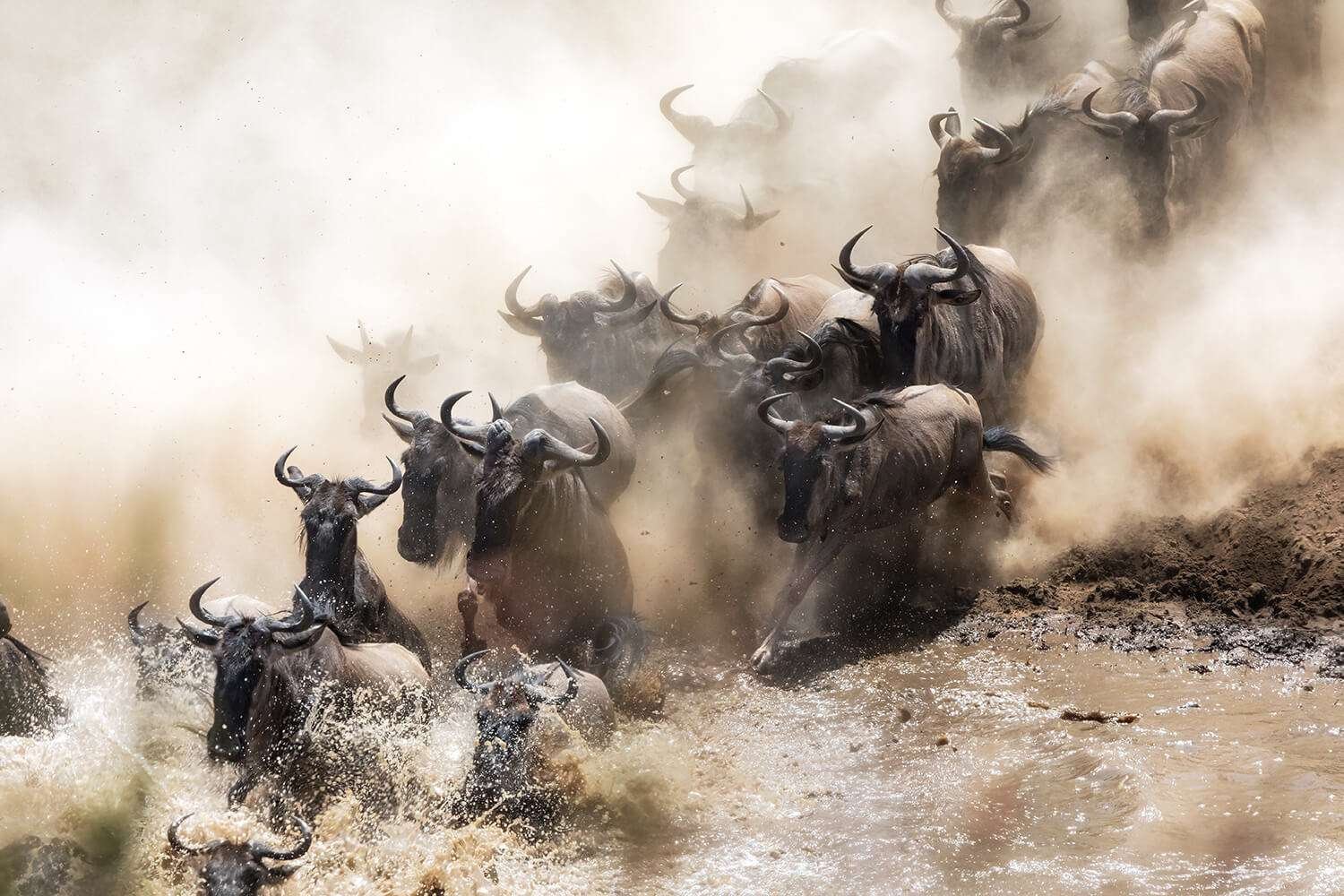
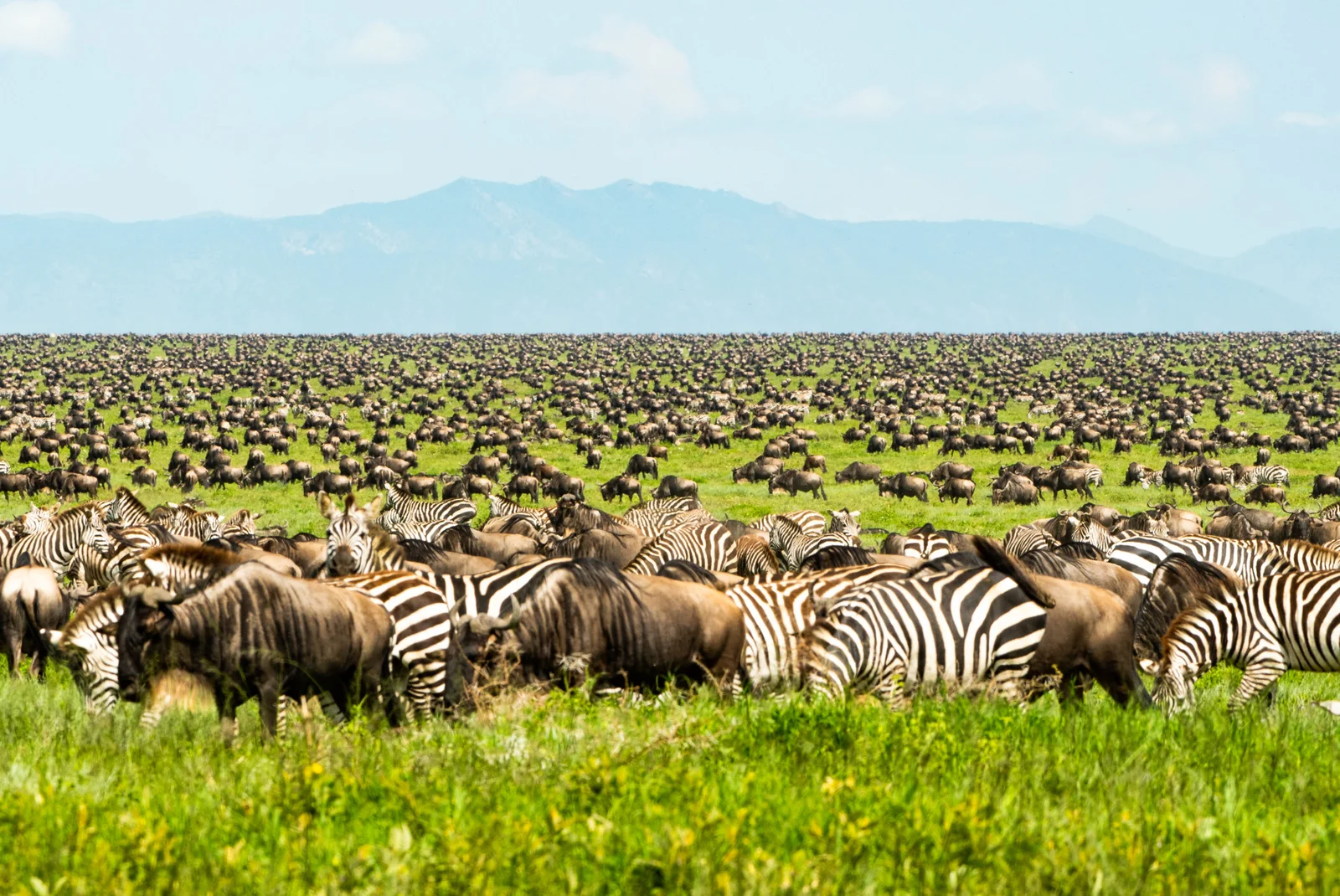
Beyond elephants and predators, Tarangire supports a wide range of other wildlife. Giraffes are abundant, and the park is home to one of the largest populations of giraffes in Tanzania. Zebras, wildebeest, and hartebeest graze on the open plains during the wet season and concentrate near the river during the dry season.
Buffalo herds are common, particularly along the river and in the swamps. Warthogs, bushbuck, waterbuck, and eland are regularly seen. The park also supports a population of fringe-eared oryx, a rare antelope species that is difficult to find elsewhere in Tanzania.
Primates include olive baboons and vervet monkeys, which are often seen near picnic sites and along the river. The combination of large herbivores, predators, primates, and birdlife makes Tarangire one of the most diverse parks in the northern circuit, despite its relatively small size.
Wet Season vs. Dry Season
The timing of your visit to Tarangire significantly affects your experience. The park has two distinct seasons: the wet season (November to May) and the dry season (June to October). Each season offers different advantages.
Dry Season (June to October): This is the most popular time to visit Tarangire. As water sources dry up across the region, wildlife concentrates along the Tarangire River, creating dense aggregations of animals. Elephant herds of 200 to 300 individuals are common, and the game viewing is spectacular. The vegetation is thinner, making animals easier to spot, and the roads are in better condition. The downside is that the park can feel crowded, particularly near the river.
Wet Season (November to May): The wet season transforms Tarangire into a lush green paradise. The swamps fill with water, migratory birds arrive, and many animals give birth during this period. The landscape is beautiful, and the park is much quieter than during the dry season. However, the wildlife is more dispersed, and tall grass can make some animals harder to spot. Rain can also make roads muddy and challenging for standard vehicles.
The shoulder months of November and early June offer a good compromise between the two seasons. You get some of the wet season's green landscapes and birdlife while still benefiting from relatively concentrated wildlife viewing.
Game Drive Routes and Strategies
Tarangire is large enough to offer varied game drive experiences but small enough to cover significant areas in a single day. Most game drives follow the Tarangire River, which is where the highest concentrations of wildlife are found, particularly during the dry season.
The main game drive circuit runs from the Kuro gate along the river to the southern sections of the park. Key areas include the Tarangire River floodplain, which offers excellent elephant viewing, and the Silale Swamps, which are productive for buffalo, elephants, and birdlife. The northern sections of the park, around the Lemiyon area, are less visited but can offer excellent predator sightings.
For the best experience, I recommend combining a morning game drive with an afternoon game drive on your first day, then doing a full-day game drive on your second day. Full-day drives allow you to explore more distant areas of the park and increase your chances of finding rare species or dramatic wildlife interactions.
Night game drives are permitted in Tarangire with a special permit, and they offer a completely different experience from daytime drives. Nocturnal animals like leopards, bushbabies, aardvarks, and various owls become active after dark. The night drives are particularly good for predator sightings, as lions and leopards are more active and visible at night.
How Long to Stay in Tarangire
The recommended duration for a Tarangire safari depends on your overall itinerary and interests. For most travelers, one to two nights is sufficient. A one-night stay allows for an afternoon game drive on arrival and a morning game drive the next day, which covers the main highlights.
A two-night stay is ideal for wildlife enthusiasts and photographers. It gives you time to explore different areas of the park, revisit favorite spots, and wait for optimal lighting conditions. The second night also allows you to do a night drive, which adds another dimension to your wildlife viewing.
If you are a serious birdwatcher or wildlife photographer, three nights would be justified, though most visitors find that two nights provides enough time to see Tarangire's main attractions without the experience becoming repetitive.
Where to Stay in Tarangire
Tarangire offers a range of accommodation options to suit different budgets and preferences. The options can be divided into three main categories:
Luxury Lodges: Several high-end lodges are located inside the park, offering stunning views and exceptional service. These include properties like Tarangire Treetops and Kuro Tarangire Camp, which provide luxury tented accommodation with en-suite bathrooms, gourmet dining, and guided activities. Staying inside the park means you can start game drives before other visitors arrive.
Mid-Range Lodges and Camps: There are several good mid-range options both inside and just outside the park. These provide comfortable accommodation with meals included, often in tented camps that give an authentic safari atmosphere without the luxury price tag. Options along the Tarangire River are particularly well-located for wildlife viewing.
Budget Camping: For travelers on a tighter budget, the park has public campsites that offer basic facilities. Camping in Tarangire puts you close to nature, and you may hear elephants and hyenas during the night. The public campsites are safe and well-maintained, though they lack the exclusivity of the lodge experience.
Combining Tarangire with Other Parks
Tarangire fits naturally into a northern circuit itinerary. Its proximity to Arusha makes it an ideal first or last stop on a multi-day safari. The most common combinations include:
Tarangire + Ngorongoro: This is the classic two or three-day combination. Tarangire offers a contrasting landscape and different wildlife concentrations compared to the Ngorongoro Crater. The drive between the two parks takes about three to four hours, passing through the Ngorongoro Conservation Area, which offers additional wildlife viewing along the way.
Tarangire + Serengeti: For longer safaris, combining Tarangire with the Serengeti gives you two of Tanzania's most important wildlife areas. The drive from Tarangire to the Serengeti takes about six to seven hours, passing through the Ngorongoro Conservation Area. The scenery along the way is spectacular, making the drive part of the experience.
Tarangire + Lake Manyara + Ngorongoro: This three-park combination covers the southern section of the northern circuit and can be done in four to five days. Lake Manyara offers flamingos and tree-climbing lions, Ngorongoro provides the crater experience, and Tarangire delivers the elephant herds. Together, they offer a comprehensive introduction to Tanzania's wildlife.
Tarangire + Serengeti + Ngorongoro: The full northern circuit experience typically includes all three parks. This combination works best over five to seven days, allowing adequate time at each location. Tarangire serves as an excellent starting point, building excitement before the grand finale in the Serengeti.
Practical Travel Information
Park Fees: Tarangire National Park charges entrance fees that vary by nationality and age. As of 2024, adult international visitors pay approximately $53 per day, while children pay reduced rates. These fees are subject to change, so check with the Tanzania National Parks Authority (TANAPA) before your trip.
Best Time to Visit: The dry season (June to October) offers the best overall wildlife viewing, particularly for elephants. The wet season (November to May) is better for birdwatching and offers lush landscapes with fewer visitors. The park is open year-round.
What to Bring: Sunscreen, a hat, sunglasses, binoculars, a camera with a good zoom lens, and lightweight neutral-colored clothing are essential. A light jacket or fleece is useful for early morning and evening game drives when temperatures can be cool. Insect repellent is recommended, particularly during the wet season.
Health and Safety: Tarangire is a malaria zone, so consult your doctor about prophylaxis before traveling. The park is generally safe, but always follow your guide's instructions regarding wildlife. Stay inside your vehicle during game drives and do not approach animals on foot unless accompanied by an armed ranger.
Currency and Payments: Park fees must be paid in US dollars or Tanzanian shillings. Credit cards are accepted at some lodges but not at the park gate. ATMs are available in Arusha, so ensure you have sufficient cash before entering the park.
Why Tarangire Deserves More Time
Many travelers rush through Tarangire on their way to the Serengeti or Ngorongoro, but this is a mistake. The park offers a safari experience that is distinctly different from its more famous neighbors. The elephant herds are larger, the baobab landscapes are more dramatic, and the sense of wilderness is stronger in this less-visited park.
Tarangire also provides a better introduction to safari life for first-time visitors. The drives are shorter, the wildlife is concentrated, and the pace is more relaxed. Starting your safari in Tarangire builds confidence and excitement before you move on to the larger, more complex parks like the Serengeti.
For repeat visitors to Tanzania, Tarangire offers something new. The park's predator dynamics, birdlife, and seasonal changes mean that no two visits are the same. Whether you are watching a pride of lions hunt at dawn or photographing a baobab tree against a stormy sky, Tarangire delivers experiences that stay with you long after you leave.
Frequently Asked Questions
How far is Tarangire from Arusha?
Tarangire National Park is approximately 120 kilometers southeast of Arusha, with a driving time of about two hours on a paved road. This makes it one of the most accessible parks in the northern circuit and an excellent choice for travelers who want to start their safari without a long drive.
When is the best time to see elephants in Tarangire?
The dry season from June to October offers the best elephant viewing, as large herds concentrate along the Tarangire River. During this period, herds of 200 to 300 elephants are common. However, elephants are present year-round, and the wet season (November to May) also offers excellent, though more dispersed, viewing opportunities.
Can I do a night game drive in Tarangire?
Yes, night game drives are permitted in Tarangire with a special permit from TANAPA. Night drives are particularly good for spotting nocturnal animals like leopards, bushbabies, and aardvarks, as well as predators that are more active after dark. Your lodge or tour operator can arrange the necessary permits.
How many days should I spend in Tarangire?
Most travelers spend one to two nights in Tarangire. A one-night stay allows for an afternoon and morning game drive, covering the main highlights. A two-night stay gives you more time to explore different areas of the park, do a night drive, and revisit favorite wildlife viewing spots.
Is Tarangire suitable for families with children?
Tarangire is a good choice for families with children. The park is relatively small, the drives are not too long, and the wildlife is concentrated, which keeps children engaged. The baobab trees and large elephant herds are particularly appealing to younger visitors. Most lodges accommodate children and some offer family-specific activities.
What makes Tarangire different from the Serengeti?
Tarangire is smaller, quieter, and more intimate than the Serengeti. It is best known for its elephant herds and baobab trees, while the Serengeti is famous for the Great Migration and vast open plains. Tarangire offers a more relaxed safari experience with shorter drives and more concentrated wildlife, making it an excellent complement to the Serengeti on a longer safari.
Are there rhinos in Tarangire?
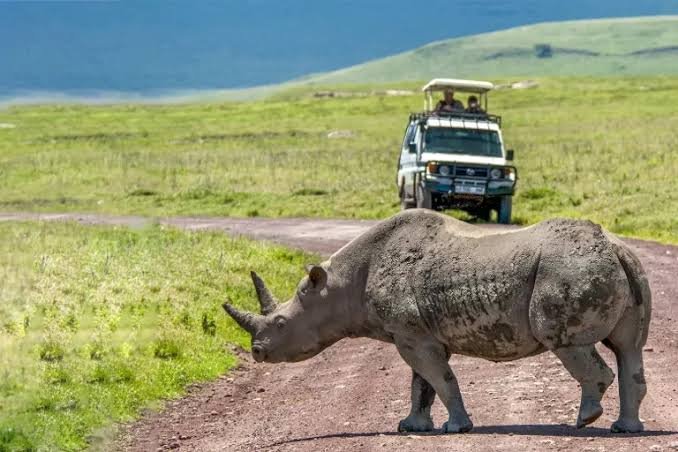
Yes, there is a small population of black rhinos in Tarangire, though sightings are rare. The park has implemented conservation measures to protect these endangered animals. Your best chances of seeing a rhino are in the more remote areas of the park, but there are no guarantees. The Ngorongoro Crater offers better odds for rhino sightings.
Can I walk in Tarangire without a vehicle?
Walking safaris are possible in Tarangire but must be accompanied by an armed ranger. Some lodges offer guided walking safaris as part of their activities. Walking allows you to experience the park from a different perspective and appreciate the smaller details of the ecosystem, from tracks in the sand to insects on a baobab tree.
What should I pack for Tarangire?
Pack lightweight neutral-colored clothing, a warm layer for early mornings, sunscreen, a hat, sunglasses, binoculars, and a camera with a zoom lens. Insect repellent is important, especially during the wet season. Bring sufficient cash for park fees, as credit cards are not accepted at the park gate. A reusable water bottle is also recommended.