Best Time to Go on a Tanzania Safari
Choosing when to go on a Tanzania safari is one of the most important decisions you will make when planning your trip. The country's diverse landscapes and ecosystems mean that wildlife viewing experiences change dramatically throughout the year. Understanding the seasonal patterns, weather conditions, and wildlife behavior will help you choose the perfect time for your adventure. At Kili Altitude Adventures, we help travelers plan safaris throughout the year, and each season offers its own unique rewards.
Understanding Tanzania's Safari Seasons
Tanzania experiences two main safari seasons that significantly impact wildlife viewing and overall experience quality. The dry season runs from June to October, while the green season (also called the wet season) spans November to May. These seasons affect everything from animal concentration patterns to road conditions and accommodation prices.
During the dry season, vegetation thins out and water sources become scarce, forcing animals to congregate around remaining waterholes and rivers. This makes wildlife easier to spot and photograph. The green season brings lush vegetation, newborn animals, and migratory birds, but thicker bush can make game viewing more challenging.
Month-by-Month Tanzania Safari Guide
| Month | Weather | Wildlife Viewing | Crowds | Best Parks |
|---|---|---|---|---|
| January | Warm, short rains in some areas | Good general viewing; calving begins in southern Serengeti | Low to moderate | Serengeti, Ngorongoro |
| February | Warm, peak calving season | Excellent for predator-prey interactions; newborn wildebeest everywhere | Moderate | Southern Serengeti, Ndutu |
| March | Long rains begin, still warm | Good viewing before vegetation thickens; calving continues | Low | Tarangire, Manyara |
| April | Heavy rains, some roads impassable | Challenging but rewarding for patient observers | Very low | Ngorongoro Crater |
| May | Rains tapering off, green landscapes | Good birding; animals dispersing across green plains | Low | All parks |
| June | Dry season begins, cooler temperatures | Animals congregating at water sources; excellent visibility | Moderate, increasing | Serengeti, Tarangire |
| July | Dry, cool mornings, warm afternoons | Outstanding game viewing; Great Migration heading north | High | Western Serengeti, Ngorongoro |
| August | Dry, peak safari season | Exceptional viewing; river crossings begin in western Serengeti | High | Serengeti, Ngorongoro |
| September | Still dry, warming up | Animals concentrated around water; dramatic river crossings | High | Northern Serengeti, Tarangire |
| October | End of dry season, occasional showers | Excellent viewing; animals starting to move south | Moderate to high | Tarangire, Serengeti |
| November | Short rains begin, warming temperatures | Good viewing; migratory birds arriving; landscapes greening | Moderate | All parks |
| December | Intermittent rains, warm | Good general viewing; wildebeest moving to southern Serengeti | Moderate | Serengeti, Ngorongoro |
The Dry Season: June to October
The dry season is widely considered the prime safari time in Tanzania. As rainfalls diminish and temperatures rise, waterholes and rivers become the focal points of animal activity. Vegetation dies back, creating excellent visibility through the bush. This is when you will see the largest concentrations of wildlife, particularly in the Serengeti, Ngorongoro Crater, and Tarangire National Park.
Road conditions improve significantly during the dry months, making remote areas of parks more accessible. The reduced vegetation also means better photography opportunities with cleaner backgrounds and unobstructed views of animals. However, the dry season coincides with peak tourism, so accommodation prices are higher and popular lodges book up months in advance.
The Green Season: November to May
Many experienced safari travelers actually prefer the green season for its unique advantages. The landscape transforms into a vibrant tapestry of green, creating stunning photographic backdrops. This is calving season in the Serengeti, when thousands of wildebeest, zebra, and gazelle give birth on the southern plains. Predator activity intensifies as lions, cheetahs, and hyenas take advantage of vulnerable newborns.
Bird watching reaches its peak during the green season with migratory species arriving from Europe and Asia. The reduced number of visitors means more intimate wildlife encounters and often lower accommodation rates. The main challenges are thicker vegetation that can obscure views and occasional road closures due to rain, particularly in April and May.
The Great Migration Timing
The Great Migration is a year-round phenomenon, but its location changes throughout the year. Understanding the migration calendar helps you plan which area of the Serengeti to visit and when. The migration follows a roughly circular pattern through the Serengeti ecosystem, driven by rainfall and grass growth.
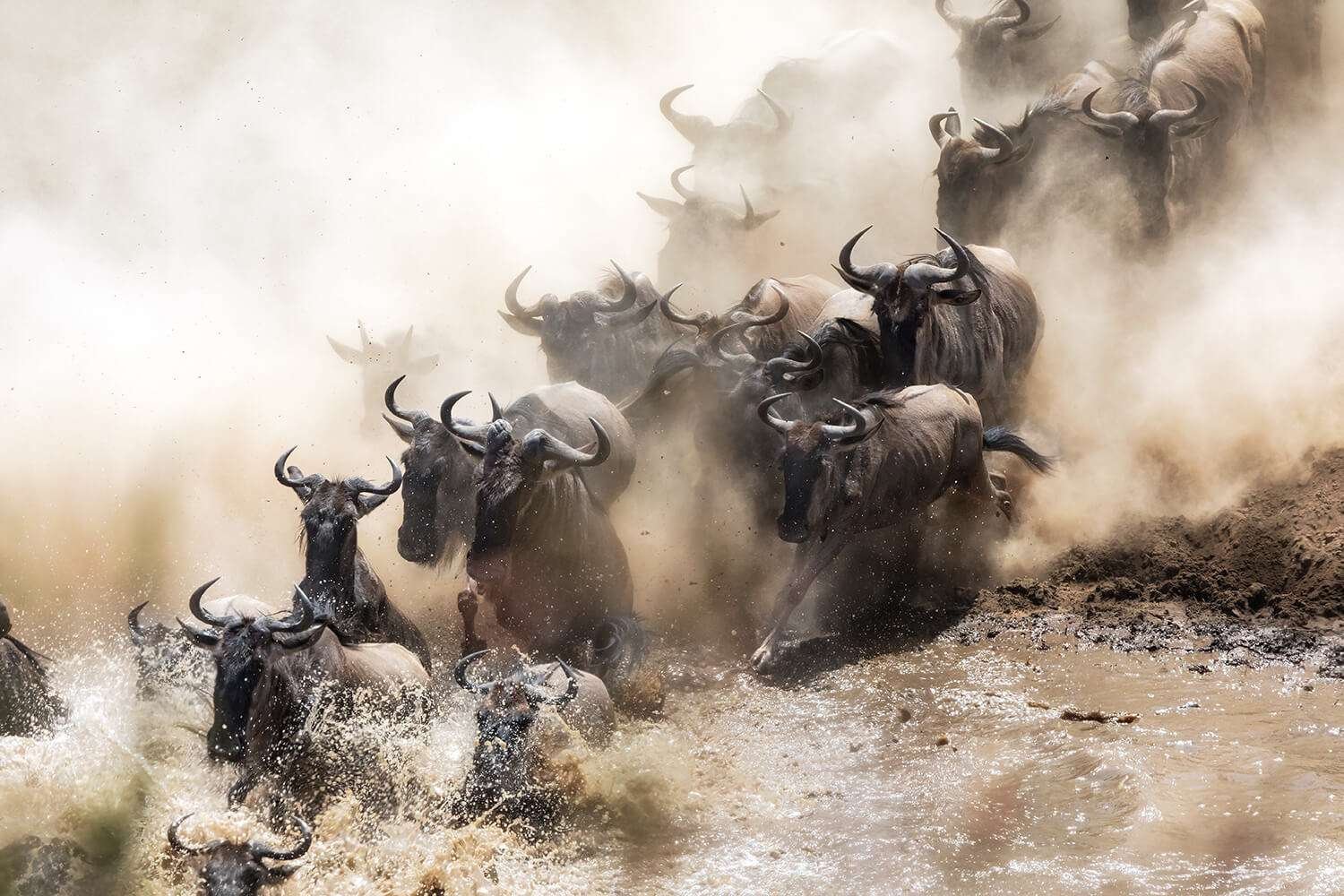
In January and February, the herds gather in the southern Serengeti and Ndutu area for calving season. By March and April, they begin moving westward and northward. July through October sees the dramatic river crossings at the Grumeti and Mara Rivers. By November and December, the herds start moving back south toward the short grass plains.
Park-Specific Timing Considerations
Serengeti National Park: Excellent year-round, but the migration location determines which area to visit. The southern plains are best January-March, central Serengeti June-October, and northern Serengeti July-October for river crossings. Visit Serengeti page for more details.
Ngorongoro Crater: The crater offers consistent game viewing throughout the year. The enclosed ecosystem means animals are always present, though the dry season provides easier spotting. The crater floor can be misty during early morning game drives in the green season. Check our Ngorongoro guide for more information.
Tarangire National Park: Tarangire is famous for its elephant herds, which concentrate around the Tarangire River during the dry season (June-October). The park can feel overcrowded with elephants during peak dry months, but this creates incredible photographic opportunities. During the green season, elephants disperse across a wider area. See our Tarangire page for seasonal details.
Lake Manyara National Park: This compact park is excellent year-round for bird watching, particularly for flamingos. The groundwater forest provides shade and cool temperatures even during hot months. Tree-climbing lions are a unique attraction, though sightings cannot be guaranteed. Learn more at our destinations page.
Photography Considerations
The timing of your safari significantly impacts your photography results. During the dry season, golden hour light is particularly dramatic against the brown and gold landscapes. Animals are easier to photograph at close range due to reduced vegetation and concentrated water sources. The green season offers lush backgrounds and softer light, ideal for portrait-style wildlife photography.
Morning game drives in the green season can be misty and atmospheric, creating unique photographic conditions. The calving season provides opportunities to capture predator-prey interactions, though these moments require patience and cannot be guaranteed. Overcast skies during the rainy season can actually improve wildlife photography by reducing harsh shadows and providing even lighting.
Crowd Levels and Pricing
Tanzania safari pricing follows seasonal demand patterns. Peak season (July-October) commands the highest rates for accommodation, park fees, and charter flights. Budget-conscious travelers can find excellent value during the shoulder months of November-December and March-May, when rates drop significantly while wildlife viewing remains good.
Crowd levels affect your overall safari experience. During peak season, popular spots in the Ngorongoro Crater and central Serengeti can have multiple vehicles observing the same animals. The green season offers a more solitary experience with fewer vehicles, allowing for longer, more intimate wildlife encounters.
Road Conditions and Accessibility
Tanzania's park roads vary significantly by season. During the dry months, dirt tracks are firm and accessible, allowing safari vehicles to reach remote areas. The green season can make some roads impassable, particularly in April and May when heavy rains fall. Main routes through the Serengeti and to the Ngorongoro Crater remain passable year-round, but secondary tracks may be restricted.
Air access also varies by season. Some airstrips in remote areas of the Serengeti may close during heavy rains. Scheduled charter flights operate year-round to major airstrips, but delays can occur during the rainy season. Planning your route with experienced operators ensures smooth transitions between parks regardless of timing.
Special Interests and Timing
Bird Watching: November to April is最佳 for birding, with migratory species present alongside resident birds. The wetlands around Lake Manyara and the forests of the Ngorongoro Conservation Area are particularly productive.
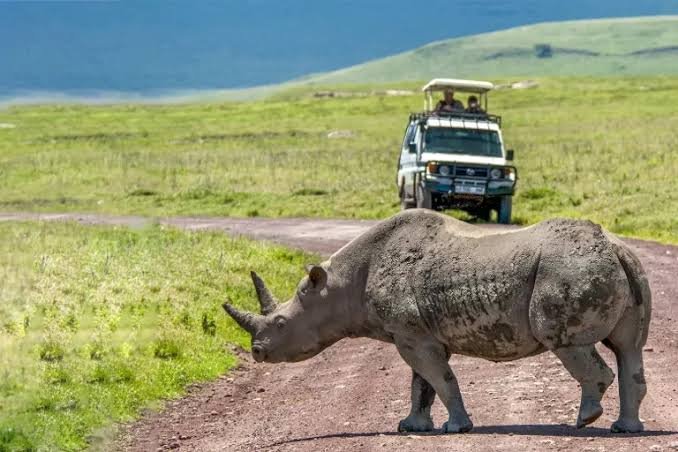
Big Five Viewing: The Ngorongoro Crater offers the best chances for seeing all Big Five animals year-round. Lions, elephants, buffalo, and leopards are resident, while black rhinos are protected within the crater.
Photography Tours: Consider the dry season for dramatic landscapes and animal portraits, or the green season for lush backgrounds and intimate predator-prey moments.
Budget Safari: The green season (November-May) offers lower rates without sacrificing wildlife experiences. This is when many lodges offer special discounts and upgrades.
Weather Patterns Across Regions
Tanzania's diverse geography creates microclimates that affect safari timing differently across regions. The northern circuit (Serengeti, Ngorongoro, Tarangire, Manyara) follows the classic dry/green season pattern. Coastal areas like Zanzibar experience different rainfall patterns, which can be important if combining a safari with beach time.
The highlands around the Ngorongoro Conservation Area can be cool year-round, with frost possible at higher elevations during the dry season. The Serengeti plains experience wider temperature swings, with hot days and cool nights throughout the year.
Planning Your Perfect Safari Timing
The best time for your Tanzania safari ultimately depends on your priorities. If you want to witness the Great Migration river crossings, plan for July-October. For calving season and predator action, February-March in the southern Serengeti is ideal. For the most comfortable conditions and excellent general game viewing, June-October is hard to beat.
Budget considerations may lead you toward the green season, where you can experience excellent wildlife encounters at lower prices. Photography enthusiasts might find the green season's lush landscapes and soft light more appealing than the harsh dry season conditions.
Whatever timing you choose, Kili Altitude Adventures can help design an itinerary that maximizes your chances of incredible wildlife encounters while fitting your schedule and budget. Our experienced guides understand seasonal patterns and can position you in the best areas for your chosen travel dates.
Frequently Asked Questions
Is there a single best month for a Tanzania safari?
There is no single "best" month because it depends on what you want to experience. June-October offers the most reliable wildlife viewing with dry conditions and fewer mosquitoes. February-March provides incredible calving season action in the southern Serengeti. November-December offers good wildlife viewing with fewer crowds and lower prices. Each month has its advantages, and your personal priorities should guide your choice.
Can I see the Great Migration all year round?
Yes, the Great Migration is a continuous cycle that happens throughout the year. However, the location of the herds changes seasonally. In January-February, the migration is in the southern Serengeti for calving. By July-October, the herds move through the western and northern Serengeti, including dramatic river crossings. The exact timing and location vary each year based on rainfall patterns, so guarantees cannot be made about specific dates or locations.
What is the green season and why would I choose it?
The green season (November-May) brings rain that transforms the landscape into lush green scenery. While vegetation is thicker, this season offers several advantages: newborn animals and predator-prey interactions, migratory bird species, fewer tourists, lower prices, and stunning photographic backdrops. Many experienced safari travelers prefer the green season for its unique wildlife experiences and more intimate atmosphere.
How does weather affect game drives in Tanzania?
Weather significantly impacts safari experiences. Dry season conditions provide better visibility, easier road access, and animals concentrated at water sources. Rainy season conditions can create misty mornings, thicker vegetation that obscures views, and occasionally impassable roads. However, rain also brings new growth, migratory birds, and dramatic skies. Main safari routes remain accessible year-round, though remote areas may be restricted during heavy rains.
Are Tanzania safaris more expensive during certain months?
Yes, pricing follows seasonal demand patterns. Peak season (July-October) commands the highest rates for accommodation and services due to high demand and excellent wildlife viewing. Green season months (November-May) typically offer lower rates and special promotions. Shoulder seasons (November-December and March-May) can provide good value with reasonable wildlife viewing. Park fees remain constant year-round, but lodge and tour prices vary significantly.
What should I pack differently for dry versus green season safaris?
Packing differs slightly between seasons. Dry season safaris require neutral-colored clothing, sun protection, and layers for cool mornings. Green season safaris need waterproof jackets, quick-dry clothing, insect repellent, and waterproof bags for electronics. Both seasons require comfortable closed-toe shoes, binoculars, cameras with zoom lenses, and sun protection. Visit our safari information page for detailed packing recommendations.
How far in advance should I book my Tanzania safari?
Booking timelines depend on your travel dates and preferences. For peak season travel (July-October), book 6-12 months in advance to secure preferred lodges and guide availability. Green season travel can often be booked 3-6 months ahead, though popular properties still fill up. Last-minute bookings are sometimes possible during the green season but limit your choices. Early booking ensures better rates and more accommodation options.
Is it safe to travel to Tanzania during the rainy season?
Tanzania is generally safe to visit year-round. The rainy season does not create significant safety concerns for travelers, though road conditions can be challenging. Main safari routes remain passable, and parks stay open throughout the year. Health precautions like malaria prophylaxis are recommended regardless of season. Travel insurance that covers trip interruption is advisable for green season travel due to potential flight delays. Contact us for current conditions and safety information.