Tanzania Safari for Families: Complete Planning Guide
A family safari in Tanzania is one of the most rewarding travel experiences you can share with your children. Watching a pride of lions on the Ngorongoro Crater floor, seeing elephants bathe along the Tarangire River, or witnessing a herd of zebra cross the plains of the Serengeti creates memories that last a lifetime. But planning a family safari requires careful consideration of your children's ages, interests, and comfort levels.
This guide covers everything families need to know about planning a Tanzania safari, from choosing the right destinations and accommodation to managing daily schedules and keeping children engaged. Whether your children are toddlers or teenagers, this guide will help you design a safari that works for the whole family.
Choosing the Right Destinations for Families
Not all parks in Tanzania are equally suited to family travel. The best family destinations offer shorter driving distances, concentrated wildlife, varied landscapes, and accommodation that caters to families. Here are the top recommendations:
Tarangire National Park: Tarangire is an excellent choice for families with younger children. The park is close to Arusha (two hours), the drives are relatively short, and the wildlife is concentrated along the river, which keeps children engaged. The large elephant herds and baobab trees are particularly appealing to younger visitors. Many lodges in Tarangire offer family rooms and children's activities.
Ngorongoro Crater: The crater offers a unique safari experience that works well for families. The game drive is compact and typically takes three to four hours, which is manageable for children. The density of wildlife means there is always something to see, and the crater's natural amphitheater creates a sense of enclosure that children find exciting. However, the crater descent is steep and winding, which can be challenging for very young children.
Lake Manyara National Park: Lake Manyara is smaller and more accessible than many other parks, making it a good choice for families with young children. The park is known for its tree-climbing lions, flamingos, and groundwater forest. The drives are shorter, and the variety of habitats keeps children interested. The park also offers canoeing and walking safaris for older children.
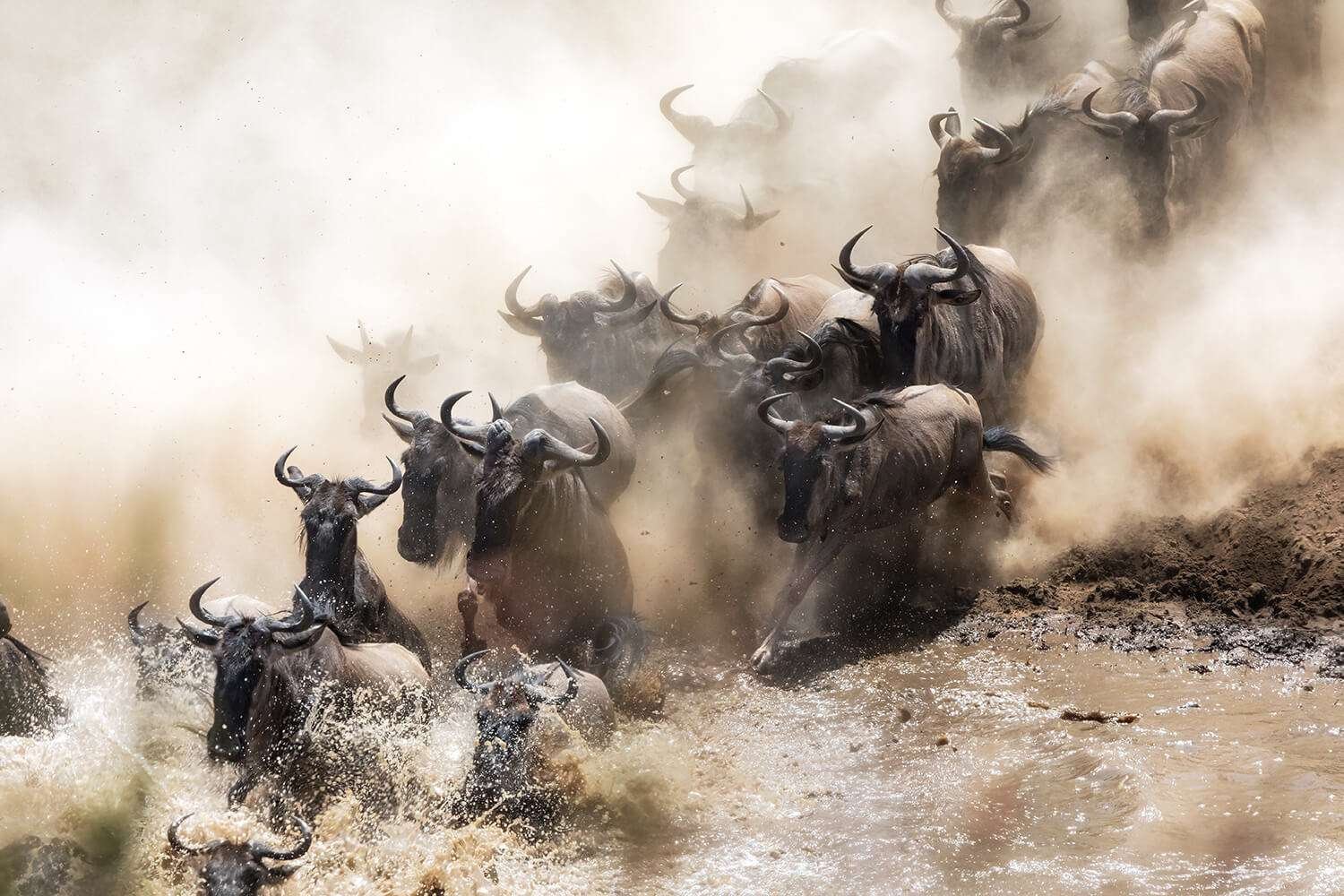
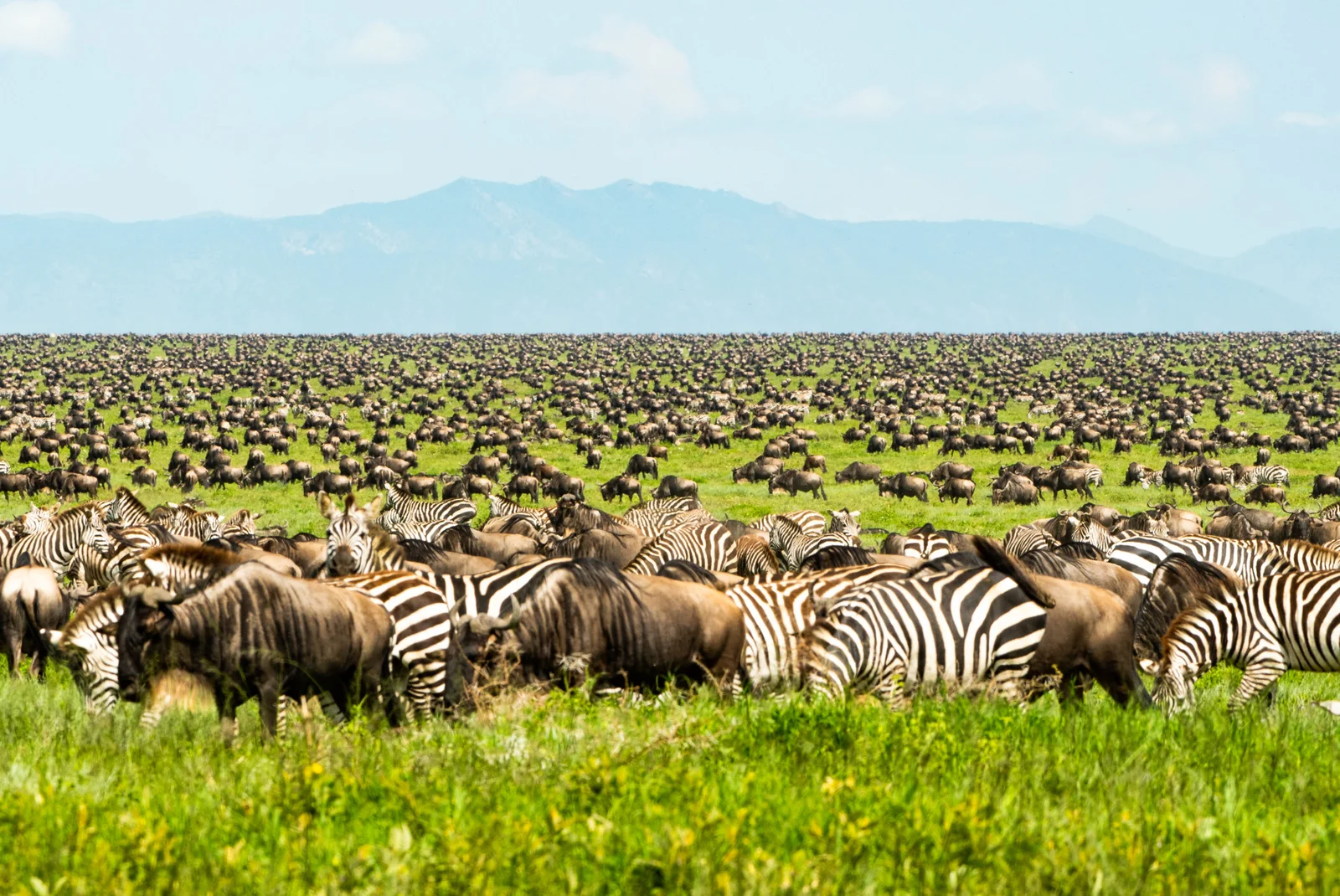
Serengeti National Park: The Serengeti is best for families with older children (8+) who can handle longer drives and later evenings. The vastness of the plains and the sheer number of animals create an awe-inspiring experience. During the Great Migration, the spectacle of thousands of wildebeest and zebra moving across the landscape is something children will never forget.
Age Considerations and Recommendations
Children of different ages have different needs and capabilities when it comes to safari travel. Understanding these differences helps you plan an appropriate itinerary.
Ages 0-3: Very young children can technically go on safari, but the experience is more for the parents than the children. The key challenges are long drives, early mornings, and limited facilities for babies and toddlers. Choose accommodation with family rooms and ensure the lodge can provide basic necessities like cots and high chairs. Keep drives short and be prepared to return to the lodge if your child is unhappy.
Ages 4-7: Children in this age group are curious and enthusiastic but may struggle with very long drives or early mornings. Choose parks with shorter drives and more frequent stops. The Tarangire and Ngorongoro areas work well. Look for lodges that offer children's programs or guides who are experienced with young visitors. Keep game drives to half-days when possible.
Ages 8-12: This is an ideal age for safari. Children are old enough to appreciate the wildlife, stay engaged during game drives, and follow guide instructions. They can handle longer drives and are often fascinated by animal behavior and ecology. The full northern circuit, including the Serengeti, works well for this age group.
Ages 13+: Teenagers can handle the full safari experience, including long drives, early mornings, and extended game drives. They may also enjoy more active pursuits like walking safaris, canoeing, or cultural visits. Teenagers often develop a deep appreciation for wildlife and conservation during a safari, making it a transformative experience.
Vehicle Comfort and Configuration
The safari vehicle is your mobile home during game drives, so comfort and configuration are crucial for families. Most safari operators use modified Land Cruisers or Land Rovers with pop-up roofs for game viewing.
Seating: For families, a vehicle with four rows of seats is ideal. This allows children to move around, change seats for different views, and have space to spread out. The front row typically seats the guide, the second row seats two adults, the third row seats two children, and the fourth row provides extra space or seats for additional family members.
Pop-Up Roof: A pop-up roof is essential for game viewing. It allows everyone to stand and look out over the landscape, which is particularly exciting for children. The roof also provides shade and ventilation, which is important for comfort during long drives.
Luggage Space: Ensure the vehicle has adequate space for your luggage, especially if you are traveling with young children who require additional equipment. Some vehicles have a roof rack for larger items, while others have space behind the last row of seats.
Cool Box: A well-stocked cool box with water, juice, and snacks is essential for families. Children get hungry and thirsty during game drives, and having refreshments readily available prevents the need to cut drives short. Most operators provide a cool box, but confirm this when booking.
Accommodation Options for Families
Tanzania offers a range of accommodation options that cater to families. The key is to choose properties that are family-friendly, with appropriate rooms, facilities, and activities.
Family Tented Camps: Tented camps offer an authentic safari experience that children often find exciting. Many camps have family-sized tents with multiple beds, en-suite bathrooms, and a sitting area. The experience of hearing lions at night while tucked into a comfortable tent is magical for children. Camps like those in Tarangire and the Serengeti offer excellent family options.
Luxury Lodges: High-end lodges often have family suites or interconnecting rooms, swimming pools, children's programs, and dedicated children's menus. These properties provide the most comfort and convenience for families, though they come at a premium price. Lodges in the Ngorongoro area and Tarangire are particularly family-friendly.
Private Camps and Mobile Tents: For families seeking exclusivity, private mobile camps offer the flexibility to move with the wildlife while maintaining a consistent level of comfort. These camps are set up exclusively for your family and can be tailored to your children's needs and interests.
Budget Options: Budget camping and basic lodges are available for families on a tighter budget. While these options lack the amenities of luxury properties, they still provide safe, clean accommodation and access to game drives. Public campsites in Tarangire and other parks offer basic facilities that work for adventurous families.
Meals and Dietary Considerations
Meal planning is an important aspect of family safari travel. Most lodges and camps provide full board (breakfast, lunch, and dinner), and the food is generally of high quality. However, children can be picky eaters, and it is important to communicate your children's dietary needs in advance.
Picky Eaters: Most lodges are accustomed to catering for children and will prepare simple alternatives if your child does not like the main menu. Familiar dishes like pasta, chicken, rice, and fruit are usually available. Let the lodge know about any preferences before you arrive so they can prepare accordingly.
Allergies: If your child has food allergies, communicate these clearly when booking. Most lodges can accommodate common allergies, but it is wise to carry allergy medication and familiar snacks as a backup. In remote areas, specialized ingredients may not be available, so plan ahead.
Snacks: Packing familiar snacks from home is a good idea, especially for children who are particular about food. Granola bars, dried fruit, crackers, and other non-perishable items are easy to carry and provide comfort for children who may be unfamiliar with the local cuisine.
Hydration: Children dehydrate faster than adults, especially in the heat of the African sun. Ensure your children drink plenty of water throughout the day. Most lodges provide bottled water, and your safari vehicle should always carry extra supplies.
Daily Schedule and Routine
Children thrive on routine, and maintaining a predictable daily schedule helps them adjust to the safari environment. Here is a typical family safari day:
Early Morning (6:00-6:30 AM): Wake up and prepare for the morning game drive. Many children struggle with early mornings, so prepare them the night before by laying out clothes and explaining the schedule. Some families find it helpful to have a quick snack before departing.
Morning Game Drive (6:30-11:00 AM): The morning game drive is usually the most productive for wildlife viewing. Animals are most active during the cooler hours, and the light is excellent for photography. Stop for a bush breakfast if the lodge provides one, or return to the lodge for a full breakfast.
Midday Rest (11:00 AM-3:00 PM): The midday period is too hot for comfortable game driving, and most animals rest during this time. Return to the lodge for lunch, swimming, naps, and relaxation. This break is essential for children who need time to recharge.
Afternoon Game Drive (3:30-6:30 PM): The afternoon game drive is more relaxed than the morning drive. Animals become active again as the temperature drops, and the golden hour light creates beautiful conditions for photography. Return to the lodge before dark.
Evening (7:00 PM onwards): Dinner at the lodge, followed by relaxation and bedtime. Many lodges offer outdoor dining under the stars, which children find magical. Share stories about the day's sightings and prepare for the next day's adventures.
Keeping Children Engaged During Game Drives
Long game drives can be challenging for children, especially those under ten. Here are strategies to keep children engaged and happy during drives:
Safari Bingo: Create a bingo card with common animals and features before your trip. Children can mark off each animal they see, adding an element of game and competition to the drive. Include easy targets (zebra, giraffe) and harder ones (leopard, rhino) to maintain interest throughout the day.
Wildlife Journal: Provide children with a notebook and colored pencils to record their sightings. They can draw animals, write descriptions, and note interesting behaviors. This activity keeps them occupied during quieter periods and creates a lasting souvenir of the trip.
Storytelling: Encourage your guide to share stories about the animals and the landscape. Guides often have fascinating knowledge about individual animals, their families, and their histories. Children are captivated by stories about lion prides, elephant matriarchs, and bird migrations.
Photo Challenge: Give older children a camera (or let them use a phone camera) and challenge them to capture specific shots, like a bird in flight, a baby animal, or an animal eating. This turns the game drive into a creative pursuit and helps children focus on observing details.
Rest Breaks: Do not hesitate to return to the lodge if your child is tired or unhappy. A short break can recharge their enthusiasm and make the afternoon drive much more enjoyable. The flexibility to adjust your schedule is one of the advantages of a private safari.
Packing for a Family Safari
Packing for a family safari requires balancing the essentials with the practicalities of traveling with children. Here is a comprehensive packing list:
Clothing: Lightweight neutral-colored clothing (khaki, olive, brown) is essential. Pack layers for early mornings and evenings when temperatures drop. Bring hats, sunglasses, and closed-toe shoes for game drives. A warm fleece or jacket is important for the Ngorongoro Crater rim, which can be cold in the early morning. Pack more changes of clothes than you think you will need, as children get dirty quickly on safari.
Sun Protection: High-SPF sunscreen, lip balm with SPF, and wide-brimmed hats are essential. The African sun is strong, and children's skin is particularly vulnerable. Apply sunscreen regularly throughout the day, even on cloudy days.
Insect Protection: Insect repellent with DEET or picaridin is recommended, especially during the wet season. Long-sleeved shirts and long pants provide additional protection during dawn and dusk. Consider treating clothing with permethrin for added protection.
Binoculars: A pair of child-sized binoculars is a great investment. They allow children to see distant animals more clearly and keep them engaged during drives. Choose lightweight, durable binoculars with easy-to-adjust focus.
Entertainment: Pack books, games, and activities for travel days and downtime at the lodge. Coloring books, puzzle books, and tablet devices loaded with movies or games can be lifesavers during long drives or rest periods.
Medical Kit: Bring a basic first-aid kit with bandages, antiseptic, pain relievers, and any prescription medications your child needs. Include anti-diarrhea medication, rehydration salts, and allergy medication. Consult your pediatrician before traveling for additional health advice.
Health and Safety Considerations
The health and safety of your family is paramount during a safari. While Tanzania is a safe destination for tourists, there are specific considerations for families.
Malaria: Tanzania is a malaria zone, and prophylaxis is recommended for all visitors, including children. Consult your doctor about the appropriate medication and dosage for your children before traveling. Use insect repellent, sleep under mosquito nets, and wear long sleeves during dawn and dusk.
Vaccinations: Ensure your children's routine vaccinations are up to date before traveling. Additional vaccinations may be recommended depending on the regions you will visit. Consult a travel health clinic at least six weeks before departure.
Water Safety: Drink only bottled or purified water. Ensure your children do not drink from taps or untreated sources. Most lodges provide bottled water, and your guide will ensure safe drinking water is available during game drives.
Wildlife Safety: Always follow your guide's instructions regarding wildlife. Stay inside the vehicle during game drives, do not approach animals on foot, and maintain a respectful distance. Teach children to speak quietly and move slowly near wildlife to avoid disturbing the animals.
Sun Safety: The African sun is intense, and children are particularly susceptible to sunburn and heat exhaustion. Apply sunscreen regularly, ensure your children wear hats and protective clothing, and keep them hydrated throughout the day. If your child shows signs of heat exhaustion, return to the lodge immediately and seek medical attention if necessary.
Sample Family Itineraries
Short Family Safari (4 Days): Tarangire + Ngorongoro
Day 1: Arrive in Arusha and transfer to Tarangire National Park (2 hours). Afternoon game drive focusing on elephants and baobabs. Overnight at a family lodge in Tarangire.
Day 2: Morning game drive in Tarangire. Return to the lodge for lunch and a swim. Afternoon at leisure with optional nature walk or Maasai village visit. Overnight at the same lodge.
Day 3: Drive to the Ngorongoro Conservation Area (3 hours). Afternoon descent into the crater for a game drive. Look for the Big Five on the crater floor. Overnight at a family lodge on the crater rim.
Day 4: Early morning game drive on the crater floor. Late morning ascent and drive back to Arusha (3 hours). Depart or extend your stay.
Comprehensive Family Safari (7 Days): Tarangire + Serengeti + Ngorongoro
Day 1: Arusha to Tarangire National Park. Afternoon game drive. Overnight at a family camp in Tarangire.
Day 2: Morning game drive in Tarangire, then drive to the Serengeti via the Ngorongoro highlands. Overnight at a family camp in the Serengeti.
Day 3: Full day game drive in the Serengeti. Visit different areas of the park and look for the Big Five. Overnight at the same camp.
Day 4: Morning game drive in the Serengeti, then drive to the Ngorongoro Conservation Area. Overnight at a family lodge on the crater rim.
Day 5: Early morning descent into the crater for a game drive. Return to the lodge for lunch and relaxation. Afternoon visit to a Maasai boma. Overnight at the same lodge.
Day 6: Morning walking safari on the crater rim (for older children) or visit to Olduvai Gorge. Afternoon at leisure. Overnight at the same lodge.
Day 7: Final morning game drive or cultural activity, then drive back to Arusha. Depart or extend your stay.
Travel Distances and Transfer Times
Understanding travel distances helps you plan realistic daily schedules. Here are key transfer times for family itineraries:
- Arusha to Tarangire: 2 hours (120 km)
- Arusha to Lake Manyara: 2 hours (130 km)
- Arusha to Ngorongoro Crater: 3.5 hours (190 km)
- Tarangire to Ngorongoro: 3-4 hours (150 km)
- Ngorongoro to Serengeti: 3-4 hours (160 km)
- Serengeti to Arusha: 8 hours by road or 1 hour by flight
For families, I recommend breaking long drives into segments with stops for stretching, photos, and refreshments. The drive from the Ngorongoro Conservation Area to the Serengeti passes through stunning scenery, and your guide will find interesting stops along the way.
What to Tell Your Children Before the Trip
Preparing children for what to expect on safari helps reduce anxiety and builds excitement. Here are key points to discuss before your trip:
- Early Mornings: Explain that safari days start early because animals are most active at dawn. Practice early wake-up times in the weeks before your trip.
- Vehicle Time: Prepare children for long periods in the vehicle. Explain that the drives are part of the adventure and that there will be stops for stretching and refreshments.
- Wildlife Rules: Teach children that safari has rules designed to keep everyone safe. They must stay inside the vehicle, speak quietly near animals, and follow the guide's instructions.
- What They Might See: Share age-appropriate books or documentaries about African wildlife so children know what to expect. This builds excitement and helps them identify animals during the safari.
- Comfort Items: Allow children to bring a comfort item like a favorite stuffed animal or blanket. Safari can be overwhelming, and familiar items provide security.
Making It a Learning Experience
A safari is one of the greatest educational experiences you can give your children. Here are ways to maximize the learning value:
Encourage Questions: Children are naturally curious, and safari raises many questions. Encourage your children to ask their guide questions about the animals, the landscape, and the local culture. Guides love sharing their knowledge with young visitors.
Conservation Conversations: Use the safari as an opportunity to discuss conservation. Explain why national parks exist, how animals are protected, and what threats wildlife faces. Children often develop a lifelong passion for conservation after experiencing wildlife in its natural habitat.
Cultural Sensitivity: If you visit Maasai communities or other cultural sites, prepare children to be respectful visitors. Explain that different cultures have different customs and that we should observe and learn rather than judge.
Post-Trip Projects: After your trip, encourage children to create a photo album, write a journal entry, or give a presentation about their safari. These activities help consolidate what they learned and create lasting memories.
Frequently Asked Questions
What is the minimum age for a safari in Tanzania?
There is no official minimum age for safaris in Tanzania, but most operators recommend waiting until children are at least 4-5 years old for a comfortable experience. Very young children (under 3) can technically go on safari, but the long drives and early mornings can be challenging. Some lodges and camps have their own age restrictions, so check when booking.
Are safari vehicles safe for children?
Safari vehicles used by reputable operators are designed for safety and comfort. They have sturdy construction, seatbelts, and experienced drivers who know the terrain. The vehicles are enclosed during game drives, which protects passengers from wildlife. Always ensure your operator maintains their vehicles to high safety standards.
Can I bring a stroller on safari?
Strollers are not practical for game drives due to the rough terrain and limited space in safari vehicles. For younger children, consider a baby carrier or backpack for walking around lodges and camps. Most lodges have paved or packed-earth pathways that are manageable with appropriate footwear.
How do I handle jet lag with young children?
Tanzania is in the East Africa Time Zone (GMT+3). Most families from North America or Europe experience a time difference of 6-9 hours. Arrive a day or two early to adjust before starting your safari. Keep children active during the day and maintain bedtime routines as much as possible. The excitement of safari often helps children adjust quickly.
Are there pediatric medical facilities in Tanzania?
Major cities like Arusha and Dar es Salaam have hospitals with pediatric departments, but facilities in rural areas near the parks are limited. Ensure you carry a basic medical kit, any prescription medications your child needs, and comprehensive travel insurance that covers medical evacuation. Consult your pediatrician before traveling for specific health advice.
Can children do walking safaris?
Walking safaris are generally suitable for children aged 10 and older, depending on the operator and the specific area. Walking safaris are conducted with armed rangers and follow strict safety protocols. They offer children a different perspective on the bush, focusing on smaller details like tracks, plants, and insects. Check with your operator about their specific age requirements for walking safaris.
What if my child is afraid of animals?
It is natural for children to feel some anxiety about encountering wild animals. Prepare them by watching age-appropriate documentaries, reading books about African wildlife, and explaining that safari rules keep everyone safe. Reassure them that they will be in a vehicle with an experienced guide who knows how to interact safely with wildlife. Most children quickly overcome their fears once they experience the excitement of seeing animals in the wild.
How can I make the safari educational for my children?
Encourage your children to keep a wildlife journal, ask their guide questions, and participate in conservation conversations. Many lodges have educational programs or guides who specialize in working with children. Post-trip activities like photo albums, presentations, or school projects help consolidate what they learned. The safari experience itself is deeply educational, as children observe animal behavior, ecosystems, and different cultures firsthand.