
Machame vs Lemosho: Which Kilimanjaro Route Is Right for You?
Quick Facts
- Machame Route: 6 or 7 days, starts from Machame Gate (1,800m)
- Lemosho Route: 7 or 8 days, starts from Londorossi Gate (2,100m)
- Both Routes: Converge at Barranco Camp and share the final approach to the summit
- Key Difference: Lemosho offers more acclimatization time; Machame is slightly shorter and more popular
- Success Rate: Lemosho 8-day ~85%, Machame 7-day ~75%
Choosing between Kilimanjaro's routes is one of the most important decisions you will make when planning your climb. Two of the most popular options are the Machame Route and the Lemosho Route. Both are excellent choices with stunning scenery, strong acclimatization profiles, and high summit success rates. But they are not identical, and the right choice depends on your priorities, fitness level, and what kind of experience you want on the mountain.
This guide provides a thorough comparison so you can make an informed decision. Neither route is universally better — each has distinct advantages that appeal to different types of climbers. If you are considering other options, the Marangu Route offers a shorter itinerary, the Rongai Route provides a drier approach from the north, and the Northern Circuit offers the longest and most comprehensive acclimatization profile on the mountain.
Route Overview
Machame Route
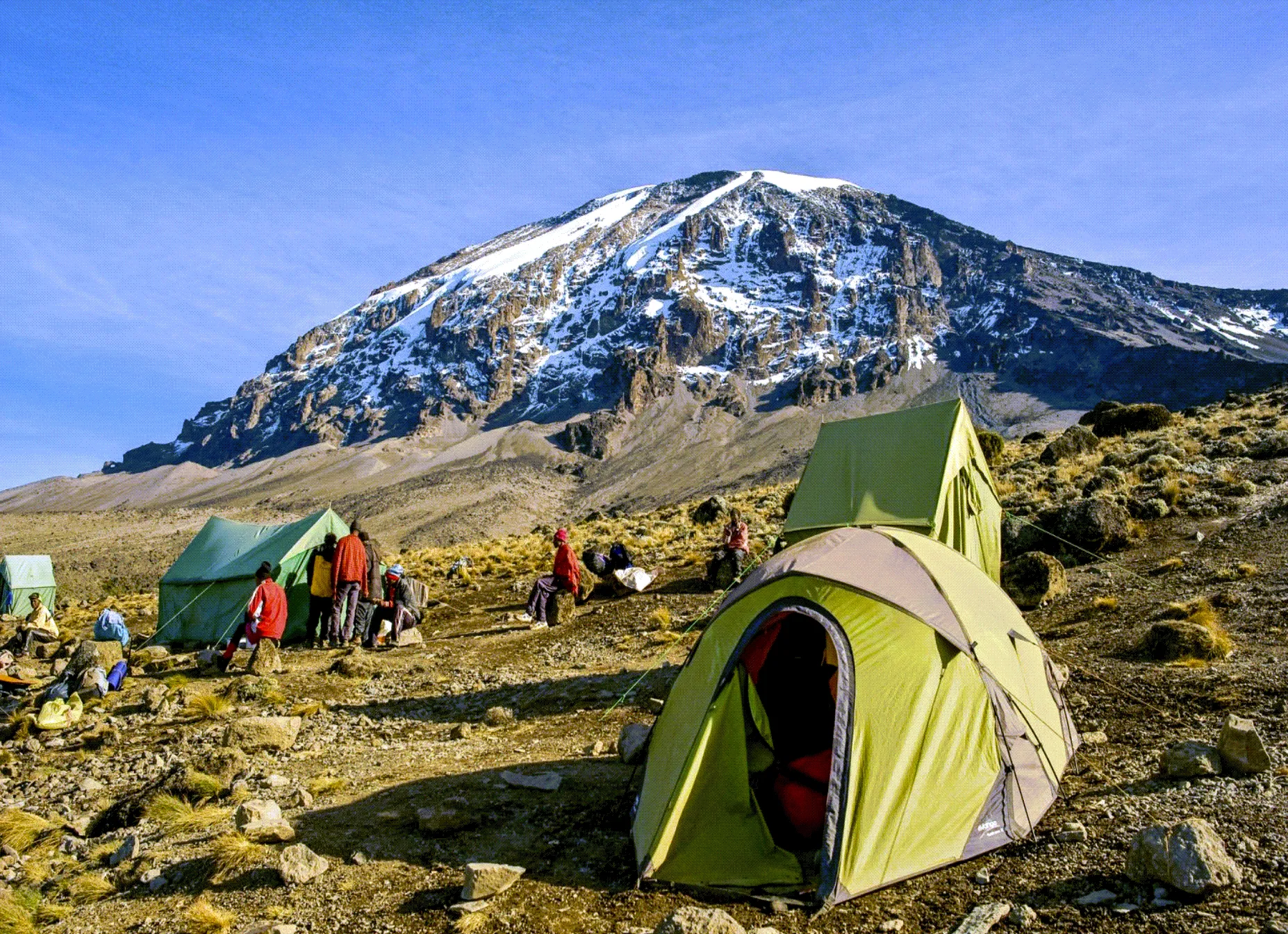
The Machame Route, often called the "Whiskey Route," is one of Kilimanjaro's most popular paths. It begins at Machame Gate on the southern slopes of the mountain and climbs through rainforest, moorland, and alpine desert before reaching the summit via Stella Point. The route is typically completed in 6 or 7 days, with 7 days being the recommended option for better acclimatization.
Machame is known for its dramatic scenery, including the famous Barranco Wall — a steep rock face that requires light scrambling and is a highlight for many climbers. The route offers excellent variety in landscape and has a well-established camping infrastructure.
Lemosho Route
The Lemosho Route begins on the western side of Kilimanjaro at Londorossi Gate and is widely considered one of the most scenic and well-designed routes on the mountain. It is typically completed in 7 or 8 days, with 8 days providing the best acclimatization profile and highest success rates.
Lemosho is quieter than Machame in its early days because it starts further from the main tourist areas. The route passes through pristine rainforest, crosses the expansive Shira Plateau, and offers exceptional wildlife viewing opportunities before joining the Machame Route at Barranco Camp.
Scenery Comparison
Rainforest Zone
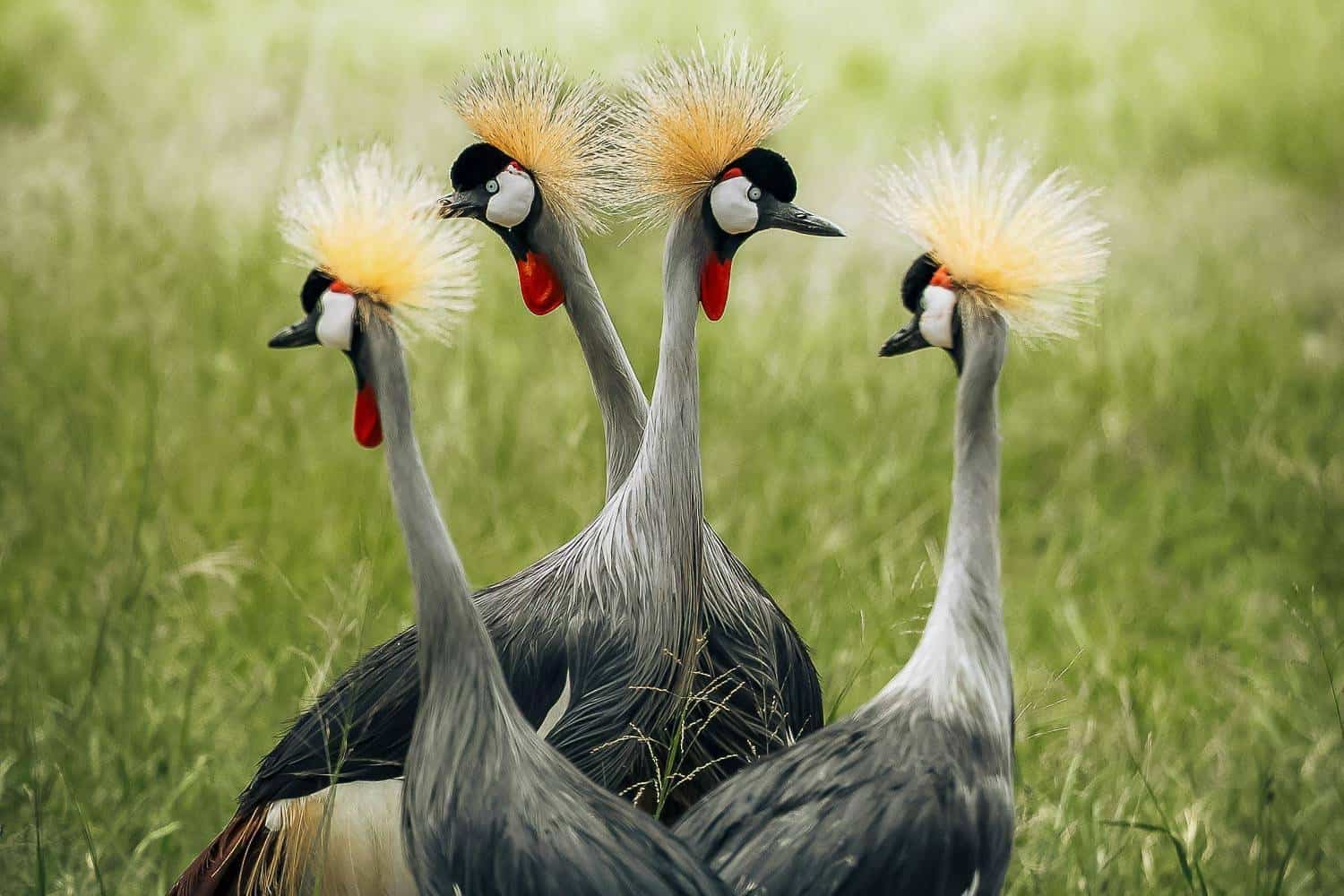
Both routes begin in Kilimanjaro's lush tropical rainforest, but the experience differs. Machame enters the forest at a lower elevation where the vegetation is denser and more humid. Lemosho starts slightly higher and the forest feels somewhat more open. Both offer excellent birdlife, and you may spot colobus monkeys, blue monkeys, and various tropical bird species. The Lemosho approach through the forest is generally considered slightly more pristine due to lower foot traffic in the early sections.
Shira Plateau
This is where Lemosho truly distinguishes itself. After leaving the rainforest, the Lemosho Route crosses the Shira Plateau — a vast, high-altitude moorland that feels like another planet. The plateau offers sweeping panoramic views, dramatic cloud formations, and an almost otherworldly landscape of giant groundsels and lobelias. Machame does not traverse the Shira Plateau; instead, it climbs directly up the southern side through the moorland zone. The Shira Plateau experience is one of the strongest arguments for choosing Lemosho.
Barranco Wall
Both routes converge at Barranco Camp and tackle the Barranco Wall together. This steep rock scramble is one of the most exciting and photogenic sections of the entire climb. It requires using your hands for balance and climbing, but no technical skills. The wall looks intimidating from below but is manageable for anyone with reasonable agility. Both routes offer identical experiences here.
Karanga Valley and Barafu Approach
From Barranco onward, both routes follow the same path through the Karanga Valley and up to Barafu High Camp. This section is rocky, exposed, and increasingly barren as you approach the alpine desert zone. The views of the summit and the surrounding glaciers are spectacular from this altitude.
Summit Approach
Both routes reach the summit via the same final path — from Barafu Camp, up the scree slope to Stella Point, and then along the crater rim to Uhuru Peak. The summit experience is identical regardless of which route you took to get there.
Acclimatization Profile
Acclimatization is arguably the most important factor in determining your summit success. Both routes are designed with acclimatization in mind, but they achieve it differently.
Machame Acclimatization
The 7-day Machame itinerary includes a critical "climb high, sleep low" day at Barranco Camp. On day 4, climbers ascend to Lava Tower at 4,630 meters before descending to Barranco at 3,950 meters. This descent after reaching a higher altitude is excellent for acclimatization. The 6-day version compresses this itinerary and reduces acclimatization time, which is why the 6-day version has a noticeably lower success rate.
Lemosho Acclimatization
The 8-day Lemosho itinerary spends more time at mid-altitudes before the final ascent. It includes an extra day of trekking at moderate elevation, which allows the body to adjust more gradually. The route also gains altitude more slowly in its early stages compared to Machame, giving the body additional time to adapt. This is why the 8-day Lemosho has one of the highest success rates of any Kilimanjaro route at approximately 85%.
Daily Hiking Comparison
Here is a day-by-day comparison of the standard 7-day Machame and 8-day Lemosho itineraries:
| Day | Machame (7-Day) | Lemosho (8-Day) |
|---|---|---|
| 1 | Machame Gate (1,800m) to Machame Camp (3,000m) — 5-7 hours | Londorossi Gate (2,100m) to Mti Mkubwa Camp (2,750m) — 3-4 hours |
| 2 | Machame Camp to Shira Camp (3,840m) — 5-6 hours | Mti Mkubwa to Shira Camp 1 (3,500m) — 5-6 hours |
| 3 | Shira Camp to Lava Tower (4,630m) then Barranco (3,950m) — 6-7 hours | Shira Camp 1 to Moir Camp (4,200m) — 4-5 hours |
| 4 | Barranco Camp to Karanga Camp (3,995m) — 4-5 hours | Moir Camp to Barranco Camp (3,950m) via Lava Tower — 6-7 hours |
| 5 | Karanga Camp to Barafu Camp (4,640m) — 4-5 hours | Barranco Camp to Karanga Camp (3,995m) — 4-5 hours |
| 6 | Barafu to Summit (5,895m) then Mweka Camp (3,100m) — 12-16 hours | Karanga Camp to Barafu Camp (4,640m) — 4-5 hours |
| 7 | Mweka Camp to Mweka Gate (1,640m) — 3-4 hours | Barafu to Summit (5,895m) then Mweka Camp (3,100m) — 12-16 hours |
| 8 | — | Mweka Camp to Mweka Gate (1,640m) — 3-4 hours |
Camping Experience
Both routes are camping routes — you sleep in tents throughout the climb. The tented camps are well-established with designated sleeping areas, mess tents for meals, and toilet tents. The camping experience on both routes is comparable, though Lemosho's early camps are generally less crowded because fewer groups start on that route.
At Barrango and beyond, both routes share the same camps, so the camping experience becomes identical from day 4 or 5 onward.
Crowds and Trail Traffic
This is one of the most significant differences between the two routes. Machame is the second most popular route on Kilimanjaro, and on busy days you will encounter many other groups on the trail and at camp. Some climbers find the social atmosphere enjoyable; others find the crowds detract from the wilderness experience.
Lemosho is noticeably quieter in its first two to three days because it starts on the less-visited western side of the mountain. The Londorossi Gate receives fewer climbers than Machame Gate. By the time Lemosho joins Machame at Barranco, the crowd levels are comparable, but you will have enjoyed two to three days of relative solitude before that point.
Physical Demands
Both routes are physically demanding but neither is technically difficult. The primary difference is the altitude profile. Lemosho gains altitude more gradually in its early days, which some climbers find more comfortable. Machame's initial ascent is steeper, which can feel more strenuous but also gets you to altitude faster.
The Barranco Wall scramble is identical on both routes and requires moderate agility but no technical climbing skills. Summit night is also identical — the same scree slope, the same distance, the same altitude.
Cost Considerations
Lemosho is typically slightly more expensive than Machame due to the additional day. The extra day means an additional day of park fees, guide fees, porter wages, and camping fees. The price difference is usually between $200 and $500 depending on the operator and the specific itinerary. The additional acclimatization day and higher success rate often make the extra cost worthwhile.
For budget-conscious climbers, the 6-day Machame is the cheapest standard option, but it has the lowest success rate of any Machame or Lemosho itinerary. If budget is a primary concern, a 7-day Machame offers a good balance of cost and acclimatization.
Who Should Choose Machame?
The Machame Route is a strong choice for:
- Climbers on a tighter schedule who prefer a 7-day trek
- Social travelers who enjoy meeting other climbers on the trail
- Those who want the excitement of the Barranco Wall (both routes include it, but Machame approaches it more directly)
- Hikers who prefer a slightly more challenging daily trek with steeper ascents
- First-time trekkers who want a well-established route with a proven track record
Who Should Choose Lemosho?
The Lemosho Route is a strong choice for:
- Climbers who prioritize the highest possible summit success rate
- Those who want a quieter, more wilderness-focused experience in the early days
- Photographers who want the unique landscape of the Shira Plateau
- Climbers who prefer a more gradual ascent profile
- Those who have flexibility in their schedule and can allocate an extra day
- Anyone concerned about altitude sickness who wants maximum acclimatization time
Comparison Summary
| Factor | Machame (7-Day) | Lemosho (8-Day) |
|---|---|---|
| Duration | 7 days | 8 days |
| Crowds | Moderate to High | Low initially, moderate later |
| Acclimatization | Good (excellent on 7-day) | Excellent (best on 8-day) |
| Success Rate | ~75% | ~85% |
| Scenery | Excellent | Outstanding (Shira Plateau) |
| Cost | Lower | Slightly higher |
| Initial Ascent | Steeper | More gradual |
| Barranco Wall | Yes | Yes (same approach) |
| Summit Route | Same (Barafu) | Same (Barafu) |
For more details on each route, visit our dedicated guides for the Machame Route and Lemosho Route.
Frequently Asked Questions
Which route has the better chance of reaching the summit?
The 8-day Lemosho Route has a higher success rate at approximately 85%, compared to roughly 75% for the 7-day Machame. The extra day of acclimatization makes a meaningful difference, particularly for climbers who are concerned about altitude sickness or who have limited hiking experience at high elevation.
Can I do Machame in 6 days to save money?
You can, and the 6-day Machame is the most affordable standard itinerary. However, the compressed schedule reduces acclimatization time and lowers the summit success rate to approximately 65%. If your budget allows, the 7-day version is strongly recommended because the additional acclimatization day significantly improves your chances of reaching Uhuru Peak.
Are the camps the same on both routes?
From Barranco Camp onward, both routes use identical camps — Karanga Camp and Barafu Camp. The early camps differ: Machame uses Machame Camp and Shira Camp, while Lemosho uses Mti Mkubwa Camp and either Shira Camp 1 or Moir Camp depending on the specific itinerary. The camping facilities and standards are comparable on both routes.
Is the Barranco Wall dangerous?
The Barranco Wall is not dangerous for anyone with reasonable fitness and agility. It involves scrambling up a steep rock face using your hands for balance, but there are no exposed drops, no technical climbing, and the path is well-maintained. Most climbers find it an exciting and memorable highlight of the trek rather than a frightening obstacle.
Which route is better for wildlife viewing?
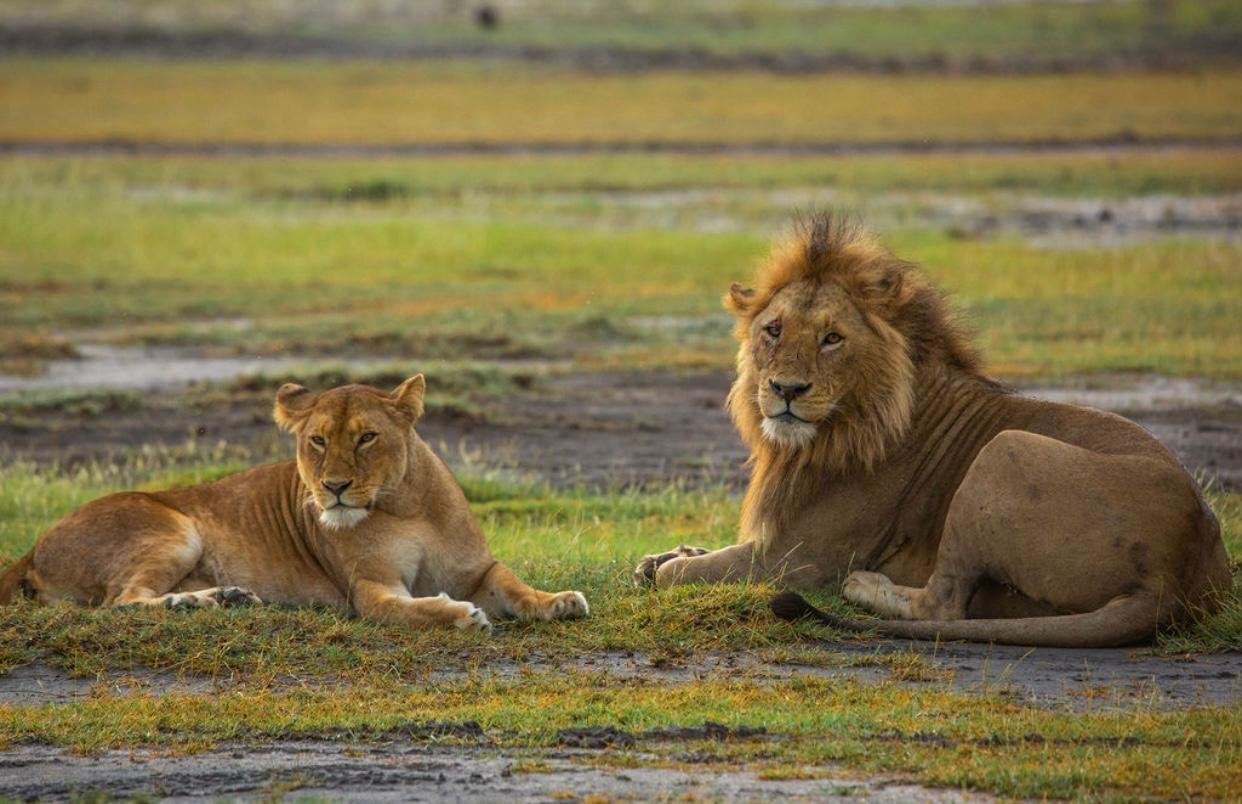
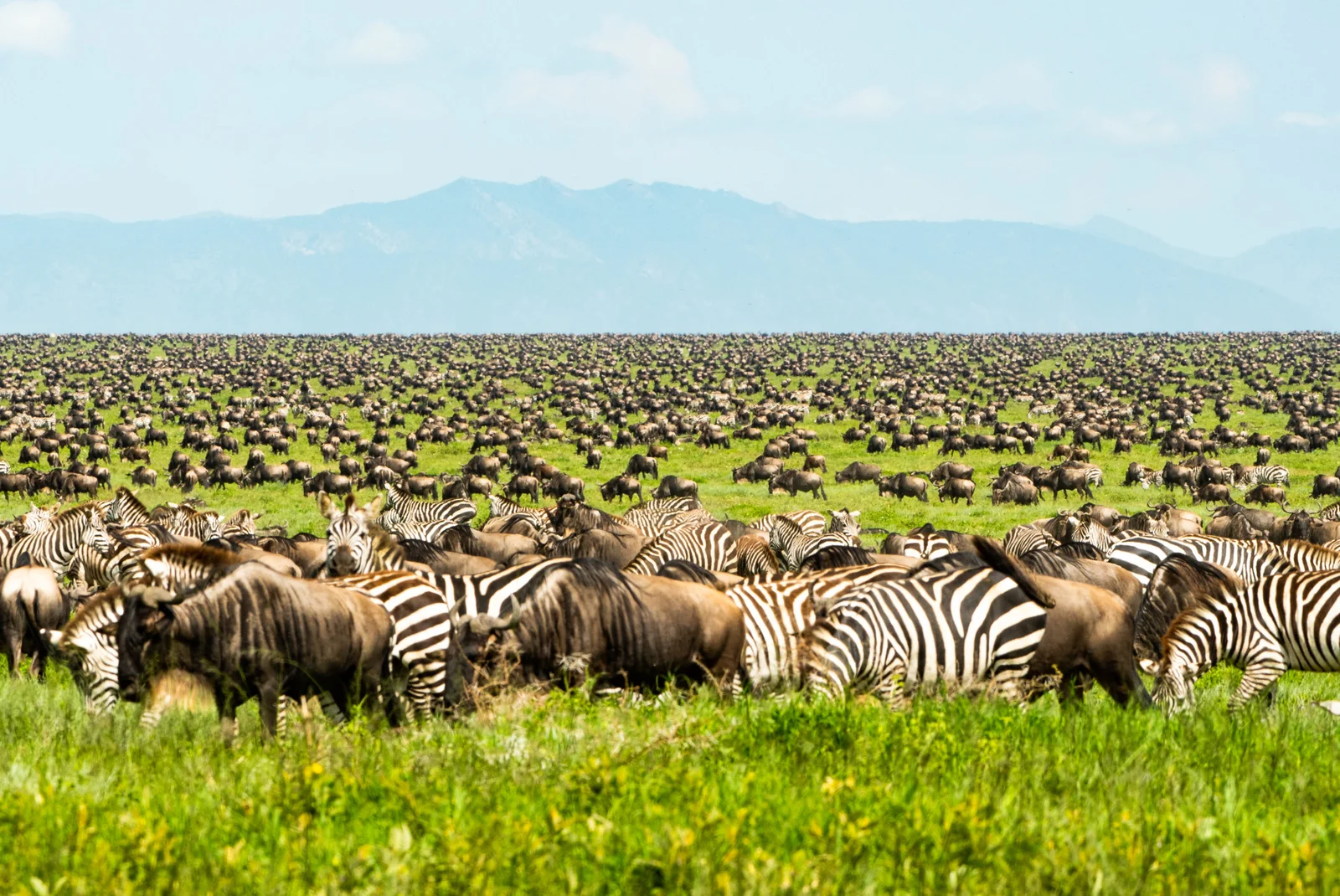
Lemosho offers better wildlife viewing opportunities, particularly in its early days. The route passes through areas where colobus monkeys, blue monkeys, and various bird species are commonly spotted. The Shira Plateau also occasionally hosts buffalo and elephant. Machame passes through good wildlife habitat in the rainforest zone but the higher-traffic nature of the route means animals are sometimes more elusive.
Do both routes have the same summit experience?
Yes. Both routes approach the summit via Barafu Camp and the same scree slope to Stella Point, then follow the crater rim to Uhuru Peak. The summit experience — the terrain, the altitude, the views, and the conditions — is identical regardless of whether you climbed Machame or Lemosho.
Should I combine both routes?
Some itineraries combine elements of both routes, typically starting on Lemosho and finishing on Machame or vice versa. These combination itineraries are designed to maximize acclimatization and scenery variety. They are longer than either standalone route and are offered by some operators. Ask your tour provider whether they offer a combined Lemosho-Machame itinerary if you want the best of both worlds.