7 Things to Know Before Climbing Mount Kilimanjaro
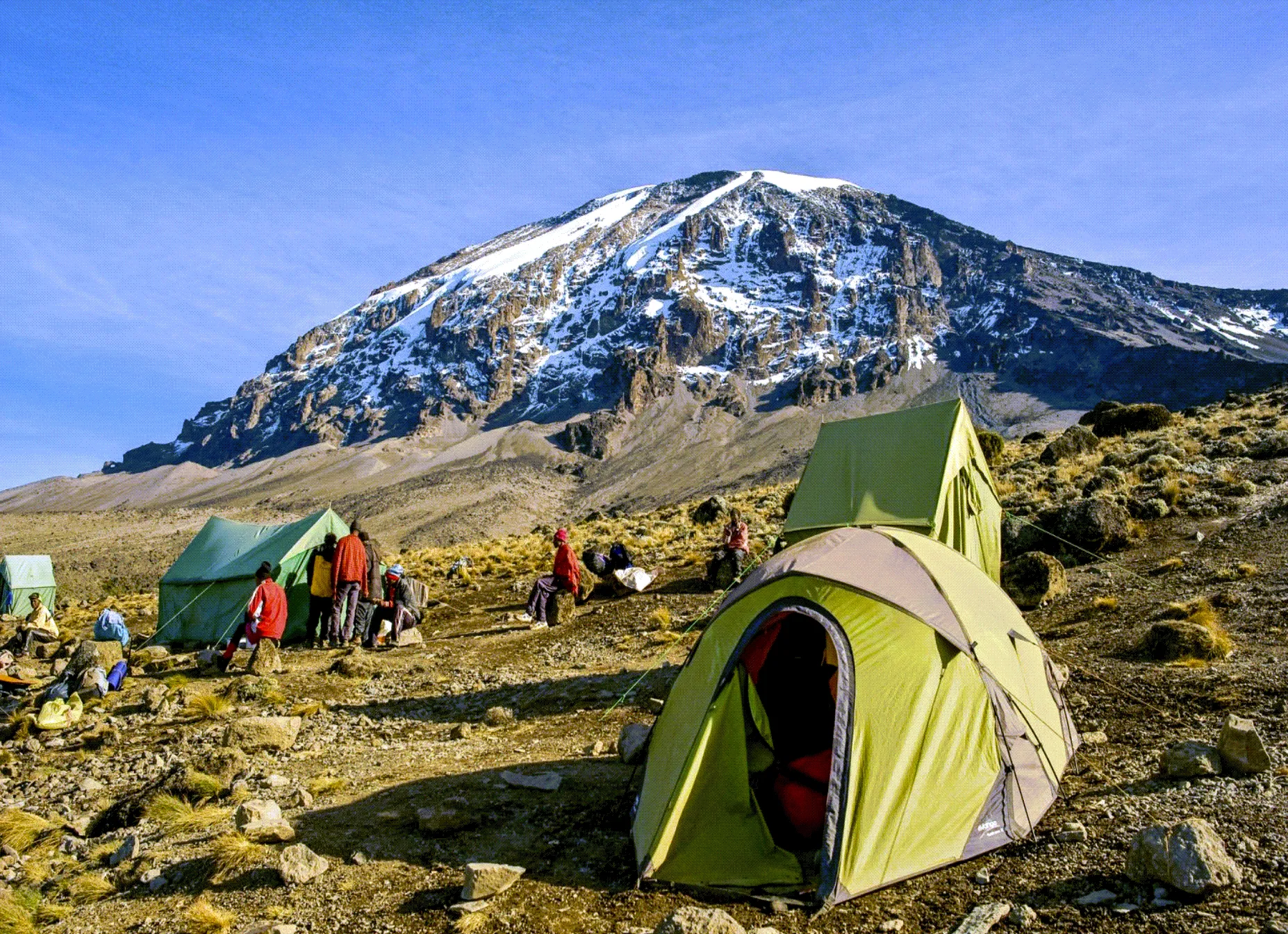
Climbing Mount Kilimanjaro is a bucket-list adventure for thousands of people every year. At 5,895 metres, Uhuru Peak is the highest point on the African continent and one of the most accessible high-altitude summits in the world. Unlike peaks that require technical climbing skills, Kilimanjaro can be reached by walking — but that does not mean it is easy. The altitude, the weather, and the physical demands of multi-day trekking present real challenges that can catch unprepared climbers off guard.
This guide covers seven essential things every first-time Kilimanjaro climber should understand before setting foot on the mountain. Consider this your practical, no-nonsense briefing from people who have been there.
1. Altitude Is the Real Challenge
Most people who fail to summit Kilimanjaro do not fail because they are not fit enough. They fail because of altitude sickness. Above 2,500 metres, your body begins to struggle with reduced oxygen. By 4,000 metres, there is roughly 40 percent less oxygen available than at sea level. At the summit, it is closer to 50 percent less.
Acute mountain sickness, commonly known as AMS, is the most common altitude-related problem. Symptoms include headache, nausea, loss of appetite, fatigue, and dizziness. In mild form, AMS is uncomfortable but manageable. In severe form, it can progress to life-threatening conditions such as high-altitude pulmonary oedema (HAPE) or high-altitude cerebral oedema (HACE).
The most important thing to understand about altitude is that it affects everyone differently. Fitness level does not predict who will get altitude sickness. Some very fit athletes suffer badly while less-fit individuals summit without problems. The only reliable strategy is gradual acclimatization — ascending slowly, allowing your body time to adjust, and listening to your body and your guides.
This is why route choice and itinerary duration matter so much. A seven or eight-day itinerary on a route with good acclimatization, such as the Lemosho route or the Machame route, gives your body the best chance of adjusting successfully. Shorter itineraries like the 5-day Marangu route compress the ascent and increase altitude sickness risk.
2. Slow and Steady Wins the Race
The pace on Kilimanjaro is deliberately slow. Your guides will set a walking speed that feels almost frustratingly leisurely at lower altitudes. There is a very good reason for this — conserving energy and maintaining a sustainable pace becomes critical as you gain altitude. The Swahili phrase "pole pole" (slowly, slowly) is the unofficial motto of every Kilimanjaro climb.
Typical walking speed on the mountain is two to three kilometres per hour. You will walk for three to four hours, take a break for lunch and rest, and then walk for another two to three hours before arriving at your next camp in the early afternoon. This routine allows time for your body to rest and begin acclimatizing at each new altitude.
Do not try to walk faster than your guides. Do not race ahead of the group. The temptation to push the pace is strong, especially for fit walkers who feel good in the early days. But the mountain always catches up with those who rush. By conserving energy in the first days, you preserve the physical resources you will need for summit night.
3. The Equipment You Bring Matters More Than You Think
Kilimanjaro takes you through five distinct climate zones, from tropical rainforest at the base to arctic conditions at the summit. You need clothing and equipment that works across this entire range. The layering system is the foundation of Kilimanjaro packing:
- Base layer: Moisture-wicking thermal tops and bottoms that pull sweat away from your skin
- Mid layer: Fleece or down jacket that provides insulation and traps body heat
- Outer layer: Waterproof and windproof shell that protects against rain and wind
- Extremities: Warm hat, insulated gloves, buff or balaclava, thick hiking socks
- Footwear: Broken-in waterproof hiking boots with ankle support
- Accessories: Headlamp with spare batteries, sunglasses with UV protection, trekking poles, 30-litre daypack
Your sleeping bag should be rated to minus 10 degrees Celsius or lower. Temperatures at high camps can drop well below freezing, particularly during summit night when conditions can reach minus 20 degrees Celsius with wind chill.
The single most common equipment mistake is wearing boots that have not been broken in. Blisters at 4,000 metres can end your climb. Buy your boots at least two months before departure and wear them on every training hike and daily walk. There are no second chances with footwear on this mountain.
4. Summit Night Is Both the Hardest and Most Rewarding Part
Summit night on Kilimanjaro is unlike anything most people have experienced. You leave your highest camp between midnight and 2:00 AM, walk through the darkness by headlamp, and climb steadily for five to seven hours to reach Uhuru Peak at sunrise. After fifteen to thirty minutes at the summit, you descend for three to four hours to a lower camp, often continuing further down on the same day.
The conditions during the summit push are extreme by any standard. Temperatures range from minus 15 to minus 25 degrees Celsius with wind chill. The wind can be fierce, particularly on exposed ridges. The air contains roughly half the oxygen found at sea level, so every step feels effortful. Your headlamp cuts a small circle of light in an otherwise pitch-black landscape, and the only sound is your breathing and the crunch of volcanic scree underfoot.
Many climbers describe summit night as the most difficult thing they have ever done, and also the most rewarding. Reaching Uhuru Peak as the sun rises over the African plains, with the glaciers glowing pink and gold around you, is an experience that stays with people for the rest of their lives. But getting there requires mental toughness, physical endurance, and the discipline to keep moving at an impossibly slow pace through the cold and dark.
Preparation for summit night includes proper acclimatization in the preceding days, carrying warm clothing in your daypack, eating and drinking even when you do not feel like it, and trusting that the discomfort is temporary. Your guides have made this climb hundreds of times and will keep you safe. Follow their lead.
5. Food, Water, and Rest Are Non-Negotiable
Your body is burning significantly more calories on Kilimanjaro than it would during normal daily activity. The altitude, the cold, and the physical exertion of multi-day trekking all increase your energy demands. Yet altitude also suppresses appetite, which creates a dangerous gap between what your body needs and what it wants to eat.
Eating well on the mountain is important. Your climbing crew includes a cook who prepares three meals each day along with afternoon tea and snacks. The food is simple but nutritious — think rice, pasta, soups, bread, eggs, and vegetables. Eat as much as you can at every meal, even if your appetite is reduced. Carbohydrates are particularly important because they are easier for your body to process at altitude than fats or proteins.
Hydration is equally critical. Dehydration is one of the leading contributors to altitude sickness, and it happens faster at altitude than most people realize. The dry mountain air, increased breathing rate, and physical exertion all cause fluid loss. Aim for three to four litres of water per day on the mountain. Carry a water bottle in your daypack and drink regularly, even when you do not feel thirsty. Electrolyte tablets can help replace minerals lost through sweating.
Rest is your body's primary recovery tool. Each afternoon at camp, after eating and drinking, get into your sleeping bag and rest. Do not stay up socialising or exploring the camp. Your body does its altitude adjustment work during sleep, so prioritise rest above everything else at camp.
6. Guides, Porters, and Crew Are Your Lifeline
Kilimanjaro National Park requires all climbers to be accompanied by a licensed guide. This is not just a bureaucratic rule — it is a critical safety measure. Your guide is trained in altitude first aid, knows the route intimately, monitors your condition throughout the climb, and makes the final decision about whether you continue or descend if altitude sickness symptoms become concerning.
Your climbing crew typically includes a lead guide, assistant guides, a cook, and porters. Porters carry your main luggage, set up camp, and prepare meals. The porters of Kilimanjaro do some of the most physically demanding work in the tourism industry, often carrying heavy loads in minimal footwear and basic clothing. Treat them with respect and kindness.
Build a relationship with your guides from the start. Tell them how you are feeling at every check-in. If you have a headache, say so. If you feel nauseous, speak up. Guides cannot help you with problems they do not know about. The communication between you and your guide is the single most important safety factor on the mountain.
Trust your guides' decisions about pace, rest stops, and acclimatization. They have seen thousands of climbers and know exactly what works. If your guide says it is time to drink water, drink water. If they say it is time to eat, eat. If they say you need to descend, descend without argument.
7. Mental Preparation Is as Important as Physical Fitness
Kilimanjaro is a mental game. There will be moments when you are cold, tired, and wondering why you chose to do this. There will be days when your legs ache, your stomach is unsettled, and the next camp seems impossibly far away. This is normal. Every single person who summits Kilimanjaro experiences these feelings.
The ability to keep moving at a slow, steady pace despite discomfort is what separates those who summit from those who do not. It is not about pushing through pain or ignoring serious symptoms — altitude sickness must always be taken seriously. It is about accepting that some parts of the climb will be uncomfortable and choosing to continue anyway.
Visualization is a powerful preparation tool. Before your climb, spend time imagining the experience — the early morning starts, the long walking days, the cold summit night, the triumph of reaching the peak. Read trip reports from other climbers to understand the full range of experiences you might have. Knowing that difficulty is part of the process makes it easier to handle when it arrives.
On the mountain, take each day as it comes. Do not fixate on the summit. Focus on reaching today's camp, eating a good meal, getting a good night's sleep, and tackling tomorrow when it arrives. The summit will take care of itself if you take care of each day.
Travel Insurance and Emergency Planning
Travel insurance is not optional for a Kilimanjaro climb. Your policy must explicitly cover high-altitude trekking up to 6,000 metres and emergency helicopter evacuation. Standard travel insurance policies frequently exclude altitude-related incidents, so read the fine print carefully and choose a policy designed for adventure travel.
Helicopter evacuations from Kilimanjaro are possible in emergencies but are expensive — often exceeding 10,000 US dollars. Without insurance, you would be personally liable for this cost. Carry a printed copy of your insurance policy and emergency contact numbers in your daypack at all times.
Emergency planning also means understanding the communication options on the mountain. Mobile phone coverage exists at some camps but is unreliable. Your guides carry radios for communication with the base team. In a medical emergency, the guide will stabilise the patient and coordinate evacuation if necessary.
Pre-Climb Checklist
- Passport valid for at least six months beyond travel dates
- Tanzanian visa obtained online or on arrival
- Travel insurance covering high-altitude trekking and helicopter evacuation
- All vaccinations up to date — consult a travel health clinic six weeks before departure
- Boots broken in for at least eight weeks
- All clothing and equipment packed and tested
- Medications including any personal prescriptions and altitude sickness medication if desired
- Electronics charged and spare batteries packed
- Arrival in Moshi or Arusha at least one day before climb begins
- Mental readiness to embrace discomfort and keep moving forward
Final Thoughts
Kilimanjaro is one of the great walking experiences on Earth. It does not require technical climbing skills, but it does demand respect. The mountain is beautiful, challenging, and at times unforgiving. With proper preparation, the right equipment, a good guide, and a patient mindset, the vast majority of reasonably fit people can reach the summit and stand at the highest point in Africa.
Take the preparation seriously. Train your body, break in your boots, understand the altitude, pack smart, and arrive ready. Then trust the process, trust your guides, and enjoy one of the most extraordinary journeys of a lifetime.
Frequently Asked Questions
How fit do I need to be to climb Kilimanjaro?
You do not need to be an elite athlete, but you should be able to walk for several hours on hilly terrain without excessive difficulty. An eight-week training program that includes walking, hiking with a loaded pack, stair climbing, and basic strength training is sufficient for most people. People of all ages summit Kilimanjaro, including those in their sixties and seventies.
What is the most common reason people fail to summit?
Altitude sickness is the most common reason. It is not related to fitness — even very fit climbers can suffer from AMS. The best prevention is choosing a route with good acclimatization, ascending slowly, staying hydrated, eating well, and listening to your body and your guides. If symptoms become severe, descending is always the correct decision.
Should I take Diamox for altitude sickness?
Diamox (acetazolamide) is a medication that can help prevent and reduce symptoms of acute mountain sickness. It is widely used on Kilimanjaro and is available over the counter in Tanzania. Discuss it with your doctor before departure. It is not a substitute for proper acclimatization, but it can provide an additional safety margin for those concerned about altitude.
Can I charge my phone on the mountain?
Some camps have basic charging facilities powered by solar panels, but availability is inconsistent and charging may be slow or cost a small fee. Do not rely on charging facilities. Bring a portable power bank fully charged and use your phone sparingly. Many climbers choose to leave their phones in their main luggage and bring a camera instead.
What happens if I cannot continue due to altitude sickness?
Your guide will assess your condition and make the safety decision. If you need to descend, you will be accompanied by a guide and possibly a porter. Descent is the primary treatment for altitude sickness and symptoms usually improve quickly once you drop in altitude. You will be escorted safely down the mountain and transported back to your hotel.
Is Kilimanjaro safe?
Kilimanjaro is generally safe when climbed with a reputable operator and experienced guides. The main risks are altitude-related illness, which is managed through proper acclimatization and guide monitoring, and the physical hazards of mountain trekking such as uneven terrain and weather exposure. Accidents and serious incidents are relatively rare given the number of climbers.
How much money should I budget for tips?
Tipping the climbing crew is an expected and important part of the Kilimanjaro experience. A general guideline is 10 to 15 percent of your total climb cost, distributed among the guide, assistant guides, cook, and porters. Your operator can provide specific recommendations. Bring enough US dollars in cash for tips — there are no ATMs on the mountain.
Can I bring children to climb Kilimanjaro?
Yes, children aged 10 and older can climb Kilimanjaro with parental consent and a licensed guide. The minimum age varies by route and operator. Children must be physically capable and mentally prepared for the demands of multi-day trekking at altitude. Some operators recommend the Rongai or Marangu routes for families because of their more gradual profiles.
What is the best time of year to climb?
The most popular periods are the long dry season from June to October and the short dry season from January to February. These months offer the most predictable weather and clearest skies. The long rains from March to May are generally not recommended due to heavy rainfall and poor visibility. The short rains from October to December can be acceptable with some afternoon showers.