
How Many Days Do You Need to Climb Kilimanjaro?
One of the most common questions people ask when planning a Kilimanjaro climb is: how many days will it take? The answer depends on which route you choose, your personal fitness level, and how well you want to acclimatize to the altitude. Kilimanjaro can be climbed in as few as five days on certain routes, but most climbers choose itineraries that range from six to nine days. Understanding what each duration involves is essential for choosing the right trip for your schedule, budget, and physical preparation.
This guide breaks down every common itinerary length, explains what happens each day, and helps you understand why more days on the mountain generally translates to a better experience and higher chances of reaching the summit.
Why Duration Matters on Kilimanjaro
The single most important factor in summit success on Kilimanjaro is acclimatization — the process by which your body adjusts to decreasing oxygen levels at higher altitudes. Your body needs time to produce more red blood cells, increase breathing rate, and make other physiological adjustments. Rushing through altitude zones without adequate time for these changes increases the risk of acute mountain sickness, headaches, nausea, and fatigue.
The general principle is simple: climb high, sleep low, and take your time. A longer itinerary builds in extra days for acclimatization, which means your body adjusts more gradually and you arrive at higher camps feeling stronger. A shorter itinerary compresses the ascent, which increases the physical strain on your body.
Five-Day Itineraries
Five-day Kilimanjaro itineraries exist on the Marangu route, which is the only route with hut accommodation along the way. This is the shortest standard duration offered by reputable operators. A typical five-day Marangu itinerary looks like this:
- Day 1: Margate Gate to Mandara Hut (approximately 2,700 metres)
- Day 2: Mandara Hut to Horombo Hut (approximately 3,700 metres)
- Day 3: Horombo Hut to Kibo Hut (approximately 4,700 metres)
- Day 4: Summit attempt and descent to Horombo Hut (approximately 3,700 metres)
- Day 5: Horombo Hut to Margate Gate and transfer to hotel
The five-day Marangu route is the fastest way up and down Kilimanjaro, but it also provides the least amount of acclimatization time. The jump from Horombo Hut at 3,700 metres directly to Kibo Hut at 4,700 metres on Day 3 is significant. This route is generally best suited for younger, very fit climbers who have previous high-altitude experience and want to minimize time off work.
Six-Day Itineraries
A six-day itinerary adds one extra day compared to the five-day version, and that single additional day makes a meaningful difference. The extra day typically allows for an acclimatization hike on Day 2 or Day 3, where you climb higher during the day and return to the same camp to sleep. This "climb high, sleep low" pattern is the gold standard for altitude adjustment.
Six-day itineraries are available on the Marangu route and the Umbwe route. The Umbwe route is the most direct and steepest path to the summit, and the six-day duration is the standard offering on that route.
A typical six-day Marangu itinerary adds a rest and acclimatization day at Horombo Hut, allowing an excursion toward Mawenzi Hut before returning to Horombo to sleep. This extra day significantly improves the body's ability to adjust before the high-altitude push to Kibo Hut.
Seven-Day Itineraries
The seven-day itinerary is the most popular duration for Kilimanjaro climbs and is offered on the Machame route, the Rongai route, and several others. Seven days provides a balanced approach that offers strong acclimatization without requiring an excessively long trip.
A typical seven-day Machame route itinerary includes:
- Day 1: Machame Gate to Machame Camp (approximately 3,000 metres)
- Day 2: Machame Camp to Shira Camp (approximately 3,850 metres)
- Day 3: Shira Camp to Lava Tower to Barranco Camp (approximately 3,950 metres) — acclimatization day with a climb to 4,600 metres and descent to camp
- Day 4: Barranco Camp to Karanga Camp (approximately 4,000 metres)
- Day 5: Karanga Camp to Barafu Camp (approximately 4,600 metres)
- Day 6: Summit attempt and descent to Mweka Camp (approximately 3,100 metres)
- Day 7: Mweka Camp to Mweka Gate and transfer to hotel
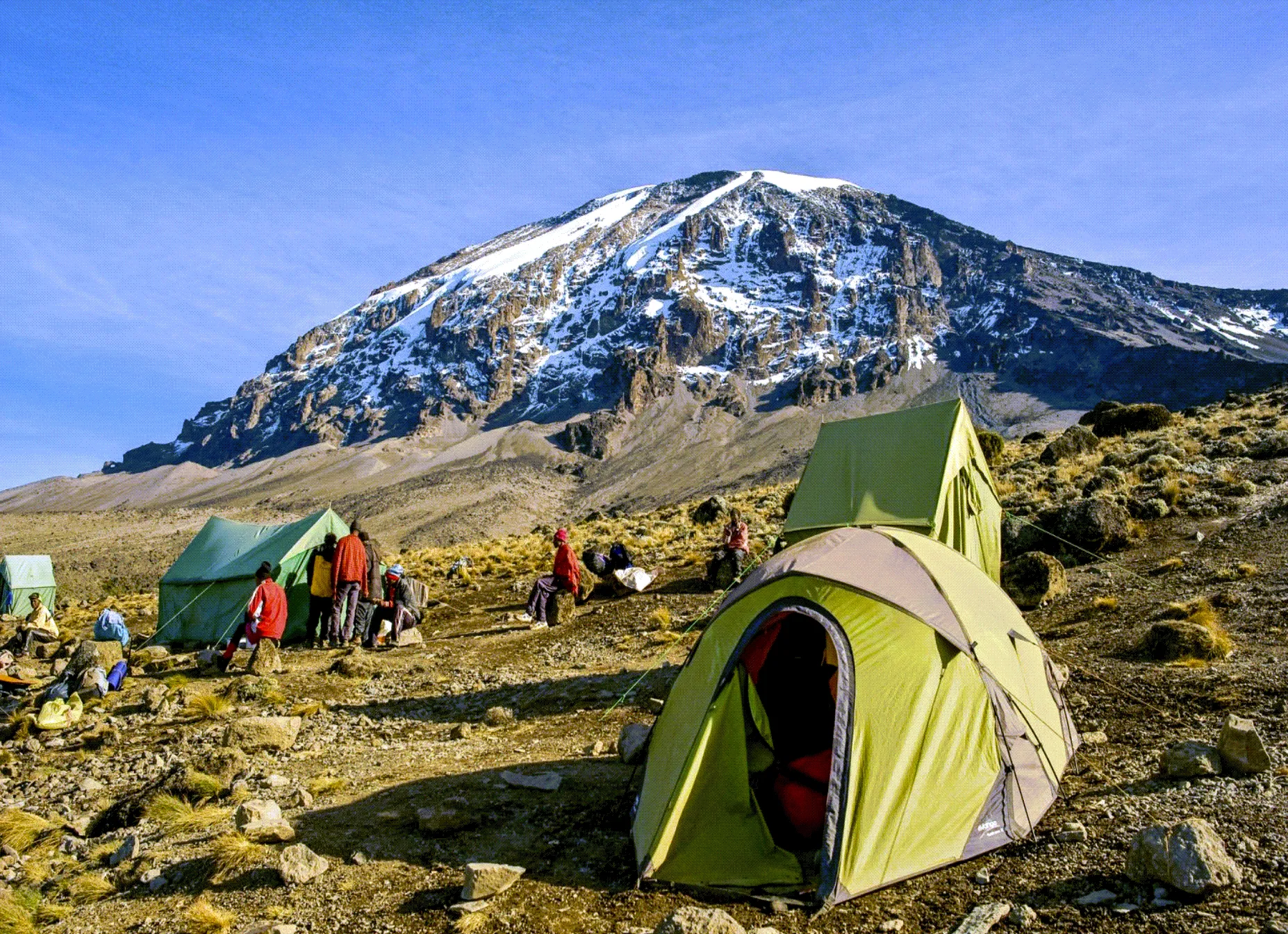
The Machame route is sometimes called the "Whiskey Route" and is known for its varied scenery and excellent acclimatization profile. The Day 3 climb to Lava Tower at 4,600 metres before descending to Barranco Camp is a textbook example of effective altitude adjustment.
The seven-day Rongai route approaches Kilimanjaro from the north side near the Kenyan border. It is drier and less crowded than southern routes, and the seven-day version provides good acclimatization with a relatively gentle ascent profile.
Eight-Day Itineraries
An eight-day itinerary provides even more acclimatization time and is offered on the Lemosho route, which is widely regarded as one of the best routes for acclimatization and scenic beauty. The Lemosho route approaches from the west and joins the Machame route at a later stage, spending more time in the lower and middle altitude zones where your body can adjust gradually.
A typical eight-day Lemosho itinerary includes:
- Day 1: Londorossi Gate to Forest Camp (approximately 2,800 metres)
- Day 2: Forest Camp to Shira Camp 1 (approximately 3,500 metres)
- Day 3: Shira Camp 1 to Shira Camp 2 (approximately 3,900 metres)
- Day 4: Shira Camp 2 to Lava Tower to Barranco Camp (approximately 3,950 metres) — acclimatization day
- Day 5: Barranco Camp to Karanga Camp (approximately 4,000 metres)
- Day 6: Karanga Camp to Barafu Camp (approximately 4,600 metres)
- Day 7: Summit attempt and descent to Mweka Camp (approximately 3,100 metres)
- Day 8: Mweka Camp to Mweka Gate and transfer to hotel
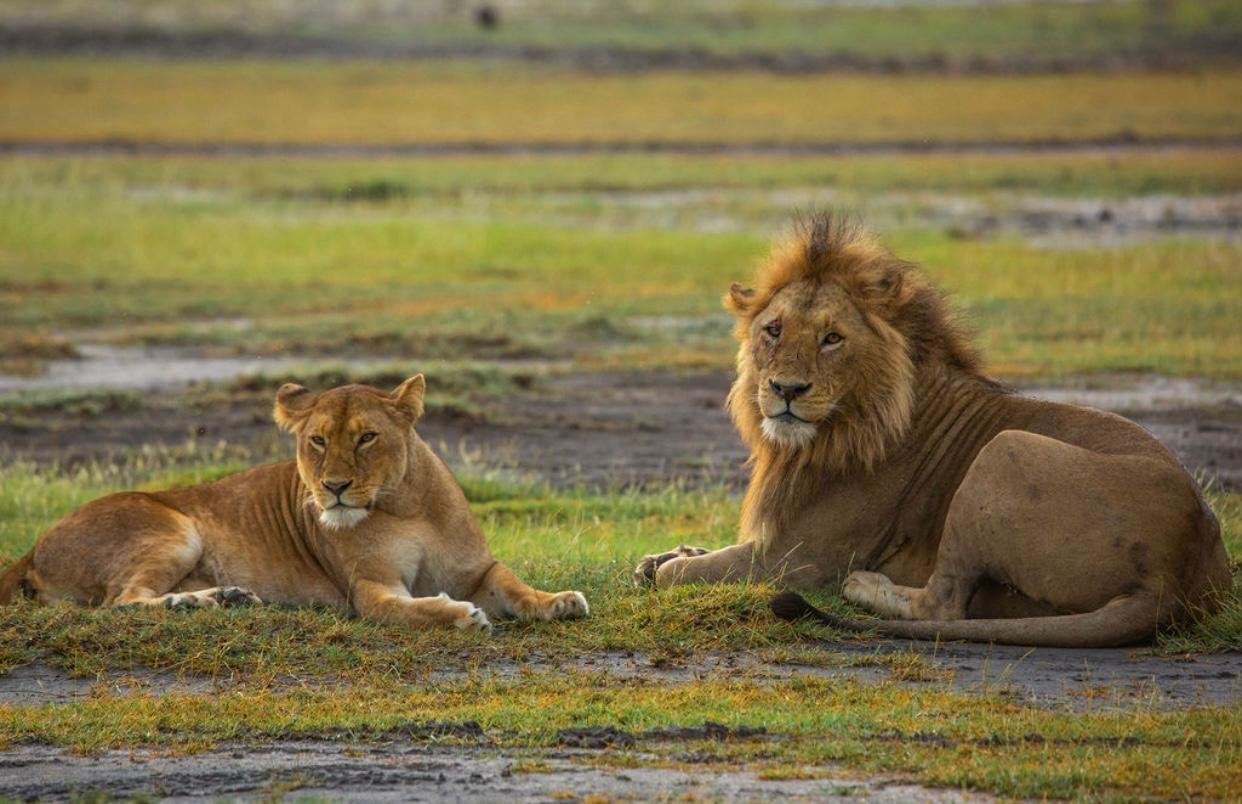
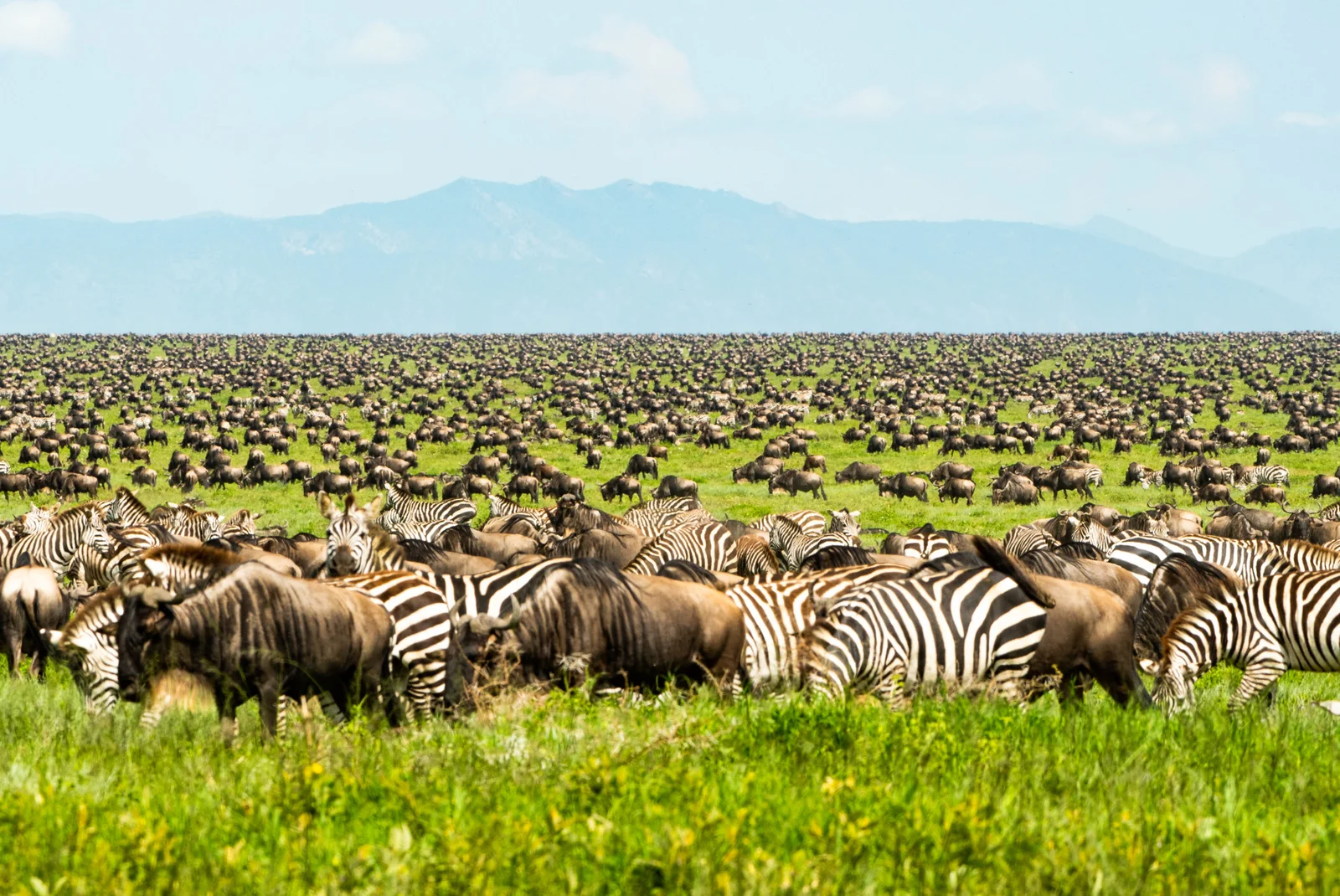
The eight-day Lemosho route gives your body two extra days at moderate altitudes before the high camps, which can make the difference between a comfortable summit day and a struggle. The route also offers outstanding wildlife viewing in the early days and some of the most dramatic scenery on the mountain.
Nine-Day Itineraries
The longest standard Kilimanjaro itinerary is nine days and is most commonly associated with the Northern Circuit route. This route circles the entire mountain from the north before approaching the summit from the east. It is the longest route on Kilimanjaro in terms of both distance and duration, but it provides the most thorough acclimatization of any standard itinerary.
The Northern Circuit spends multiple days in the moorland and alpine desert zones at moderate altitudes, allowing your body to adjust very gradually. The approach to the summit from the northeast is also less crowded than the southern approaches, offering a more solitary wilderness experience.
The nine-day duration is ideal for climbers who have the time and want to maximize their chances of summiting comfortably. It is also a good choice for those who want to experience Kilimanjaro's diverse ecosystems in depth rather than rushing through them.
Comparison Table: Kilimanjaro Itinerary Duration
| Duration | Common Routes | Acclimatization | Difficulty | Best For |
|---|---|---|---|---|
| 5 days | Marangu | Minimal | Harder due to rapid ascent | Fit, experienced trekkers with limited time |
| 6 days | Marangu, Umbwe | Moderate | Moderate to challenging | Fit climbers wanting a shorter trip |
| 7 days | Machame, Rongai | Good | Moderate | Most climbers, especially first-timers |
| 8 days | Lemosho | Very good | Moderate | Climbers wanting strong acclimatization |
| 9 days | Northern Circuit | Excellent | Lower due to gradual ascent | Climbers with extra time wanting the best acclimatization |
Daily Walking on Kilimanjaro
Regardless of the total itinerary length, typical days on Kilimanjaro involve six to nine hours of walking with breaks. Summit day is the exception — it is usually twelve to sixteen hours from camp to summit and back down to a lower camp. The walking is not technically difficult, but the altitude makes every step feel harder than it would at sea level.
You will typically walk for two to three hours, take a break for food and water, walk another two to three hours, and then arrive at your next camp in the early to mid-afternoon. This routine allows time for your body to rest and begin acclimatizing at each new altitude before moving higher.
Sleeping Altitude and Acclimatization
The altitude at which you sleep is more important than the altitude you reach during the day. Your body does most of its altitude adjustment during sleep. This is why the "climb high, sleep low" principle works so well — you expose your body to higher altitude during the day to stimulate adaptation, then descend to a lower altitude to sleep where oxygen is more available.
On longer itineraries, you spend more nights at moderate altitudes before moving to high camps, which gives your body a significant advantage when you finally push above 4,000 metres.
Summit Day Preparation
Summit day on Kilimanjaro typically begins around midnight or 1:00 AM. You will wake from your highest camp, eat a light meal, and begin the ascent by headlamp. The climb to the summit usually takes five to seven hours depending on the route and your pace. You reach the summit around sunrise, spend fifteen to thirty minutes taking photos and celebrating, and then begin the long descent.
The descent from the summit to the next lower camp takes three to four hours, and many itineraries continue further down to a much lower camp on the same day. This means summit day can involve twelve to sixteen hours of continuous walking. Being well-rested and well-acclimatized from the preceding days is critical.
Choosing the Right Duration
When choosing your itinerary duration, consider the following factors:
- Your schedule: How many days can you realistically take off work and travel?
- Your fitness level: Fitter climbers may be comfortable on shorter itineraries, but longer itineraries benefit everyone.
- Your altitude experience: If you have never been above 3,000 metres, a longer itinerary is strongly recommended.
- Your budget: Longer itineraries cost more because of additional park fees, crew wages, and food.
- Your goals: If you want to enjoy the scenery and wildlife, a longer itinerary provides more time. If you want to reach the summit as efficiently as possible, a shorter itinerary may appeal, but understand the trade-offs.
There is no single correct answer. The best duration is the one that matches your personal circumstances and gives you the best chance of a safe, enjoyable, and successful climb.
Frequently Asked Questions
What is the most popular Kilimanjaro itinerary length?
The seven-day itinerary is the most popular choice. It provides a good balance between acclimatization time, total trip duration, and cost. The seven-day Machame route and the seven-day Rongai route are the most commonly booked itineraries.
Can I climb Kilimanjaro in five days?
Yes, the five-day Marangu route is the shortest standard itinerary. However, it provides the least acclimatization time and is generally not recommended for first-time high-altitude trekkers. If your schedule only allows five days, ensure you are physically fit and have some prior experience at altitude.
Does a longer itinerary increase my chance of reaching the summit?
Longer itineraries provide more acclimatization time, which generally improves how you feel at altitude and reduces the risk of altitude sickness. A comfortable climber who feels well is more likely to reach the summit than someone struggling with headaches and nausea from a rushed ascent.
How many hours per day will I walk?
Most days involve six to nine hours of walking including breaks. Summit day is significantly longer at twelve to sixteen hours. The walking pace is slow — typically two to three kilometres per hour — because of the altitude and terrain.
What if I need more days than my itinerary allows?
If you develop altitude sickness symptoms and need to descend, your guides will make the safety decision regardless of your planned itinerary. It is always better to descend and recover than to push through altitude sickness. Some climbers add a rest day in Moshi or Arusha after their climb before flying home.
Is the Lemosho route really better than shorter routes?
The eight-day Lemosho route is widely considered excellent for acclimatization and scenery, but "better" depends on your priorities. If you want a shorter trip with hut accommodation, Marangu may suit you. If you want the most scenic and well-acclimatized experience, Lemosho is hard to beat. Each route has its own character and advantages.
How far in advance should I book my Kilimanjaro climb?
Book at least three to six months in advance, particularly if you want to climb during peak seasons (June to October and December to February). Popular routes and operators fill up quickly during these periods. Booking early also gives you more time to train and prepare.