Kilimanjaro Routes Explained: Machame, Lemosho, Marangu, Rongai and Northern Circuit
Choosing the right route is one of the most important decisions you will make when planning your Kilimanjaro climb. There are seven official routes to the summit, each with its own character, terrain, scenery, acclimatization profile, and atmosphere. Some routes are busier than others. Some are steeper and more direct. Some wind through dense rainforest while others traverse open moorland and alpine desert. Understanding what each route offers helps you select the one that best matches your preferences, fitness level, and goals.
This guide covers the five most popular Kilimanjaro routes in detail, providing a comprehensive comparison so you can make an informed choice.
The Machame Route ("Whiskey Route")
The Machame route is one of the most popular paths on Kilimanjaro, second only to Marangu in the number of climbers who choose it each year. It is sometimes called the "Whiskey Route" because of the lively atmosphere at the camps and the availability of drinks at the hut camps along the way. The route is known for its excellent scenery, varied terrain, and strong acclimatization profile.
Starting point: Machame Gate, located on the southern slope of Kilimanjaro at approximately 1,800 metres.
Duration: Six or seven days. The seven-day version is more common and provides an additional acclimatization day.
Terrain: The Machame route passes through all five ecological zones. You begin in lush rainforest, emerge into open moorland with giant heathers and lobelias, cross the stark alpine desert near Lava Tower, and finally traverse the icy summit zone. The terrain includes well-defined trails, rocky scrambles (particularly the Barranco Wall), and sections of loose scree.
Scenery: Machame is considered one of the most scenic routes on Kilimanjaro. The views from the Shira Plateau are expansive, the Barranco Wall offers dramatic cliff-side walking, and the approach to the summit provides panoramic views of the surrounding glaciers and the plains below.
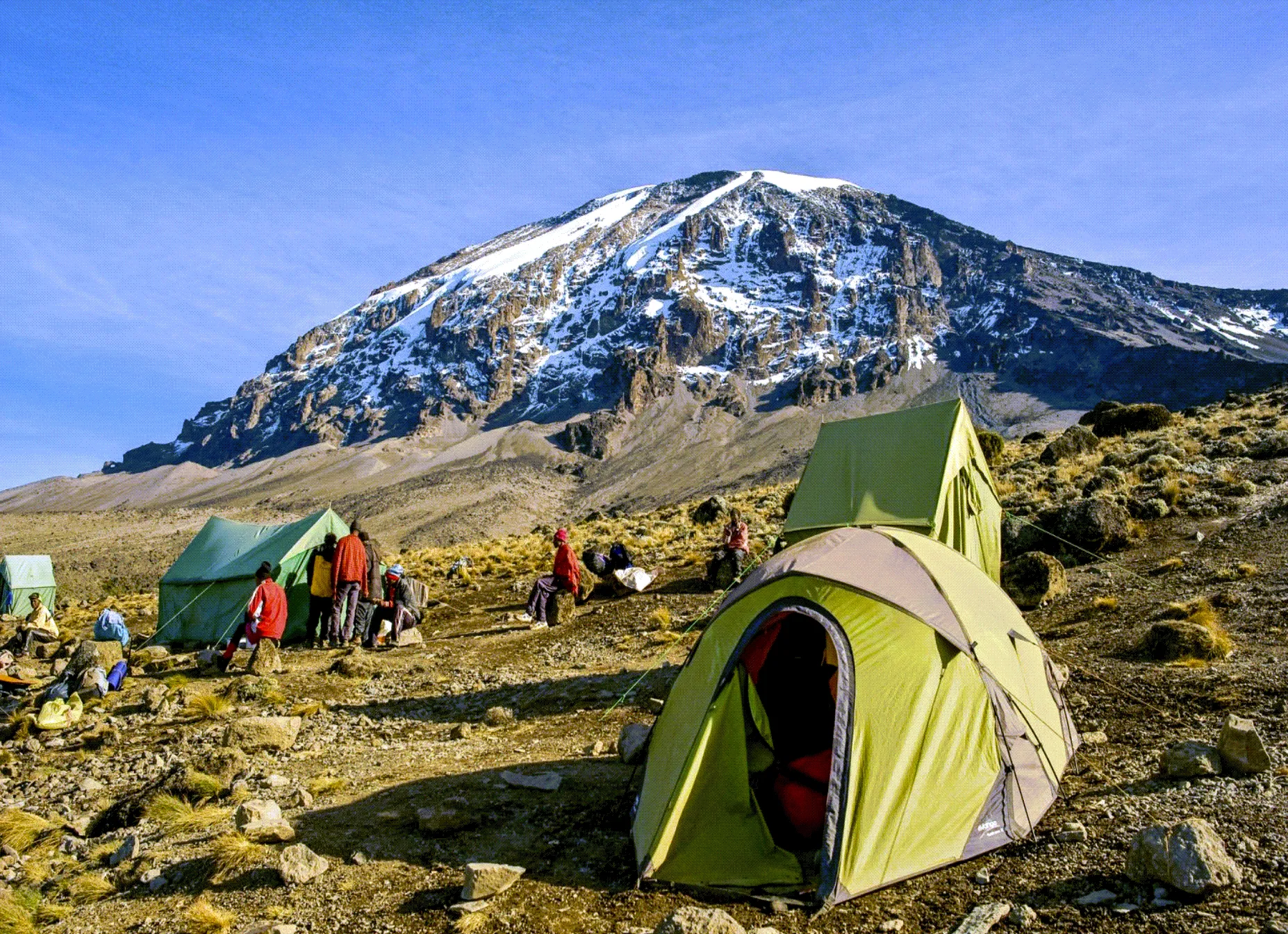
Accommodation: Tent camping. All overnight stays are in tents set up at designated campsites. This means you sleep close to nature and enjoy the mountain atmosphere fully.
Acclimatization: The seven-day Machame route provides good acclimatization through a climb-high-sleep-low day at Lava Tower (4,600 metres) before descending to Barranco Camp (3,950 metres). This is a proven acclimatization strategy that helps the body adjust effectively.
Difficulty: Moderate to moderately challenging. The Barranco Wall on Day 4 requires some light scrambling using hands and feet, but it is not technical climbing. The overall pace is steady but manageable for reasonably fit trekkers.
Who it suits: First-time Kilimanjaro climbers, those who enjoy varied scenery and tent camping, and anyone looking for a well-established route with strong acclimatization. The Machame route is an excellent all-rounder.
Learn more about the 7-day Machame route itinerary.
The Lemosho Route
The Lemosho route is widely regarded as one of the best routes on Kilimanjaro for acclimatization, scenery, and overall experience. It approaches from the west side of the mountain, passes through pristine forest, and joins the Machame route at a later stage before continuing to the summit. The route is newer than Machame and Marangu and was designed with acclimatization in mind.
Starting point: Londorossi Gate, located on the western slope of Kilimanjaro at approximately 2,100 metres.
Duration: Seven or eight days. The eight-day version is the standard offering and provides the best acclimatization of any common route.
Terrain: Like Machame, the Lemosho route passes through all five ecological zones. The initial days traverse beautiful montane forest with excellent wildlife viewing potential, including colobus monkeys, blue monkeys, and various bird species. The route then crosses the Shira Plateau — one of the largest high-altitude plateaus in the world — before joining the Machame route for the final approach to the summit.
Scenery: Lemosho offers outstanding scenery throughout. The western approach provides a different perspective than the more commonly travelled southern routes. The Shira Plateau is vast and otherworldly, and the views of Kibo Peak from the western side are spectacular.
Accommodation: Tent camping throughout, similar to Machame.
Acclimatization: The eight-day Lemosho route is considered to have the best acclimatization profile of any standard Kilimanjaro route. The extra day in the moorland zone allows for a thorough climb-high-sleep-low acclimatization day at Lava Tower. The slower ascent through the lower zones also gives your body more time to adjust before reaching the high camps.
Difficulty: Moderate. The overall ascent is well-paced and the terrain is similar to Machame. The Barranco Wall is encountered on this route as well, but the slow build-up of altitude means most climbers feel well-prepared for it.
Who it suits: Climbers who want the strongest possible acclimatization, those who appreciate pristine wilderness and lower crowd levels, and anyone with the time for an eight-day itinerary. Lemosho is an excellent choice for first-time high-altitude trekkers.
Learn more about the 8-day Lemosho route itinerary.
The Marangu Route ("Coca-Cola Route")
The Marangu route is the oldest and most established route on Kilimanjaro, sometimes called the "Coca-Cola Route" because of the relative comfort of its hut accommodation. It is the only route that offers dormitory-style hut lodging instead of tent camping, which appeals to some climbers. The Marangu route is also the most direct path to the summit on the eastern side of the mountain.
Starting point: Marangu Gate, located on the southeastern slope of Kilimanjaro at approximately 1,800 metres.
Duration: Five or six days. The five-day version is the shortest standard itinerary on Kilimanjaro, while the six-day version adds an acclimatization day at Horombo Hut.
Terrain: The Marangu route passes through rainforest, moorland, and alpine desert. The terrain is generally well-maintained with clear paths and stone steps in many sections. The route follows a relatively direct line up the mountain, which means less variation in scenery compared to Machame or Lemosho but a more straightforward ascent.
Scenery: The scenery on the Marangu route is pleasant but less dramatic than some alternatives. The rainforest section is beautiful, the moorland zone offers open views, and the approach to the summit provides good panoramas. However, the route retraces itself on the descent, so you see the same scenery twice.
Accommodation: Hut camping in dormitory-style mountain huts. Each hut has bunk beds and basic facilities. This is the main difference from other routes — no tents, no sleeping on the ground, and shelter from the elements regardless of weather.
Acclimatization: The five-day Marangu route provides the least acclimatization of any standard itinerary. The six-day version adds one acclimatization day, which improves things significantly but still provides less adjustment time than seven or eight-day routes. The direct ascent profile means you gain altitude relatively quickly.
Difficulty: Moderate in terms of terrain, but the rapid altitude gain on the five-day version can make it feel harder. The hut accommodation is a comfort advantage, but the steeper daily altitude gains can result in more altitude sickness symptoms compared to longer routes.
Who it suits: Climbers who prefer hut accommodation over tent camping, those with limited time who want the shortest possible itinerary, and experienced trekkers comfortable with faster altitude gain. The six-day version is generally preferred over the five-day for better acclimatization.
Learn more about the 6-day Marangu route itinerary.
The Rongai Route
The Rongai route approaches Kilimanjaro from the north, near the Kenyan border. It is the driest route on the mountain because it sits in the rain shadow of the prevailing southeast winds. The Rongai route is less crowded than the southern approaches and offers a quieter, more wilderness-oriented experience.
Starting point: Nalemuru Gate, located on the northern slope of Kilimanjaro at approximately 2,000 metres.
Duration: Six or seven days. The seven-day version provides better acclimatization with additional time in the middle zones.
Terrain: The Rongai route begins in cultivated farmland and ascends through heath and moorland. The terrain is generally gentler than Machame or Umbwe, with fewer steep sections and no equivalent of the Barranco Wall. The route approaches the summit from the northeast, merging with the Marangu route near Kibo Hut.
Scenery: The northern approach offers a different perspective than the more commonly photographed southern routes. The landscape is drier and more open, with wide views of the plains stretching toward Kenya. Wildlife sightings, including antelope and various bird species, are possible in the lower sections. The summit approach from the north provides dramatic views of the glaciers.
Accommodation: Tent camping throughout, similar to Machame and Lemosho.
Acclimatization: The seven-day Rongai route provides good acclimatization through a gradual ascent profile. The extra day allows for acclimatization hikes in the moorland zone before the push to the high camps. The gentler overall gradient also helps with acclimatization.
Difficulty: Moderate. The terrain is generally less technical than Machame (no Barranco Wall equivalent), but the altitude still presents the same challenges. The drier conditions can make some sections dustier.
Who it suits: Climbers who want a quieter experience away from the crowds, those who prefer gentler terrain, and anyone who appreciates the drier conditions of the northern approach. The Rongai route is also a good option during the shorter rainy season when southern routes may be wetter.
Learn more about the 7-day Rongai route itinerary.
The Northern Circuit Route
The Northern Circuit route is the longest standard route on Kilimanjaro, circling the entire mountain from the north before approaching the summit from the east. It was designed to provide the most thorough acclimatization of any route and passes through the most diverse range of scenery.
Starting point: Londorossi Gate, the same starting point as the Lemosho route.
Duration: Nine days. This is the longest standard itinerary and provides the most acclimatization time.
Terrain: The Northern Circuit traverses the entire circumference of the mountain, passing through rainforest, moorland, alpine desert, and the summit zone. The terrain varies from well-maintained forest trails to rocky alpine paths. The route is long but the daily walking distances are manageable because the extra days spread the ascent over a longer period.
Scenery: The Northern Circuit offers the most diverse scenery of any Kilimanjaro route because it circumnavigates the mountain. You see different faces of Kilimanjaro from multiple angles, and the varied ecosystems provide constantly changing landscapes. The northern side is less visited and feels more remote and wild.
Accommodation: Tent camping throughout.
Acclimatization: The Northern Circuit provides the best acclimatization of any standard Kilimanjaro route. Multiple days at moderate altitude allow your body to adjust very gradually, and the climb-high-sleep-low opportunities are excellent. The result is that most climbers feel strong and well-acclimatized by the time they reach the high camps.
Difficulty: Lower in terms of daily exertion because of the gradual ascent, but the total number of days makes this a longer commitment. The overall experience is less physically demanding day-to-day compared to shorter routes because your body has more time to adjust at each altitude.
Who it suits: Climbers with the time and budget for a nine-day itinerary, those who want the best possible acclimatization, and anyone who wants to experience Kilimanjaro in its entirety rather than just one side of the mountain. The Northern Circuit is an exceptional choice for those who can commit to the longer duration.
Learn more about the 9-day Northern Circuit route.
The Umbwe Route
The Umbwe route is the most direct and steepest path to the summit of Kilimanjaro. It approaches from the south and gains altitude rapidly, making it one of the most challenging routes. The Umbwe route is less popular than Machame or Lemosho because of its difficulty and the reduced acclimatization time, but it appeals to experienced trekkers who want a more demanding ascent.
Starting point: Umbwe Gate, located on the southern slope at approximately 1,800 metres.
Duration: Six days. The standard Umbwe itinerary is compact and direct.
Terrain: The Umbwe route is steep and rugged from the start. The trail climbs quickly through dense rainforest before emerging into moorland. The terrain includes steep sections, loose rock, and some scrambling. The route is less maintained than others, giving it a more wilderness feel.
Scenery: The scenery is dramatic because of the steep terrain and rapid elevation gain. The rainforest section is dense and atmospheric, and the views from the higher sections are excellent. However, the focus on the Umbwe route is more on the physical challenge than on leisurely sightseeing.
Accommodation: Tent camping throughout.
Acclimatization: The Umbwe route provides less acclimatization time than longer routes because of its direct profile. The rapid altitude gain increases the risk of altitude sickness and makes this route more suitable for experienced high-altitude trekkers.
Difficulty: Challenging. The steep terrain, rapid altitude gain, and less-maintained trail make this the most physically demanding standard route. It is not recommended for first-time Kilimanjaro climbers.
Who it suits: Experienced trekkers looking for a more challenging ascent, those who prefer less crowded trails, and climbers who enjoy rugged, less-developed terrain. The Umbwe route is for those who want a tougher experience.
Learn more about the 6-day Umbwe route itinerary.
Detailed Route Comparison Table
| Feature | Machame | Lemosho | Marangu | Rongai | Northern Circuit |
|---|---|---|---|---|---|
| Duration | 6–7 days | 7–8 days | 5–6 days | 6–7 days | 9 days |
| Accommodation | Tents | Tents | Huts | Tents | Tents |
| Acclimatization | Good | Very good | Moderate | Good | Excellent |
| Scenery | Outstanding | Outstanding | Pleasant | Good | Outstanding |
| Crowd Level | Busy | Moderate | Very busy | Quiet | Very quiet |
| Terrain | Varied, some scrambling | Varied, moderate | Gentle, well-maintained | Gentle, dry | Varied, long distances |
| Difficulty | Moderate | Moderate | Moderate | Moderate | Lower daily effort |
| Best For | First-timers, varied scenery | Best acclimatization | Hut comfort, short trip | Quiet, dry conditions | Maximum acclimatization |
Factors to Consider When Choosing a Route
No single route is objectively better than the others. The best route for you depends on several personal factors:
- Time available: If you have limited time, the Marangu or Machame routes fit into shorter windows. If you have nine days or more, the Northern Circuit provides an exceptional experience.
- Budget: Longer itineraries cost more because of additional park fees, crew wages, and food. Tent camping routes and hut routes are generally similar in price for the same duration.
- Crowd tolerance: Machame and Marangu are the busiest routes. Rongai and the Northern Circuit are significantly quieter. If solitude matters to you, consider the less-travelled options.
- Acclimatization priority: If you have never been to high altitude before, routes with longer durations and better acclimatization profiles — Lemosho, Northern Circuit, or seven-day Machame — are wise choices.
- Scenery preferences: All routes offer good scenery, but they differ in character. Machame and Lemosho are considered the most scenic overall. The Rongai route offers a unique northern perspective. Marangu is more straightforward but less varied.
- Accommodation preference: If you prefer a bed and a roof over your head, the Marangu route with its hut accommodation is the only option that provides this. All other routes use tent camping.
Frequently Asked Questions
Which Kilimanjaro route has the highest success rate?
Success rates are not officially published by route, but routes with longer durations and better acclimatization profiles generally produce higher summit rates. The Northern Circuit and Lemosho routes, with their extended acclimatization periods, are often cited by operators as having strong success rates. However, individual fitness, acclimatization response, and weather all play significant roles regardless of route.
Can I switch routes after booking?
In most cases, yes, but it depends on your operator and availability. Route changes may involve additional fees or adjustments to your itinerary. It is best to make your route decision before booking, but if you have concerns about your chosen route, discuss them with your operator as early as possible.
Is the Barranco Wall dangerous?
The Barranco Wall on the Machame and Lemosho routes is a steep rock face that requires some light scrambling using hands and feet. It is not technical climbing, and no ropes or special equipment are needed. Most climbers find it challenging but manageable. The wall is one of the most photographed features on Kilimanjaro and provides a memorable sense of accomplishment.
Do all routes reach the same summit?
Yes, all routes lead to Uhuru Peak at 5,895 metres. The routes differ in their approach paths, but they all converge at the summit. Some routes approach from the south, others from the west, north, or east, but the final destination is the same.
Which route is best for avoiding crowds?
The Northern Circuit route is the quietest because of its longer duration and later start time. The Rongai route on the northern side is also significantly less crowded than the southern approaches. Within any route, earlier departure times and less popular seasons also reduce encounters with other climbing groups.
Can I do Kilimanjaro without a guide?
No. Kilimanjaro National Park requires all climbers to be accompanied by a licensed guide. This is a safety regulation that applies to every route. Your guide will be experienced, trained in altitude first aid, and familiar with the specific route you are climbing.
What is the difference between tent camping and hut accommodation?
Tent camping means sleeping in a two-person dome tent set up at designated campsites. Huts are permanent dormitory-style structures with bunk beds. Tents provide more flexibility and a closer connection to the mountain environment. Huts offer protection from rain and wind and a more stable sleeping surface. Both are comfortable options, and the choice often comes down to personal preference.
Are there routes that avoid the Barranco Wall?
Yes. The Barranco Wall is only encountered on routes that traverse the southern circuit — Machame, Lemosho, and the Northern Circuit. The Marangu, Rongai, and Umbwe routes do not include the Barranco Wall. If you specifically want to avoid this section, choose one of those routes.