How to Prepare for Your First Kilimanjaro Climb
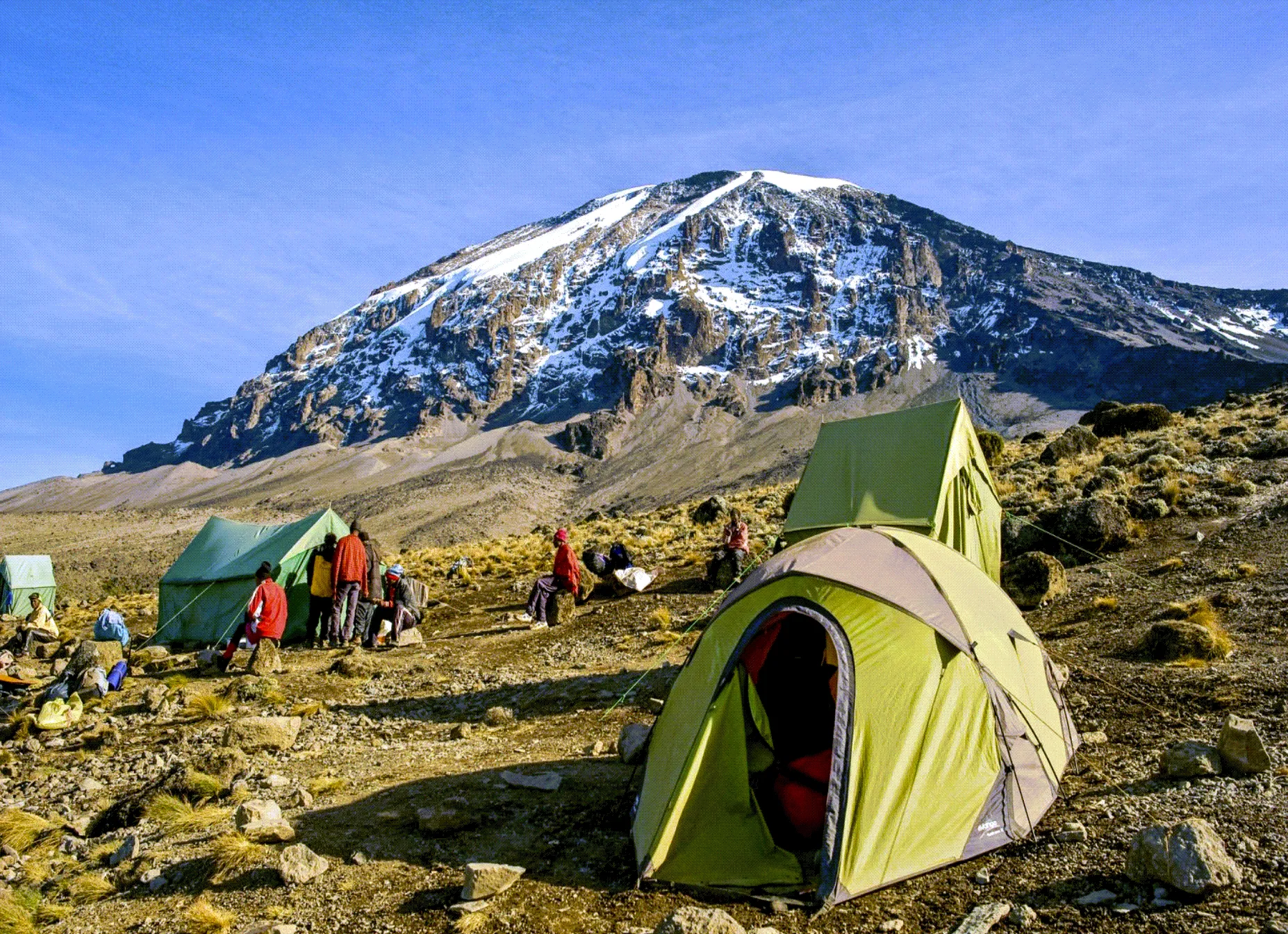
Standing on the summit of Mount Kilimanjaro is one of the most transformative experiences a person can have. At 5,895 meters above sea level, Uhuru Peak marks the highest point on the African continent and the roof of Tanzania. But reaching that iconic signpost is not simply a matter of showing up and walking uphill. The difference between a successful summit and an early descent often comes down to weeks and months of careful preparation.
Whether you have booked a 7-day Machame route, an 8-day Lemosho route, or any other itinerary, this guide will walk you through a complete preparation timeline so you arrive in Tanzania physically ready, mentally sharp, and properly equipped.
Why Preparation Matters
Kilimanjaro is sometimes marketed as a trek that requires no technical climbing skills. That is technically true — there are no ropes, no crampons, and no rock faces to scale on the standard routes. However, the altitude is unforgiving. Your body must cope with roughly half the oxygen available at sea level by the time you reach the summit. Poor fitness, inadequate equipment, dehydration, and insufficient acclimatization are the most common reasons climbers fail to reach the top.
The good news is that with a structured preparation plan, the vast majority of reasonably fit people can summit successfully. The key is giving yourself enough time and following a progressive training program.
Eight-Week Kilimanjaro Preparation Plan
The following table provides a week-by-week breakdown of what you should focus on in the two months leading up to your climb. Adjust the intensity based on your current fitness level, but aim to follow the general progression.
| Week | Cardio Focus | Strength Focus | Hiking Practice | Other Activities |
|---|---|---|---|---|
| Week 1–2 | 3 sessions per week of brisk walking or light jogging, 30–40 minutes each | Bodyweight squats, lunges, step-ups, 2 sets of 15 repetitions | One easy weekend walk of 2–3 hours on varied terrain | Begin breaking in your hiking boots at home |
| Week 3–4 | 4 sessions per week including interval training, 35–45 minutes | Add weight to step-ups (use a backpack with books), planks, calf raises | One weekend hike of 3–4 hours with a light daypack | Start a hydration habit — drink 2–3 litres of water daily |
| Week 5–6 | 4–5 sessions per week including hill climbs or stair workouts, 45–60 minutes | Weighted step-ups with increasing load, single-leg squats, core work | One longer weekend hike of 5–6 hours with a loaded pack (8–10 kg) | Practice walking at a slow, sustained pace — do not rush |
| Week 7–8 | 3–4 sessions per week, moderate intensity, maintaining base fitness | Maintenance only — do not add new exercises this close to departure | One final long hike of 6–8 hours if possible | Finalize packing, rest well, stay hydrated, reduce alcohol intake |
Fitness Training in Detail
Walking and Hiking: The single best preparation for Kilimanjaro is walking with elevation gain. Find hills, stairs, or inclines in your area and walk them regularly. The Lemosho and Machame routes involve sustained uphill walking for several hours each day, so your legs need to be conditioned for repetitive climbing.
Cardio Endurance: Kilimanjaro days can involve 6 to 9 hours of walking. You do not need to run a marathon, but you should be able to walk briskly for several hours without becoming excessively winded. Activities like cycling, swimming, and rowing are excellent cross-training options that build cardiovascular endurance without the joint impact of running.
Strength Training: Your quadriceps, calves, glutes, and core muscles do the heavy lifting on the mountain. Step-ups are the most transferable exercise because they replicate the climbing motion. If you have access to a gym, use the step platform. At home, use a sturdy bench, staircase, or box. Add weight progressively to simulate carrying a daypack.
Stair Training: If you live in a flat area, staircases in buildings, stadiums, or parking garages become your best friend. Climbing stairs for 20 to 30 minutes at a moderate pace builds both leg strength and cardiovascular capacity simultaneously.
Walking with a Backpack: Once you are four weeks out from departure, start training with a loaded pack. Your daypack on Kilimanjaro will weigh between 6 and 10 kilograms depending on what you carry. Walking with weight changes your balance, your posture, and your energy expenditure. Do not leave this for the mountain.
Breaking in Your Boots
This cannot be stressed enough: never wear new boots on Kilimanjaro. Buy your hiking boots at least two months before departure and wear them on every training hike and as many daily walks as possible. The boots should be fully broken in with no hot spots, pressure points, or areas of friction. Once on the mountain, you will be walking through mud, scree, loose volcanic rock, and snow. Blisters at 4,000 metres can end your trek.
Choose boots that are waterproof, ankle-supporting, and compatible with the socks you plan to wear. Test your complete foot system — boots, socks, and any insoles — on long walks before you fly to Tanzania.
Nutrition and Hydration
In the weeks before your climb, focus on a balanced diet rich in complex carbohydrates, lean proteins, healthy fats, and plenty of vegetables. Carbohydrates are your primary fuel source at altitude and your body stores them as glycogen in the muscles. A well-nourished body recovers faster and performs better.
Start building a hydration habit well before your trek. Aim for at least two to three litres of water per day in the weeks leading up to departure. On the mountain, you will need three to four litres daily. Dehydration is one of the leading contributors to altitude sickness, and it sneaks up on you because the dry mountain air and increased respiration cause fluid loss even when you do not feel sweaty.
Reduce alcohol and caffeine intake in the final two weeks. Both are diuretics that contribute to dehydration. You do not need to eliminate them entirely, but moderation helps your body arrive in Tanzania well-hydrated.
Sleep and Recovery
Quality sleep is when your body repairs muscle tissue and consolidates fitness gains. Aim for seven to eight hours of sleep per night throughout your training period. In the final week before departure, prioritize rest. Do not attempt to cram in last-minute intense workouts. A well-rested body acclimatizes better and has stronger immune function — important because you do not want to start your trek fighting a cold.
Mental Preparation
Kilimanjaro is as much a mental challenge as a physical one. There will be days when you are tired, cold, and questioning why you signed up for this. The ability to keep moving at a slow, steady pace despite discomfort is what gets people to the top.
Visualize the experience. Read trip reports from other climbers. Understand that summit night — the overnight push to Uhuru Peak — will be cold, dark, and exhausting, but also deeply rewarding. Many experienced guides say that the climbers who succeed are not the fittest but the most patient and mentally resilient.
Practice patience on your training hikes. Walk slowly. Stop to catch your breath without frustration. Get comfortable with being uncomfortable in small, manageable doses. This mental conditioning translates directly to the mountain.
Packing and Equipment
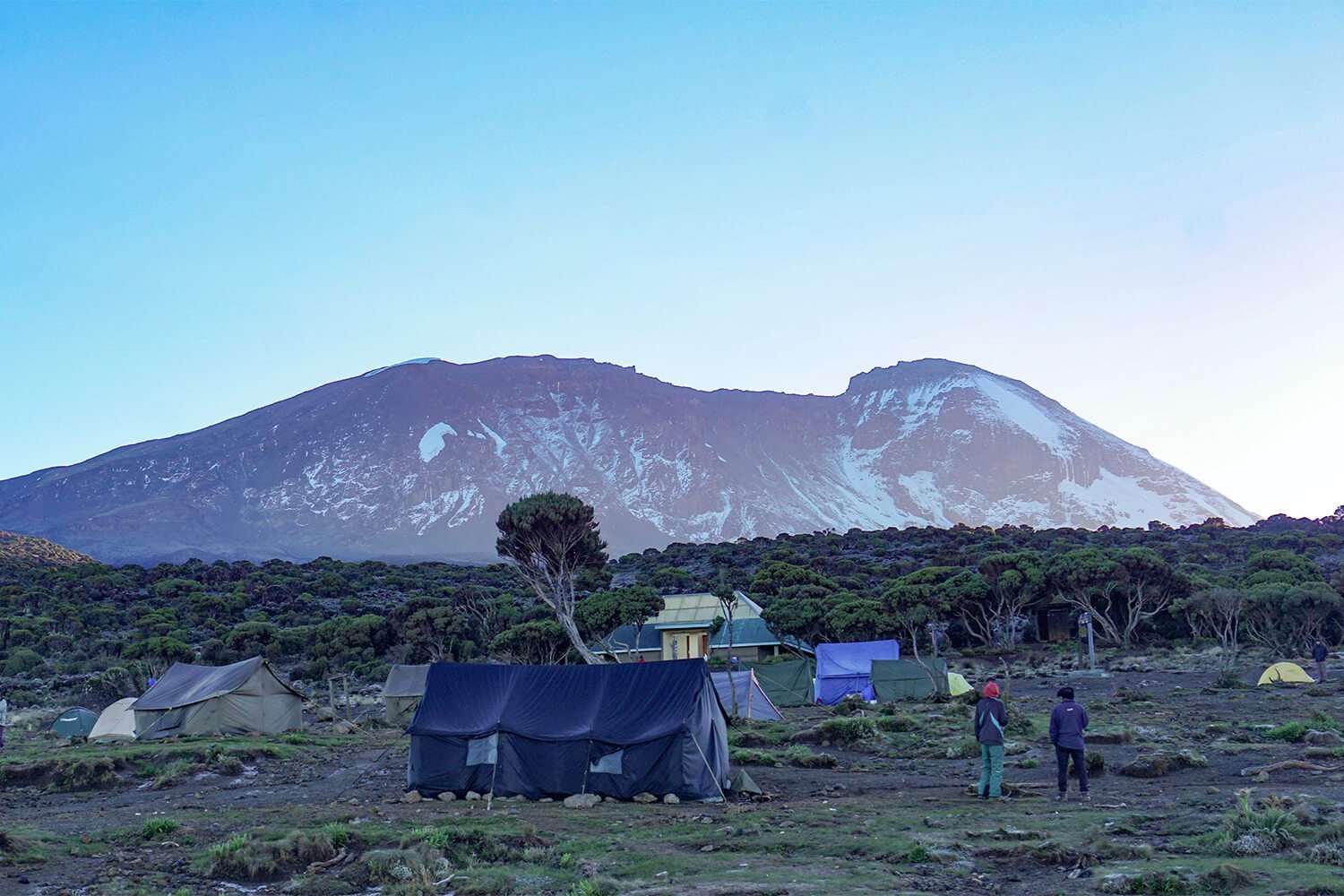
Your packing list should be finalized at least two weeks before departure so you have time to acquire anything missing. The key clothing principle for Kilimanjaro is layering. You will pass through five distinct climate zones from tropical rainforest to arctic summit conditions, and you need clothing that works across that entire range.
Essential items include a moisture-wicking base layer, insulating mid-layers such as fleece or down, a waterproof and windproof outer shell, warm hiking trousers, thermal underwear for summit night, a warm hat, gloves, buff or balaclava, sunglasses with UV protection, a headlamp with spare batteries, a 30-litre daypack, trekking poles, and a sleeping bag rated to minus ten degrees Celsius or lower.
Do not overpack. Porters on Kilimanjaro carry the bulk of your gear, but your daypack should contain everything you need for the day: water, snacks, rain jacket, sunscreen, camera, and any personal medications.
Travel Documents and Insurance
Ensure your passport is valid for at least six months beyond your travel dates. Most nationalities can obtain a Tanzanian visa on arrival at Kilimanjaro International Airport or through the online e-visa system. Check current requirements before travel as regulations can change.
Travel insurance is absolutely essential. Your policy must cover high-altitude trekking up to 6,000 metres and emergency helicopter evacuation. Standard travel insurance policies often exclude altitude-related incidents. Read the fine print carefully and carry a printed copy of your policy details.
Arrival in Tanzania and Pre-Climb Briefing
Plan to arrive in Moshi or Arusha at least one full day before your climb begins. This gives you time to recover from the flight, adjust to the local climate, and attend your pre-climb briefing. During the briefing, your guides will review the route, check your equipment, discuss safety protocols, and answer any last-minute questions. Use this time to raise any concerns about fitness, health, or gear.
Avoid scheduling activities on your arrival day beyond a gentle walk around town and an early night. The climb starts the next morning, and you want to begin well-rested.
Pre-Climb Health Checklist
- Consult your doctor about altitude sickness medication such as Diamox (acetazolamide) if you have concerns
- Ensure all routine vaccinations are up to date — consult a travel health clinic at least six weeks before departure
- Pack any personal medications in your carry-on luggage
- Bring blister treatment supplies including moleskin, tape, and antiseptic
- Consider bringing electrolyte tablets to supplement water intake on the mountain
- Pack high-SPF sunscreen and lip balm — the equatorial sun at altitude is intense
- Bring hand sanitiser and wet wipes for hygiene on the trail
The Day Before Your Climb
Use your final rest day to lay out all your gear, double-check your packing list, and organize your daypack. Charge all electronic devices. Confirm your pick-up time with your tour operator. Eat a good dinner rich in carbohydrates and drink plenty of water. Go to bed early — your pick-up is typically between 7:00 and 8:00 in the morning.
Trust your preparation. You have trained for this. The mountain does not require you to be fast or athletic. It requires you to be steady, patient, and well-prepared.
Frequently Asked Questions
How fit do I need to be to climb Kilimanjaro?
You do not need to be an athlete. A reasonable baseline of fitness — such as the ability to walk for several hours on hilly terrain — is sufficient for most people. The eight-week training plan outlined above will bring most reasonably healthy adults to an adequate fitness level. People of all ages summit Kilimanjaro regularly, including those in their sixties and seventies.
Should I take Diamox for altitude sickness?
Diamox (acetazolamide) is a medication that can help prevent and reduce symptoms of acute mountain sickness. It is widely used on Kilimanjaro and is available over the counter in Tanzania. However, it is a personal decision and should be discussed with your doctor before departure. It does have side effects including increased urination and tingling in the fingers and lips. It is not a substitute for proper acclimatization through route selection and slow ascent.
What is the most important piece of equipment?
Your boots. Nothing will ruin a Kilimanjaro climb faster than a pair of boots that do not fit properly or have not been broken in. Invest in a quality pair of waterproof hiking boots with ankle support and wear them on every training hike for at least eight weeks before your trip.
Can I train for Kilimanjaro in a flat city?
Yes. Stairwells, parking garages, inclined treadmills, and step machines at the gym all provide effective elevation training. The key is consistency and progressive loading, not access to mountains. Combine stair work with long-distance walking and you will be well-prepared.
How much weight will I carry on the mountain?
Your daypack should weigh between six and ten kilograms. This includes water, snacks, rain gear, camera, sunscreen, and personal items. Everything else is carried by porters. Pack light and only carry what you need for the day.
What should I eat before and during the climb?
In the weeks before departure, focus on complex carbohydrates such as rice, pasta, oats, and bread along with lean proteins and vegetables. On the mountain, eat as much as you can at each meal even if your appetite is reduced at altitude. Carbohydrates are easier to digest at altitude than fats or proteins and provide the energy your body needs.
How many days before the climb should I arrive in Tanzania?
Arrive at least one full day before your climb begins. This allows you to recover from the flight, attend your pre-climb briefing, organize any last-minute gear, and start the trek well-rested. Two days is even better if your schedule allows it.
Is there a recommended reading list before climbing?
Reading trip reports and blogs from previous climbers is one of the best ways to mentally prepare. Look for accounts that describe the full experience including the difficult days, not just summit photos. Understanding what challenges to expect — cold nights, slow pacing, occasional nausea — helps you recognize normal experiences on the mountain rather than panicking when they occur.