
We Know Tanzania Because Tanzania Is Home
We Know Tanzania Because Tanzania Is Home
The world's largest intact volcanic caldera — a natural amphitheatre teeming with 25,000 animals, including the densest lion population in Africa.
The Ngorongoro Crater is a UNESCO World Heritage Site and one of Africa's most extraordinary natural formations. This massive volcanic caldera — formed approximately two to three million years ago when a giant volcano erupted and collapsed on itself — spans nearly 20 kilometres in diameter and plunges 600 metres from the rim to the crater floor. It is the largest intact, unflooded caldera in the world.
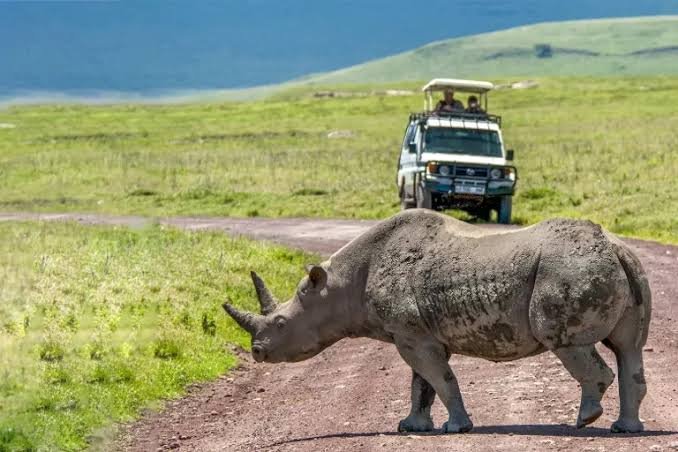
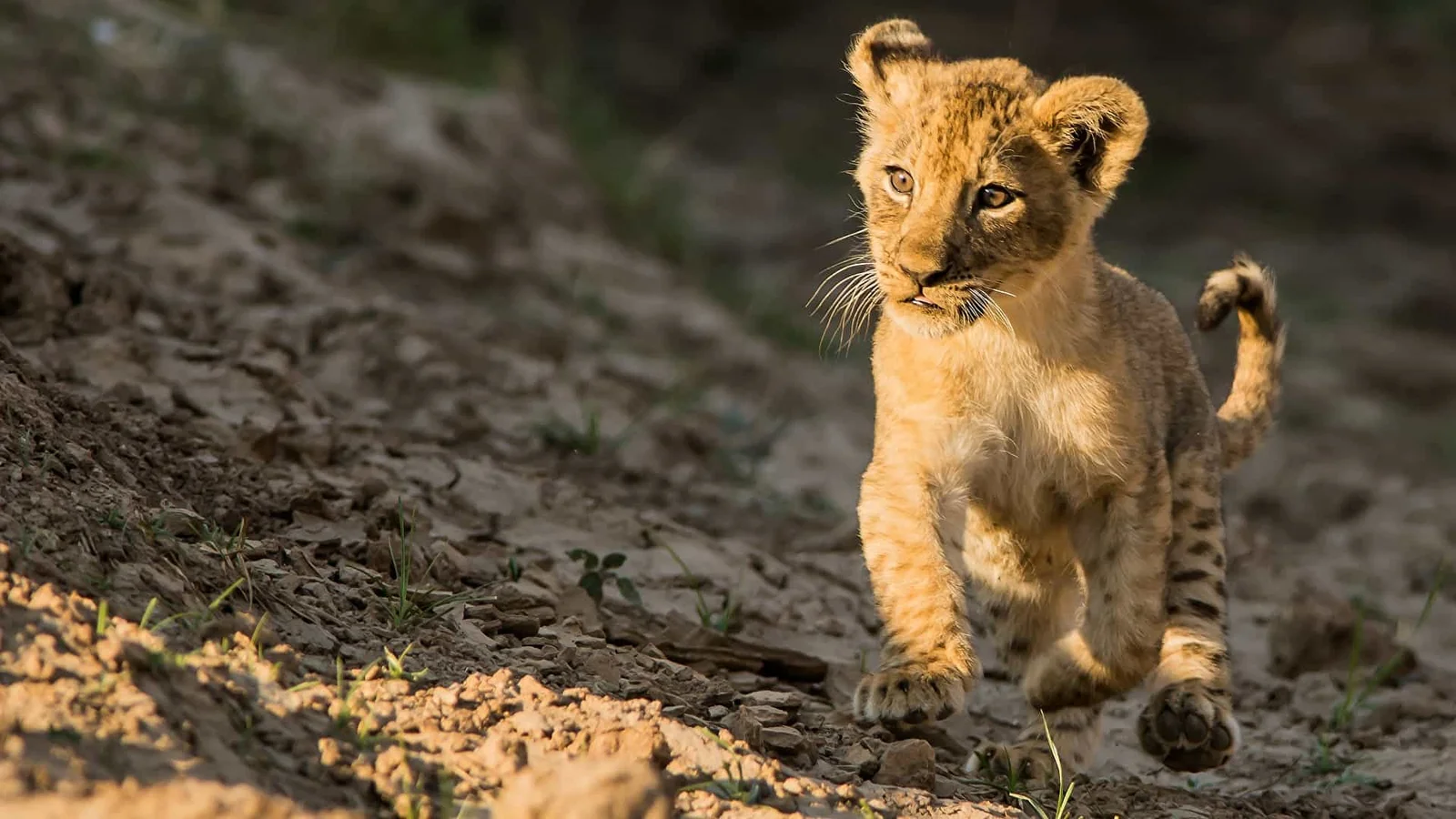
What makes Ngorongoro truly remarkable is its enclosed ecosystem. Unlike open savannas where animals roam freely, the crater's walls create a natural enclosure that concentrates an extraordinary density of wildlife in a relatively small area. Approximately 25,000 large mammals live permanently within the crater, including the densest population of lions in Africa, one of the last remaining populations of critically endangered black rhino, and large herds of elephant, buffalo, wildebeest, and zebra.
The crater floor encompasses a remarkable diversity of habitats within its compact boundaries — open grassland, acacia woodland, freshwater lakes, soda lakes, swamps, and riverine forest. Each habitat supports different species, creating a microcosm of East African wildlife that can be explored in a single day.
Lake Magadi, a shallow alkaline lake at the centre of the crater, is often lined with thousands of flamingos, creating a stunning pink ribbon against the water. Hippo pools, soda springs, and marshlands add further diversity. The crater's resident Maasai pastoralists graze their cattle alongside the wildlife, creating a unique coexistence that has continued for centuries.
The journey into the crater is an experience in itself. From the rim, you descend a steep track that drops 600 metres through dense montane forest into the open grasslands below. Along the way, you pass through cloud forest draped with moss and lichen, home to bushbuck, forest birds, and the occasional elephant. As you emerge from the forest onto the crater floor, the vast amphitheatre opens before you — a breathtaking panorama of grassland, water, and wildlife stretching to the crater walls on every horizon.
Ngorongoro Crater is a year-round destination. The dry season (June–October) concentrates animals around water sources and offers excellent visibility. The calving season (January–March) brings thousands of wildebeest and zebra to the crater floor, attracting predators and creating dramatic wildlife encounters. The crater can be visited as a day trip or as part of a longer northern Tanzania safari itinerary.
A World Heritage Site and one of Africa's most concentrated wildlife arenas.
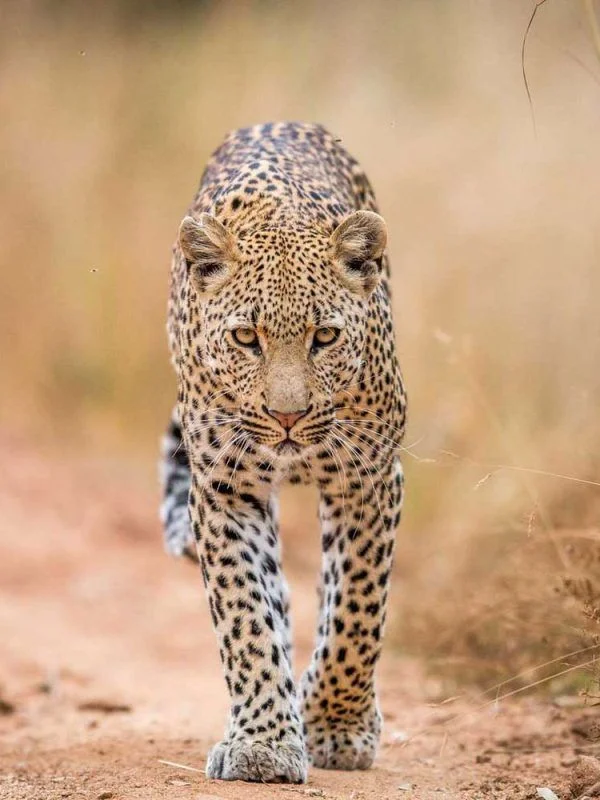
Lion, leopard, elephant, buffalo, and black rhino — all within the crater walls.
The entire crater can be explored in a single day — perfect for any itinerary.
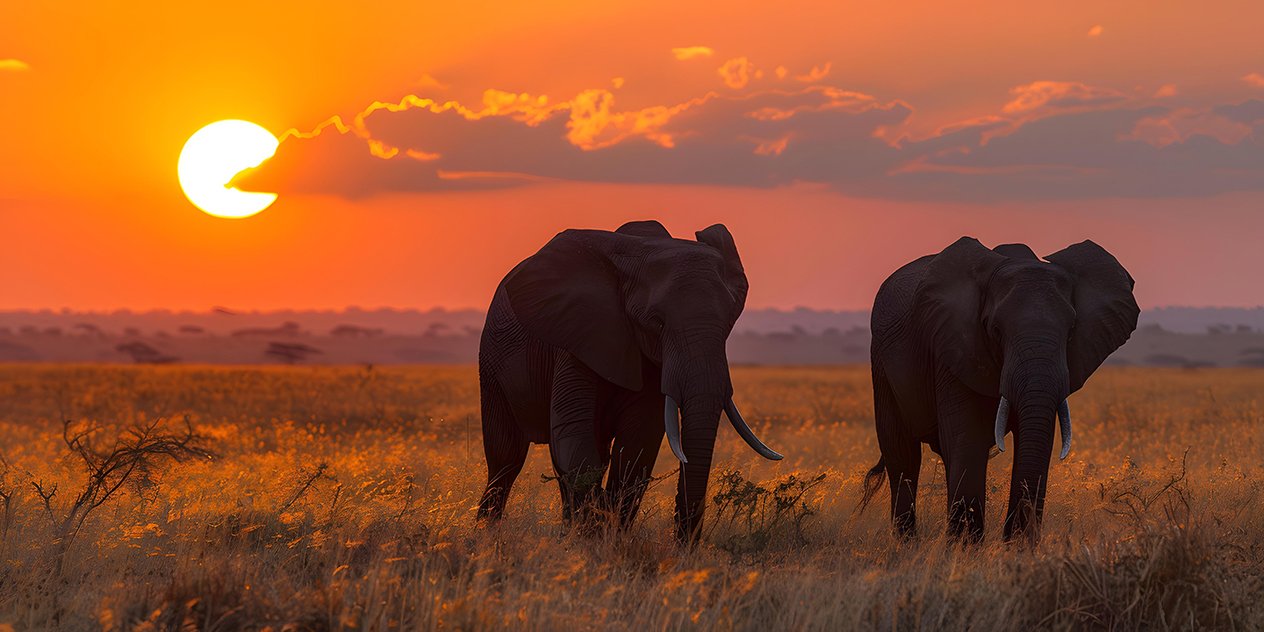
Explore the world-famous Ngorongoro Crater, home to the densest wildlife population in Africa.
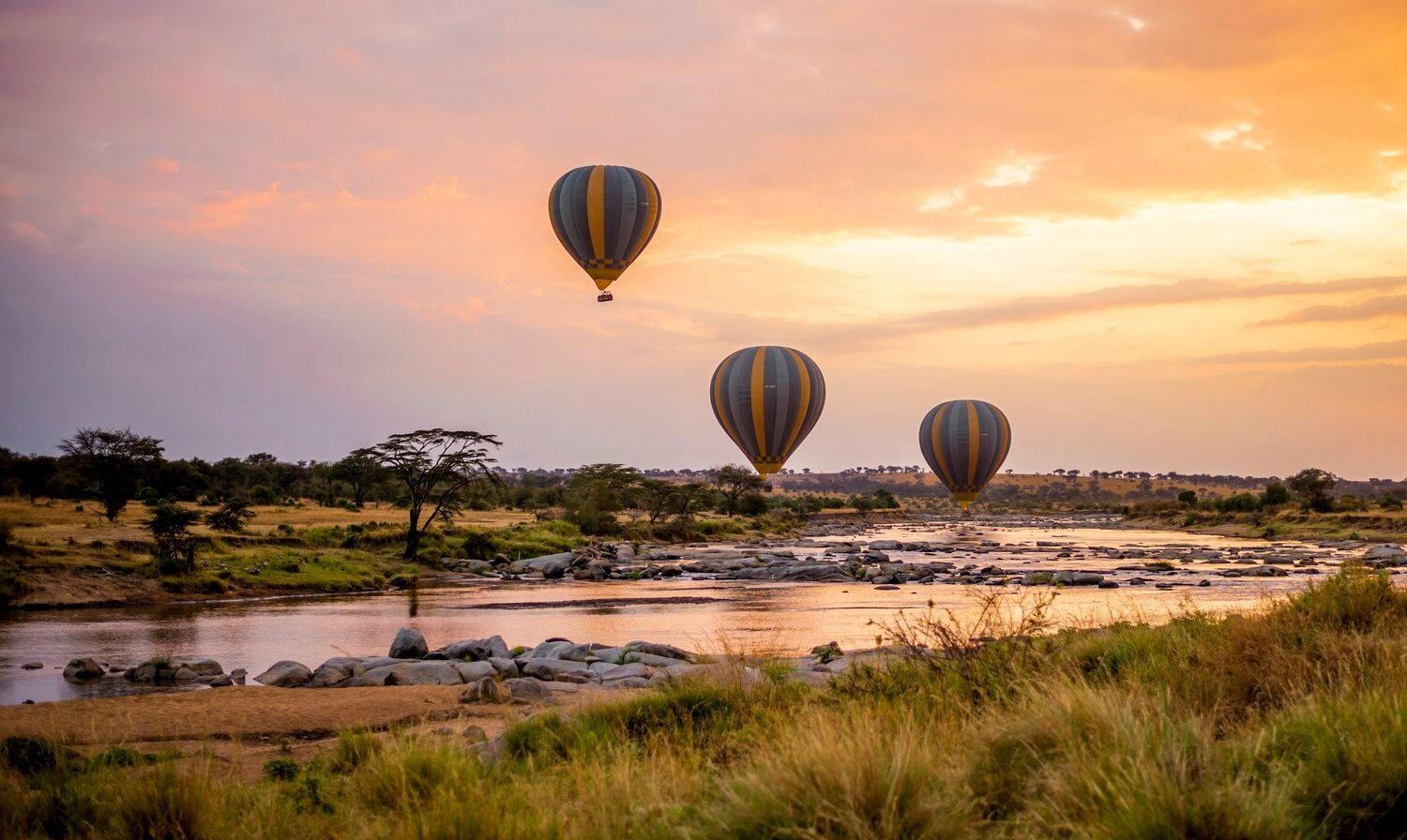
Combine the Serengeti plains with the Ngorongoro Crater for an unforgettable safari experience.
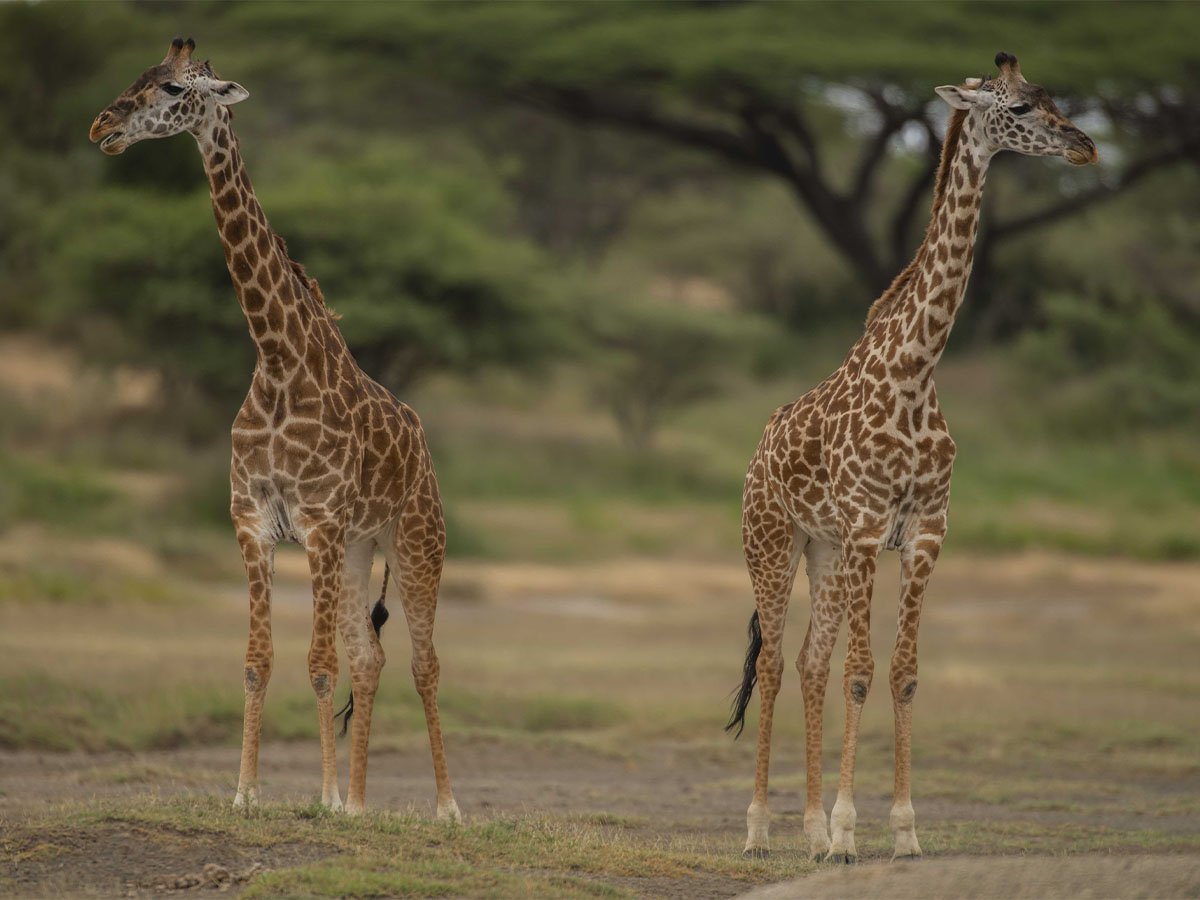
Visit three iconic Northern Tanzania parks in 3 days.
Four national parks in one safari.
Extended safari with two full Serengeti days.
Safari combining wildlife with cultural experiences.
Let us plan your Ngorongoro adventure — day trips, multi-day safaris, or combined itineraries with Serengeti and Tarangire.