
We Know Tanzania Because Tanzania Is Home
We Know Tanzania Because Tanzania Is Home
Tanzania's elephant capital — where massive herds converge on the Tarangire River beneath ancient baobab trees and endless African skies.
Tarangire National Park is Tanzania's sixth-largest national park, yet it remains one of the country's most underrated and least crowded safari destinations. Located southeast of Lake Manyara in the Manyara Region, the park covers 2,850 square kilometres of diverse habitats — from seasonal swamps and acacia woodland to open grassland and riverine forest along the Tarangire River.
The park's relative obscurity compared to the Serengeti and Ngorongoro is part of its charm. While other parks can feel busy during peak season, Tarangire offers a sense of wilderness and solitude that is increasingly rare in East Africa. This is a place where you can watch elephants at close range without another vehicle in sight, where the silence is broken only by birdcall and the rustle of wind through baobab branches.
Tarangire is most famous for its extraordinary elephant populations. During the dry season (June–October), herds of up to 300 elephants converge on the Tarangire River — the only permanent water source in the area — creating one of East Africa's most spectacular wildlife gatherings. This concentration of elephants is the largest in the world, and watching these magnificent creatures gather along the riverbanks is a sight that redefines the meaning of "wild Africa."
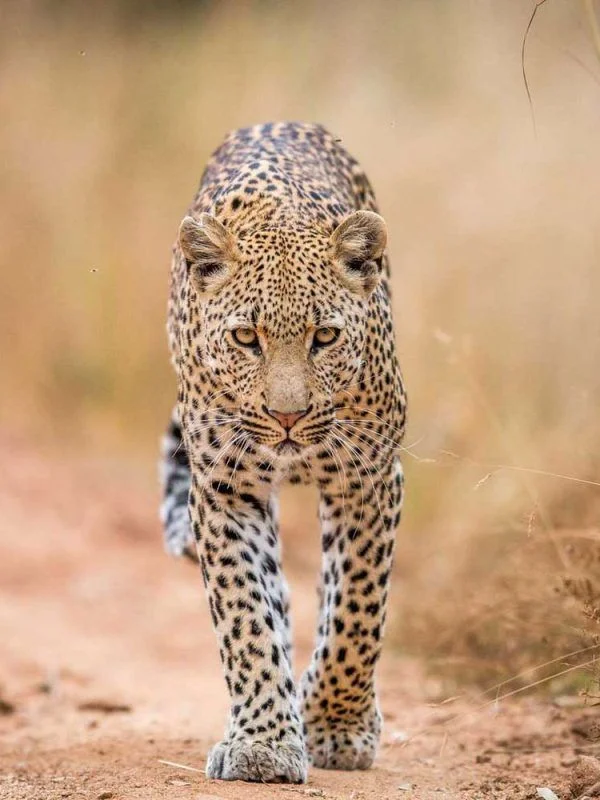
Beyond the elephants, Tarangire supports large populations of wildebeest, zebra, buffalo, and giraffe. The park is also home to fringe-eared oryx, gerenuk, and the rare python. Lion prides patrol the grasslands, and leopards are occasionally spotted in the riverine forests along the Tarangire River.
The park's landscape is dominated by ancient baobab trees — massive, twisted trunks that can live for over a thousand years. These iconic trees provide shelter for lions, leopards, and hyenas, and their fruit feeds elephants, baboons, and countless bird species. The combination of baobabs, golden grasslands, and the winding Tarangire River creates some of the most photogenic landscapes in East Africa.
The dry season (June–October) is the best time to visit Tarangire, as this is when the elephant herds are largest and wildlife concentrates around the river. The wet season (November–May) brings lush green landscapes, migratory birds, and fewer visitors — but the wildlife disperses as water becomes more widely available. Tarangire is often combined with Lake Manyara and Ngorongoro in a northern Tanzania safari circuit.
Up to 300 elephants converge on the Tarangire River — the world's largest elephant gathering.
Trees that have stood for over a thousand years, creating iconic African landscapes.
Over 550 bird species recorded, including endemic species found nowhere else.
A perfect day trip to Tarangire National Park, famous for its large elephant herds and baobab trees.
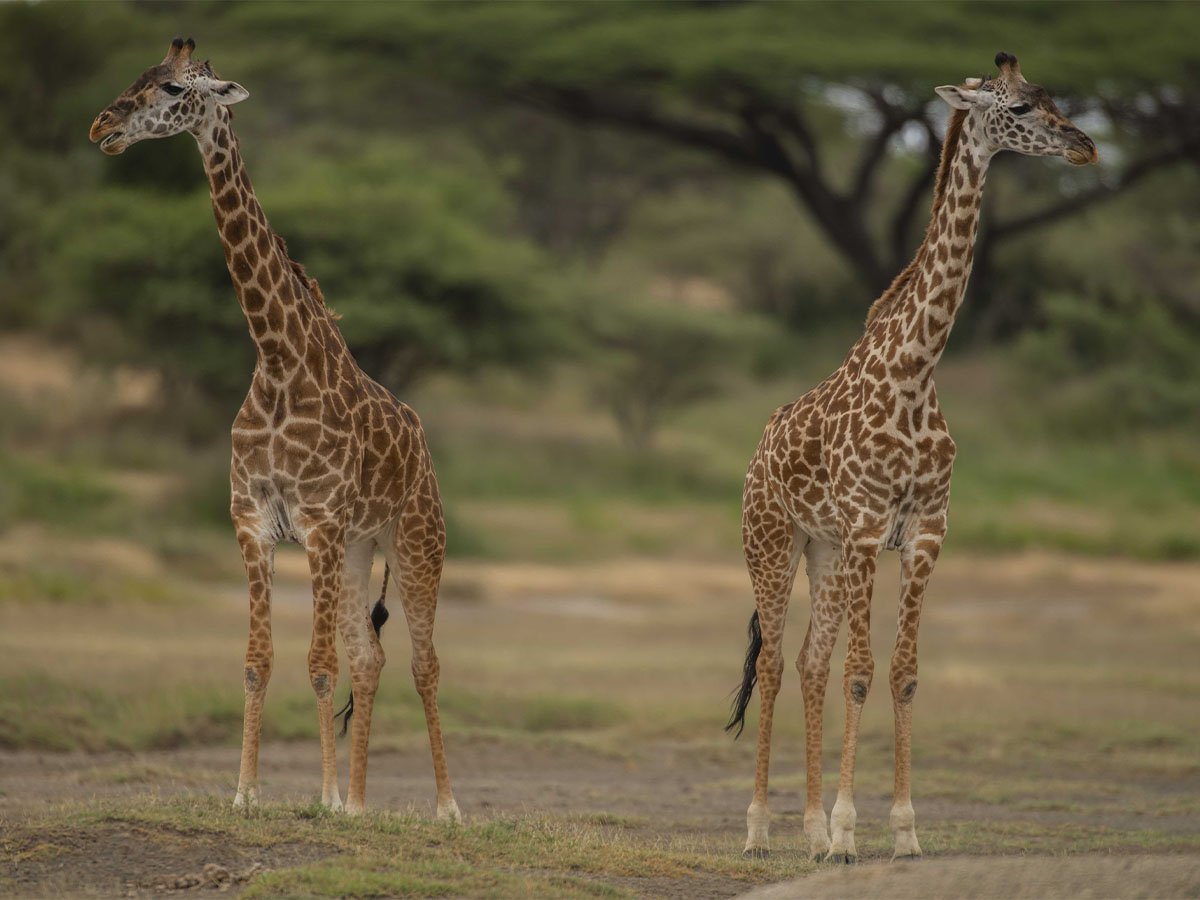
Visit three iconic Northern Tanzania parks in 3 days.
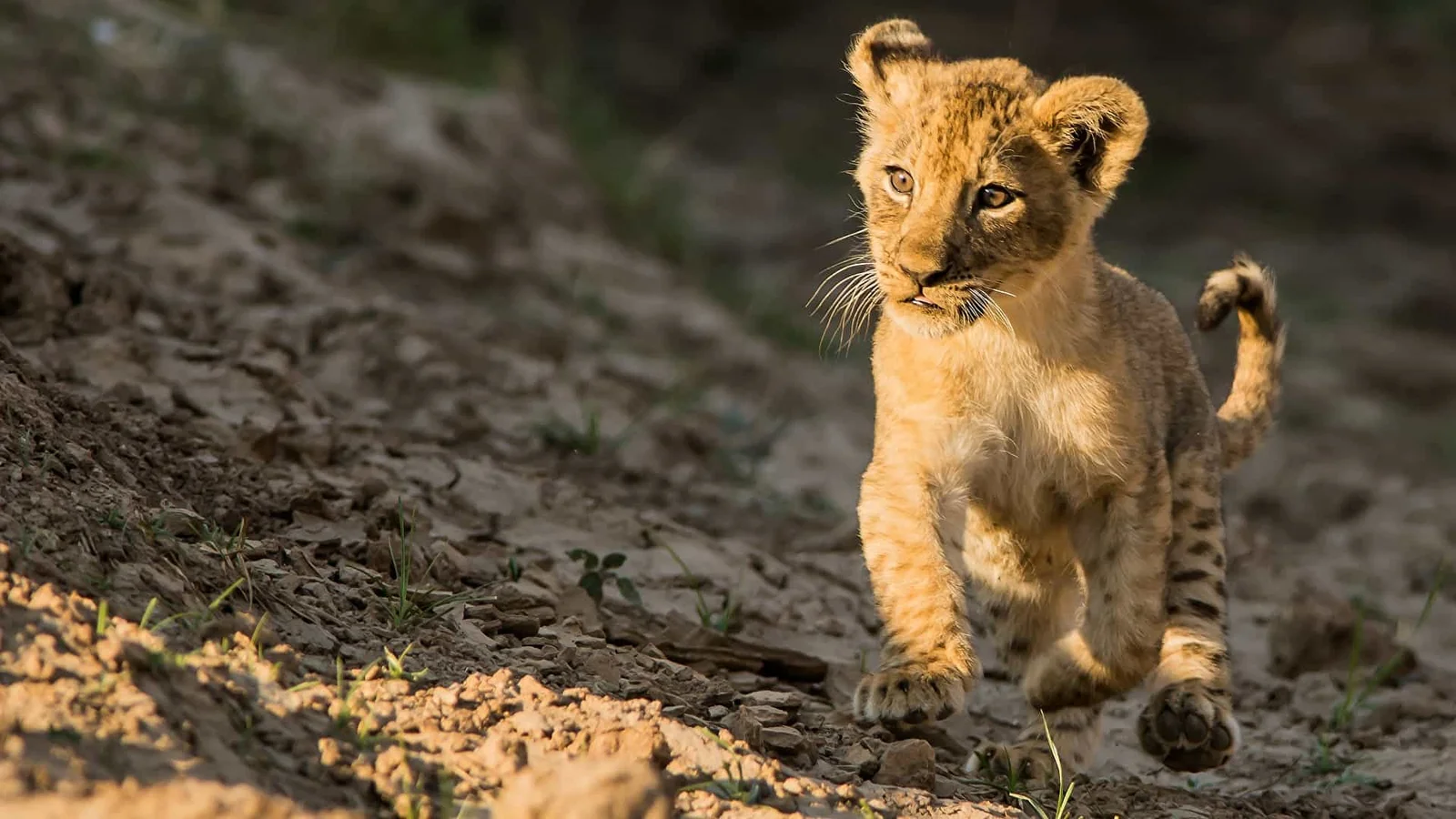
Four national parks in one safari.
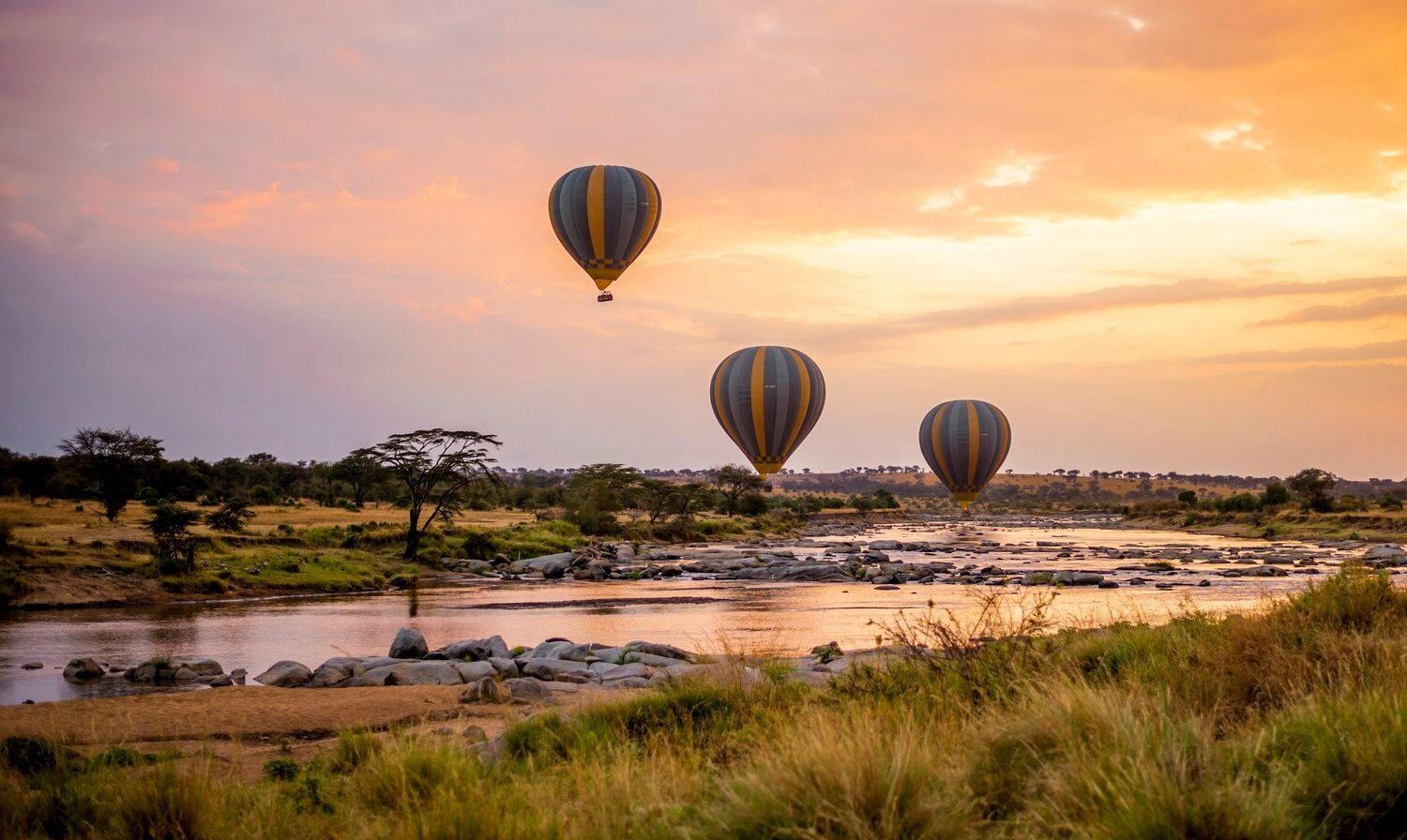
Extended safari with two full Serengeti days.
Safari combining wildlife with cultural experiences.
Let us plan your Tarangire adventure — day trips, combined circuits with Manyara and Ngorongoro, or extended elephant-watching expeditions.