
We Know Tanzania Because Tanzania Is Home
We Know Tanzania Because Tanzania Is Home
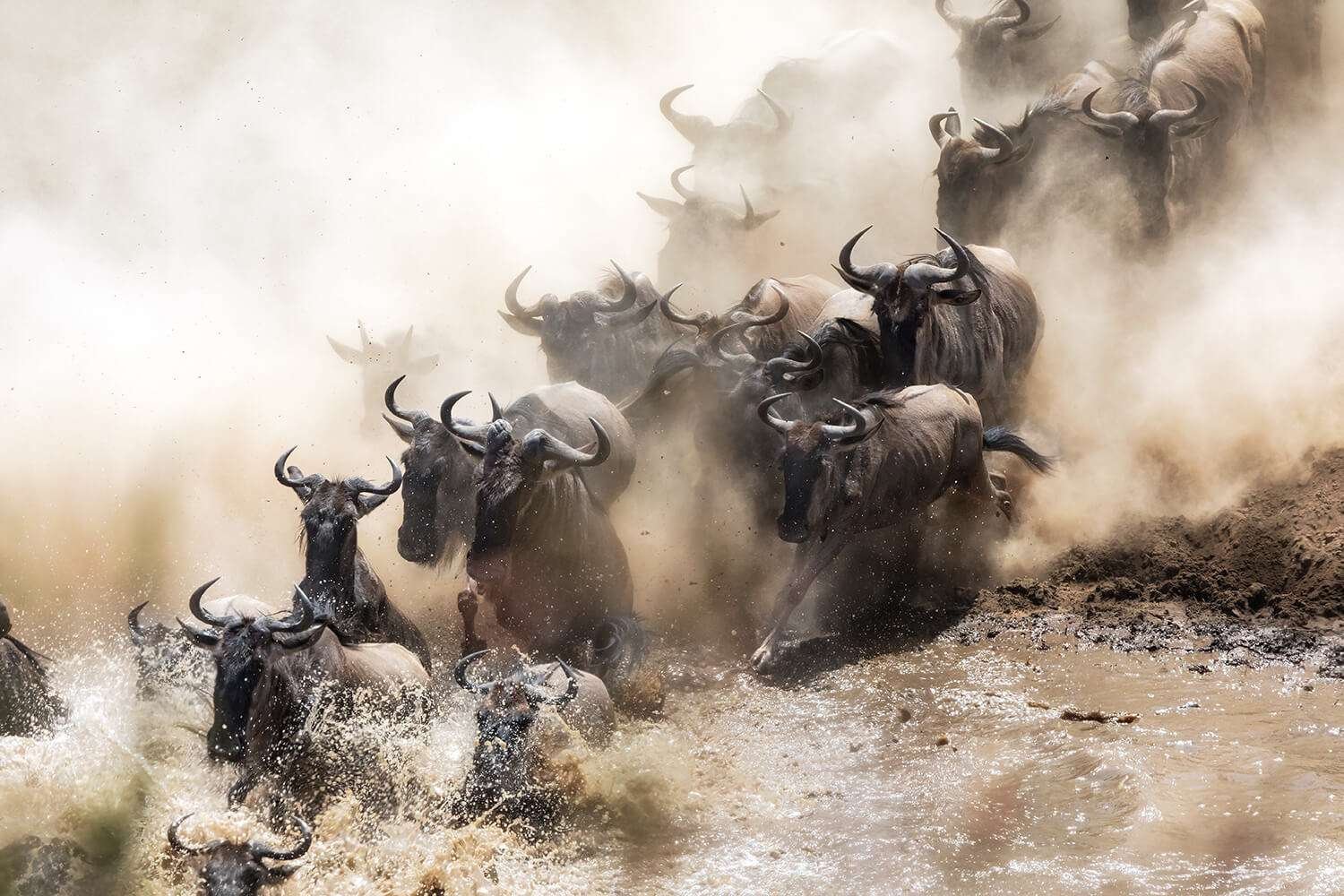
Endless plains, the Great Migration, and Africa's greatest wildlife spectacle — the Serengeti is where nature's drama unfolds on an epic scale.
The Serengeti is one of the oldest and most scientifically significant ecosystems on Earth. Its vast grasslands stretch to the horizon in every direction, punctuated by rocky outcrops known as kopjes and scattered acacia trees that define the classic African savanna landscape. This is the Africa of postcards and documentaries — but no screen can capture the scale, the sounds, or the emotion of being here.
The name "Serengeti" comes from the Maasai word "Siringet," meaning "the place where the land runs on forever." It is a fitting description for a park that encompasses 14,750 square kilometres of open plains, riverine forests, woodland, and kopjes — each habitat supporting different wildlife and offering unique encounters.
The Serengeti is most famous for the Great Migration — the largest terrestrial mammal migration on Earth. Every year, over 1.5 million wildebeest, joined by hundreds of thousands of zebras and gazelles, cycle through the Serengeti ecosystem following the rains and fresh grass. This circular journey covers approximately 800 kilometres and is one of nature's most spectacular events.
The migration is not a single event but a continuous cycle. Calving season in the southern Serengeti (January–March) sees hundreds of thousands of wildebeest born daily. By May, the herds move west and north, crossing the Grumeti River where crocodiles lie in wait. By July, they reach the northern Serengeti and the Mara River, where dramatic river crossings see thousands of animals plunge through crocodile-infested waters. The cycle continues as the herds return south with the short rains in November.
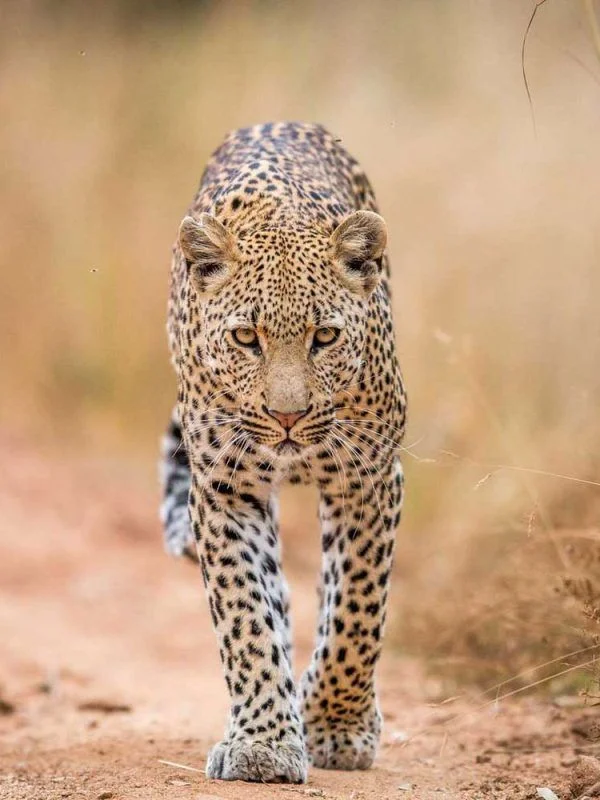
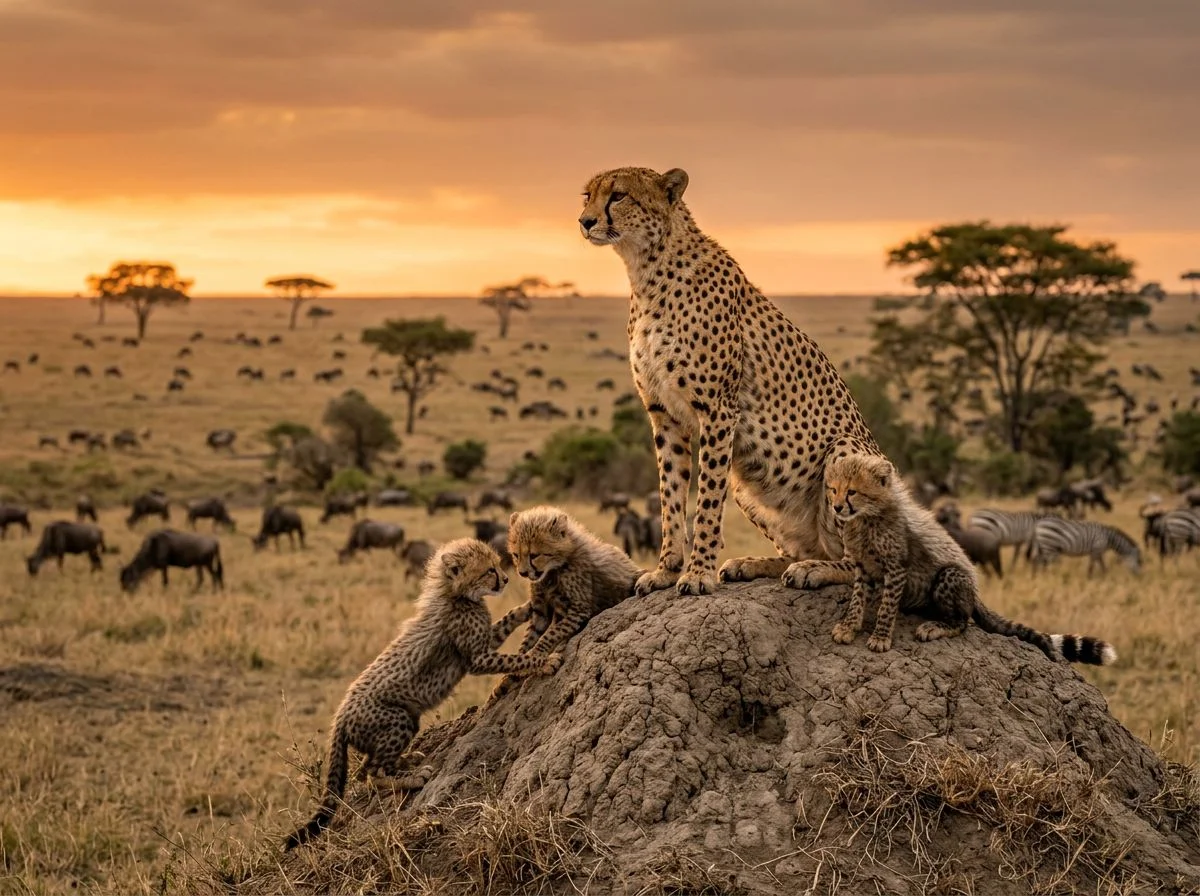
The Serengeti supports one of the largest and most diverse predator populations in Africa. Lion prides patrol the plains, leopards rest in sausage trees along the Seronera River, and cheetahs sprint across the open grasslands in pursuit of gazelles. Spotted hyenas, wild dogs, and Nile crocodiles complete the predator picture.
The interaction between predators and the migrating herds creates some of the most dramatic wildlife spectacles on the planet — a raw, unscripted drama that plays out daily across the plains. Witnessing a lion hunt, a cheetah chase, or a river crossing is an experience that stays with you forever.
The Serengeti is a year-round destination, but each season offers different experiences. The dry season (June–October) concentrates wildlife around water sources and offers the best chances of witnessing river crossings. The wet season (November–May) brings lush green landscapes, calving season, and excellent birdwatching with migratory species from Europe and Asia.
Witness 1.5 million wildebeest crossing rivers and plains in nature's greatest spectacle.
Lion, leopard, elephant, buffalo, and rhino all call the Serengeti home.
Our guides know every kopje, every river crossing point, and every predator territory.
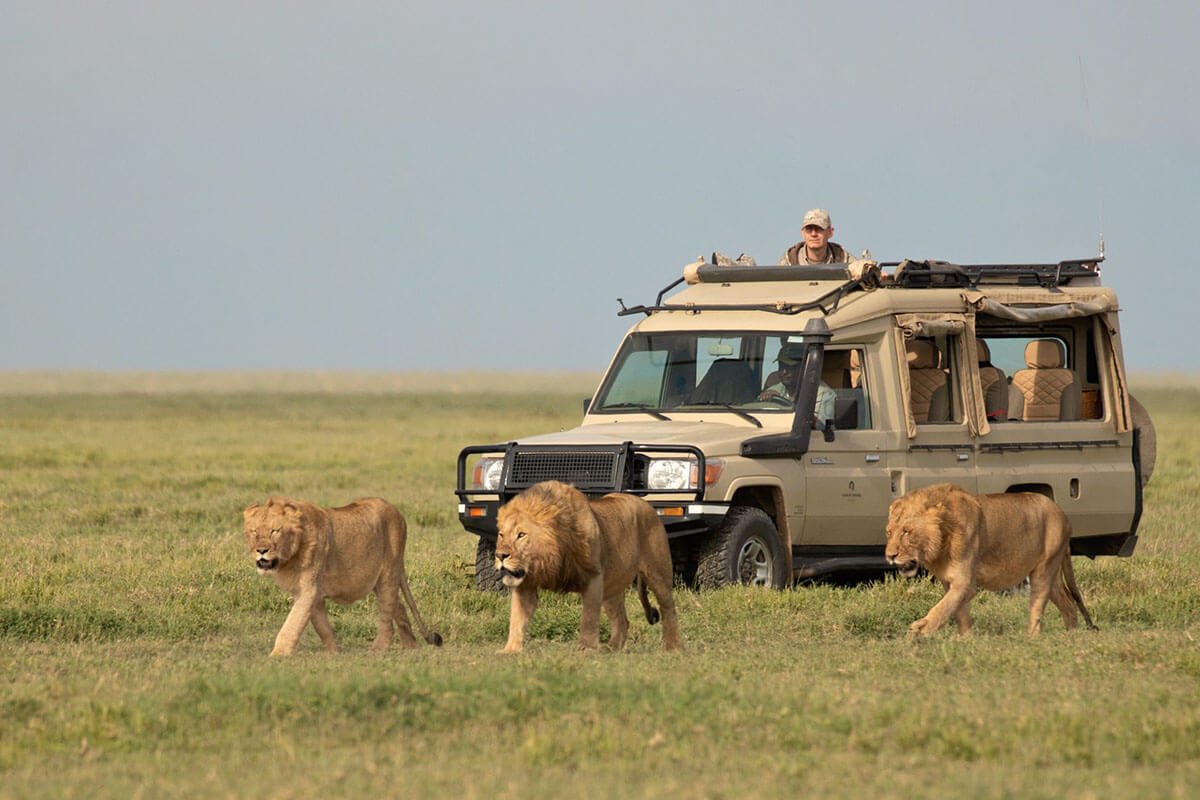
Experience the vast Serengeti plains and witness the Great Migration.
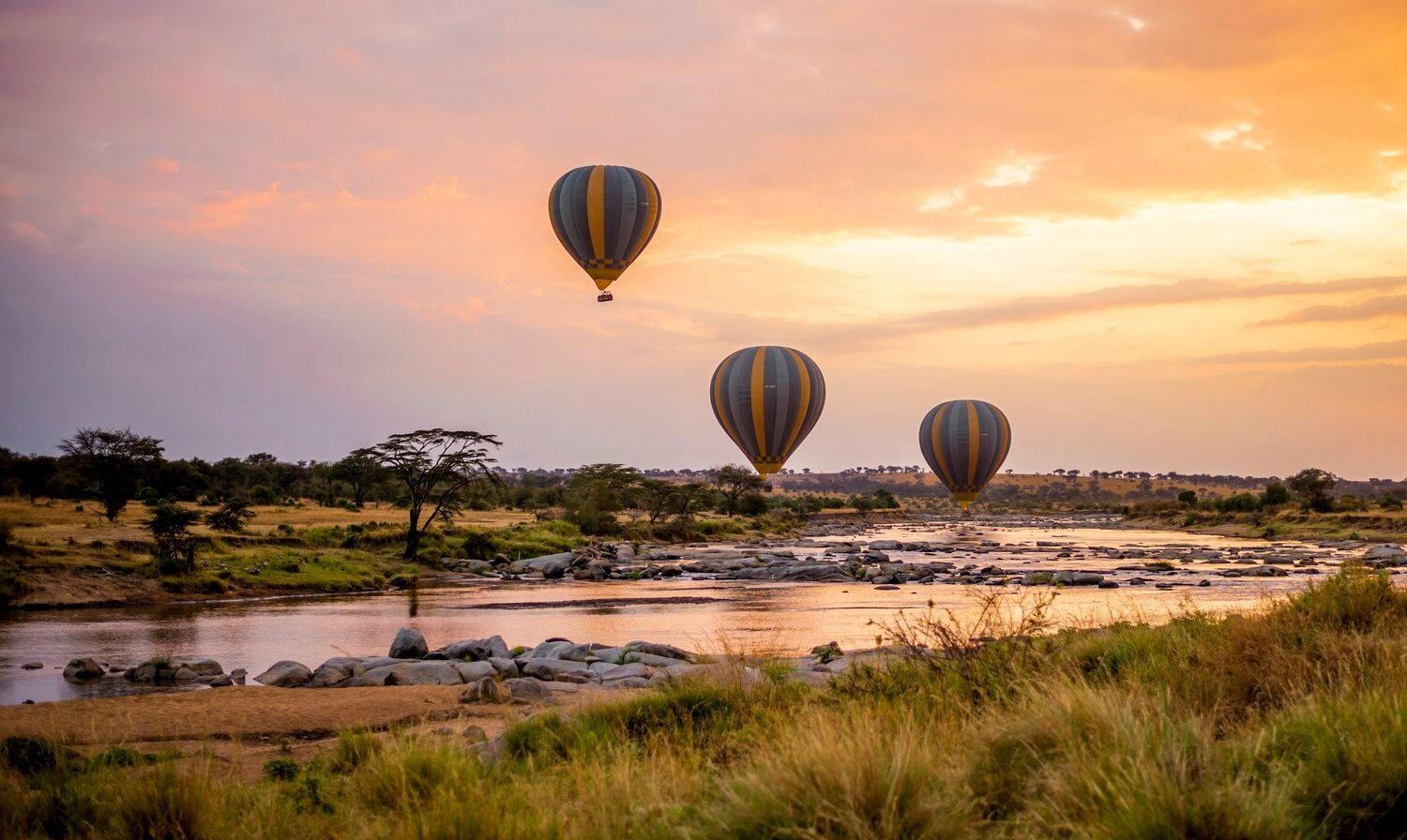
Combine the Serengeti plains with the Ngorongoro Crater for an unforgettable safari experience.
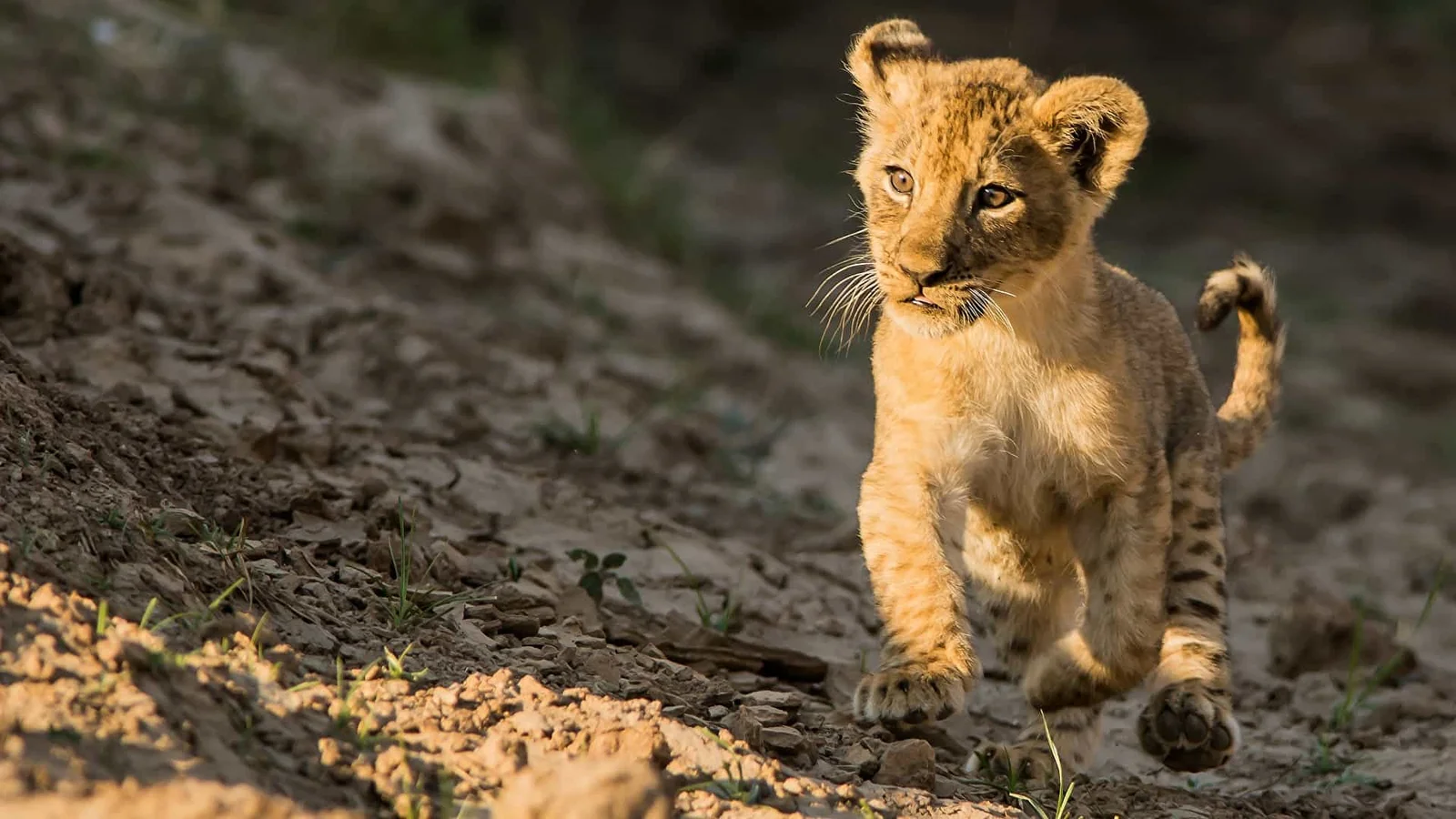
Four national parks in one safari.
Extended safari with two full Serengeti days.
Safari combining wildlife with cultural experiences.
Five days exploring Serengeti and Ngorongoro.
Let us craft your perfect Serengeti safari — from short escapes to extended expeditions following the Great Migration.